
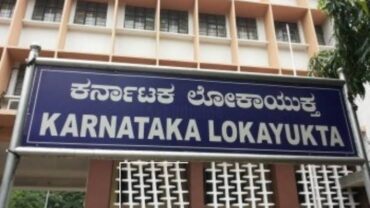
Supreme Court Clarifies RTI Exemptions: Lokayukta Special Police Not Shielded
Transparency Wins Over Secrecy in Landmark Ruling
RTI Act Cannot Be Diluted by Misclassification
By Legal Reporter
New Delhi: June 16, 2026:
The Supreme Court of India has delivered a significant judgment clarifying the scope of exemptions under the Right to Information Act, 2005 (RTI Act). The Court ruled that the Lokayukta Special Police Establishment (LSPE), functioning under the Karnataka Lokayukta, is not an intelligence or security organisation and therefore cannot claim blanket exemption from the RTI Act. This decision strengthens transparency in anti-corruption institutions and prevents misuse of exemption clauses.
Case Background
Petitioner: An RTI applicant sought information from the Lokayukta Special Police.
Lokayukta’s Claim: Denied disclosure, arguing LSPE was akin to an intelligence/security organisation exempt under Section 24(4) of the RTI Act.
High Court Decision: Karnataka High Court upheld exemption.
Supreme Court Appeal: The apex court overturned the High Court, ruling LSPE is investigative, not intelligence.
Key Legal Issues
Scope of Section 24 RTI Act
Section 24 exempts intelligence and security organisations from RTI.
Court clarified LSPE does not fall under this category.
Nature of LSPE Functions
LSPE investigates corruption cases under the Prevention of Corruption Act, 1988.
Its role is investigative, not intelligence-gathering.
Transparency vs. Secrecy
Court emphasised that anti-corruption bodies must remain transparent.
Blanket secrecy undermines accountability.
Court’s Observations
Investigative vs. Intelligence: Intelligence agencies deal with national security; LSPE deals with corruption investigations.
Public Interest: Transparency in corruption probes outweighs secrecy claims.
Exemption Misuse: Misclassification of LSPE as intelligence was an attempt to evade RTI obligations.
Relevant Laws Discussed
Right to Information Act, 2005
Section 24(4): Exemption for intelligence/security organisations.
Section 8: Specific exemptions for sensitive information.
Prevention of Corruption Act, 1988
Governs LSPE’s investigative powers.
Lokayukta Act (Karnataka)
Establishes Lokayukta and its Special Police.
Comparative Perspective
India: RTI exemptions limited to national security agencies.
UK: Freedom of Information Act exempts MI5/MI6 but not anti-corruption bodies.
US: FOIA exempts CIA/NSA but investigative agencies like FBI remain subject to disclosure with limits.
Inference: India’s ruling aligns with global practice—anti-corruption bodies must remain transparent.
Implications
For Citizens: Greater access to information on corruption investigations.
For Lokayukta: Cannot hide behind intelligence exemption; must process RTI requests.
For Governance: Strengthens accountability and public trust in anti-corruption institutions.
For Policy: Reinforces narrow interpretation of RTI exemptions.
Conclusion
The Supreme Court’s ruling is a milestone in India’s transparency jurisprudence. By holding that LSPE is not an intelligence or security organisation, the Court has ensured that anti-corruption bodies remain accountable to the public. This decision prevents misuse of RTI exemptions and strengthens democratic oversight.
FAQs
1. What was the Supreme Court ruling about?
The Court held that the Lokayukta Special Police Establishment is not exempt from RTI Act as it is not an intelligence or security organisation.
2. Which section of the RTI Act was discussed?
Section 24(4), which exempts intelligence and security organisations from RTI.
3. Why did Lokayukta claim exemption?
It argued LSPE was akin to an intelligence organisation, but the Court rejected this claim.
4. What is the role of LSPE?
LSPE investigates corruption cases under the Prevention of Corruption Act, 1988.
5. How does this ruling affect citizens?
Citizens can now seek information from LSPE under RTI, enhancing transparency.
6. Does RTI exempt all police organisations?
No. Only intelligence/security agencies notified under Section 24 are exempt.
7. What is the difference between intelligence and investigative agencies?
Intelligence agencies focus on national security; investigative agencies probe crimes like corruption.
8. Can sensitive information still be withheld?
Yes. Section 8 of RTI allows withholding information if disclosure harms investigations or privacy.
9. What precedent does this case set?
It clarifies that anti-corruption bodies cannot misuse RTI exemptions meant for national security agencies.
10. How does this align with global practice?
Similar to UK and US, where anti-corruption and investigative agencies remain subject to transparency laws.