
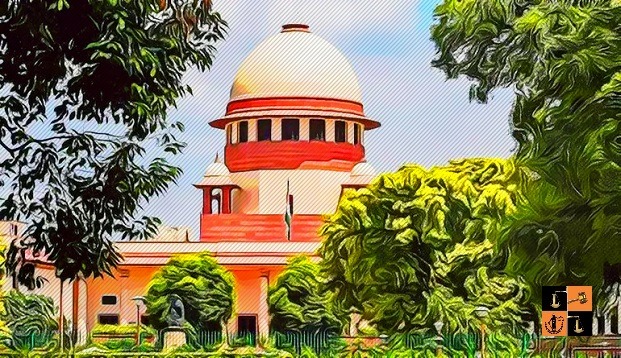
Supreme Court Slams Andhra Pradesh HC for Quashing Corruption FIRs: Calls It a Travesty of Justice
Apex Court Revives 13 ACB Cases, Orders Probe Within Six Months
Ruling Strengthens Anti-Corruption Drive, Limits Judicial Overreach
By Our Legal Reporter
New Delhi: January 09, 2026:
The Supreme Court bench of Justices M.M. Sundresh and Satish Chandra Sharma slammed Andhra Pradesh High Court for quashing FIRs on jurisdictional grounds “nipped investigations in the bud” and allowed criminal proceedings to be terminated prematurely. The apex court described the High Court’s approach as “hyper-technical” and said it undermined the fight against corruption.
Background of the Case
- The Andhra Pradesh High Court had earlier quashed 13 FIRs filed by the Anti-Corruption Bureau (ACB) under the Prevention of Corruption Act, 1988, citing lack of jurisdiction of the police station.
- These FIRs involved allegations against public servants and government officials.
- The High Court’s ruling effectively terminated ongoing investigations, raising concerns about accountability.
- The Supreme Court bench of Justices M.M. Sundresh and Satish Chandra Sharma heard appeals filed by the ACB and other authorities against the High Court’s decision.
Supreme Court’s Observations
- The apex court described the High Court’s approach as “hyper-technical” and said it undermined the fight against corruption.
- The bench noted that quashing FIRs on jurisdictional grounds “nipped investigations in the bud” and allowed criminal proceedings to be terminated prematurely.
- The Court emphasized that corruption cases must be investigated thoroughly, and technicalities should not obstruct justice.
- It declared: “We make it clear that the High Court of Andhra Pradesh shall entertain no more challenge to the FIRs.”
Directions Issued by the Supreme Court
Also Read: Tripura High Court Rules ITC Cannot Be Denied to Bona Fide Purchasers Despite Supplier Default
- Revival of FIRs: All 13 corruption FIRs stand reinstated.
- Investigation Timeline: The ACB must file final reports within six months.
- No Coercive Action: The Court directed that accused public servants should not face arrest or coercive steps during investigation.
- Judicial Restraint: The Andhra Pradesh High Court was barred from entertaining further challenges to these FIRs.
Impact on Anti-Corruption Efforts
- Strengthening Accountability: The ruling ensures that corruption allegations against public servants are properly investigated.
- Message to Judiciary: The Supreme Court cautioned against excessive reliance on technicalities that derail justice.
- Public Confidence: Reviving FIRs reassures citizens that corruption cases will not be dismissed lightly.
- Administrative Discipline: Government officials are reminded that misconduct will face scrutiny, regardless of procedural loopholes.
Expert Opinions
- Legal Analysts: Say the judgment reinforces the principle that substance must prevail over form in corruption cases.
- Anti-Corruption Activists: Welcome the ruling as a boost to transparency and accountability in governance.
- Critics of HC Ruling: Argue that the High Court’s earlier decision risked setting a dangerous precedent by allowing corruption cases to collapse on technical grounds.
Also Read: GST on Wages Paid to Outsourced Staff During COVID-19 Lockdown: Kerala AAR Ruling Explained
Broader Context
- India has long struggled with corruption in public offices.
- The Prevention of Corruption Act, 1988 is a key legal tool to prosecute officials accused of bribery, embezzlement, and misuse of office.
- The Supreme Court’s ruling aligns with its consistent stance that corruption is a serious threat to governance and democracy.
- Similar rulings in past cases have emphasized that courts must not obstruct investigations unless clear evidence of abuse of process exists.
Conclusion
The Supreme Court’s decision to set aside the Andhra Pradesh High Court’s order is a landmark in India’s fight against corruption. By reviving FIRs and directing timely investigations, the apex court has reinforced the principle that justice cannot be sacrificed at the altar of technicalities.
Also Read: Andhra Pradesh High Court: ITC Reversal Invalid After GST Registration Restoration
This ruling strengthens anti-corruption institutions, restores public faith in accountability, and ensures that judicial oversight does not inadvertently shield wrongdoers.
Suggested Keywords for SEO & Faster Searches
- Supreme Court Andhra Pradesh corruption FIRs
- Travesty of justice Supreme Court ruling
- ACB corruption cases revived Supreme Court
- Andhra Pradesh High Court corruption FIR quash
- Supreme Court corruption investigation India 2026
- Prevention of Corruption Act Supreme Court ruling
- Supreme Court bars HC interference corruption FIRs
- Anti-Corruption Bureau FIRs Andhra Pradesh
- Supreme Court corruption accountability India
- Landmark corruption judgment Supreme Court 2026
Also Read: ITAT Rules Offshore Supply of Equipment and Designs Not Taxable in India