
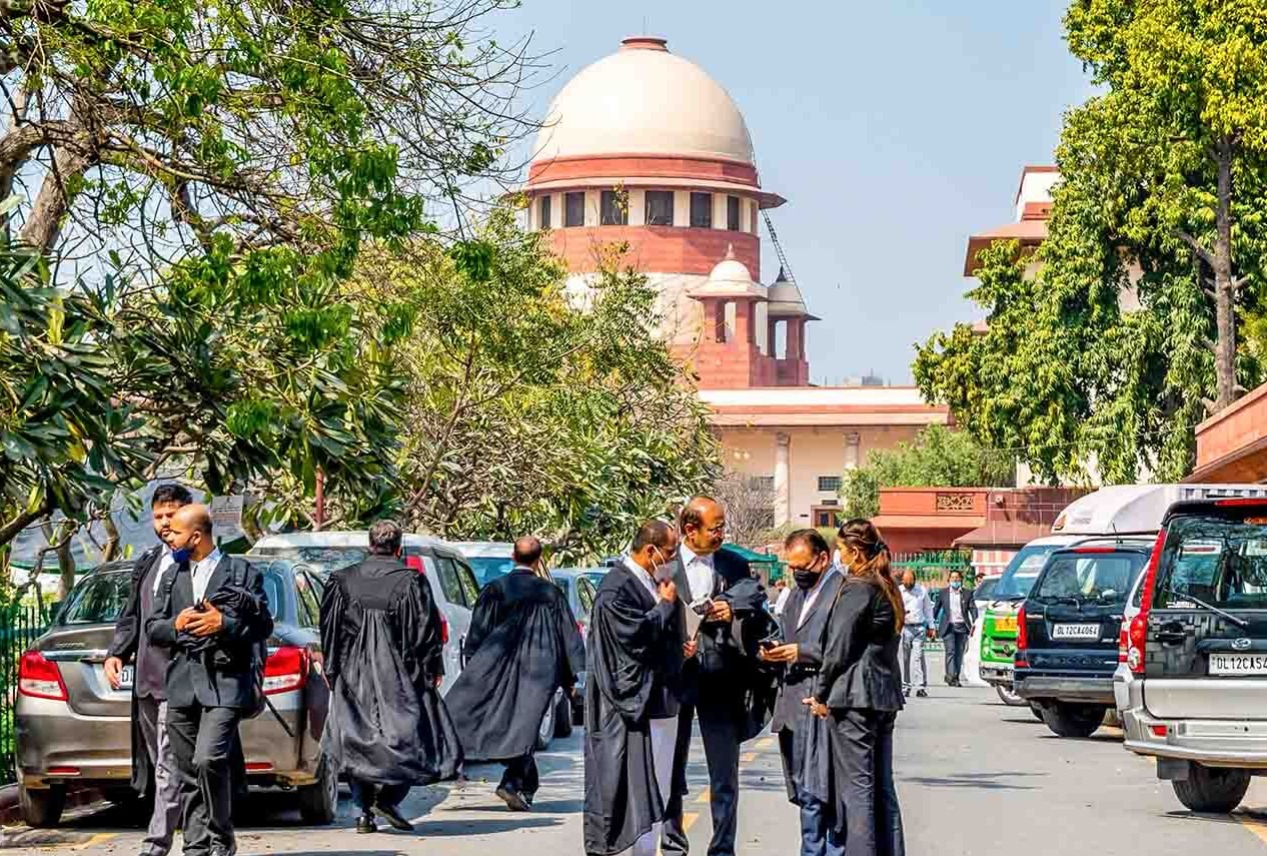
Supreme Court on Wills: Propounder’s Burden and Judicial Safeguards
Apex Court rulings demand strict proof of testamentary intent
Registered Wills enjoy presumption of validity, but scrutiny remains
By Vishwas Kumar
New Delhi: April 30, 2026:
The Supreme Court of India has consistently emphasized that proving a Will requires strict compliance with statutory requirements and removal of suspicious circumstances. Landmark rulings such as H. Venkatachala Iyengar v. B.N. Thimmajamma and Metpalli Lasum Bai v. Metpalli Muthaih have shaped the evidentiary burden on propounders and clarified the presumption of genuineness for registered Wills.
To understand how Indian courts assess ownership rights, succession claims, and evidentiary standards in civil disputes, refer to the Supreme Court judgment in Uma Sashi Devi (Dead) through LRs v. Dibakar Banerjee & Others . This case provides valuable insights into how courts evaluate legal evidence and resolve complex property-related conflicts.
Analytical Article
The Indian judiciary has played a pivotal role in shaping the law of succession, particularly in matters of proving Wills. While the Indian Succession Act, 1925 lays down the statutory framework, the Supreme Court has repeatedly clarified the evidentiary standards required. The propounder of a Will must establish due execution, soundness of mind, voluntariness, and proper attestation. Judicial precedents ensure that testamentary freedom is respected but not abused.
Key Supreme Court Judgments
- H. Venkatachala Iyengar v. B.N. Thimmajamma (AIR 1959 SC 443)
- Principle: Proof of a Will is not a mere formality; the court must be satisfied of its genuineness.
- Suspicious Circumstances: If present, the propounder must dispel them convincingly.
- Impact: Established the doctrine that judicial conscience must be satisfied before granting probate.
- Metpalli Lasum Bai v. Metpalli Muthaih (2025 INSC 879)
- Principle: A registered Will carries a presumption of genuineness.
- Burden of Proof: Shifts to the challenger to prove improper execution or suspicious circumstances.
- Impact: Strengthened the evidentiary value of registered Wills, reducing frivolous challenges.
- Other Notable Rulings
- Courts have consistently held that exclusion of natural heirs, feeble health of the testator, or beneficiary’s involvement in execution are suspicious circumstances requiring explanation.
- The judiciary has emphasized that attesting witnesses must be credible and consistent.
Legal Principles Reinforced
- Section 59, Indian Succession Act, 1925: Testator must be of sound mind.
- Section 63, Indian Succession Act, 1925: Will must be signed and attested by two witnesses.
- Section 68, Evidence Act, 1872: At least one attesting witness must testify.
- Registration Act, 1908: Though optional, registration adds presumption of validity.
Analytical Insight
The Supreme Court’s jurisprudence reflects a balance between testamentary freedom and protection against fraud. By placing the burden on the propounder to prove genuineness and requiring removal of suspicious circumstances, courts safeguard heirs and creditors. At the same time, recognizing the presumption of validity for registered Wills reduces unnecessary litigation.
Conclusion
The apex court’s rulings underscore that proving a Will is a rigorous process. The propounder must not only comply with statutory requirements but also convince the court of the absence of suspicious circumstances. Registered Wills enjoy evidentiary advantages, but judicial scrutiny remains the ultimate safeguard.
[RESEARCH RESOURCES]
EXTRACTS FROM BOOK, WILL WRITING SIMPLIFIED, By Dr Ravinder Kumar Anand. [📘 Buy Will Writing Simplified online: Amazon | Flipkart ]
|
Case Title: H. Venkatachala Iyengar v. B. N. Thimmajamma & Ors., (1958) |
|
Case Title: Rani Purnima Debi & Anr. v. Kumar Khagendra Narayan Deb & Anr., (1961) |
|
Case Title: Shashi Kumar Banerjee & Ors. v. Subodh Kumar Banerjee & Ors., (1963) |
|
Case Title: Surendra Pal & Ors. v. Dr (Mrs) Saraswati Arora & Anr., (1974) |
FAQ on Supreme Court Rulings on Wills
Q1. What did the Supreme Court hold in H. Venkatachala Iyengar v. B.N. Thimmajamma?
That proof of a Will requires satisfaction of judicial conscience, and suspicious circumstances must be explained.
Q2. What is the significance of registration of a Will?
A registered Will carries a presumption of genuineness, shifting the burden to challengers.
Q3. Does registration make a Will immune from challenge?
No. Courts can still invalidate a registered Will if coercion, fraud, or suspicious circumstances are proved.
Q4. What role do attesting witnesses play?
At least one must testify under Section 68 of the Evidence Act. Their credibility is crucial.
Q5. What are suspicious circumstances?
Exclusion of heirs, testator’s poor health, or beneficiary’s undue influence.
Q6. How do these rulings affect propounders?
They must prove due execution, sound mind, voluntariness, and dispel doubts convincingly.
Q7. Why is judicial scrutiny important?
It prevents fraudulent Wills and ensures that testamentary intent is genuine and voluntary.
These rulings collectively ensure that Wills are respected as the final voice of the deceased, but only when proven beyond suspicion.