
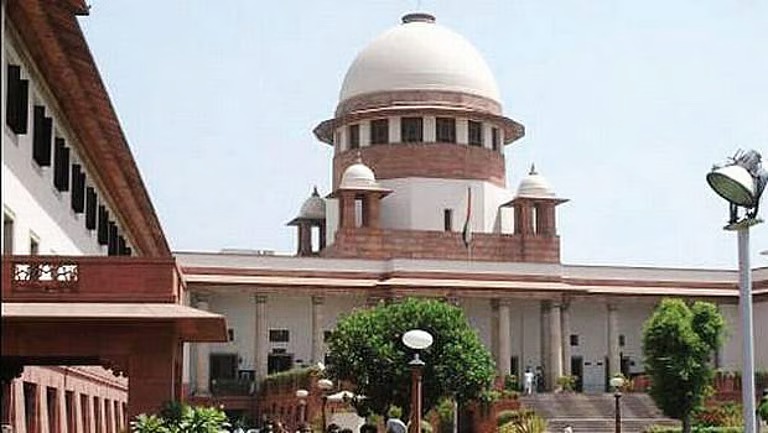
Supreme Court Ruling: Non‑Parties Can Face Contempt for Aiding Disobedience of Orders
Judges clarify liability extends beyond named parties
Chhattisgarh officials’ case sparks wider implications
By Legal Reporter
New Delhi: March 03, 2026:
In a landmark judgment, the Supreme Court of India has ruled that even individuals or authorities who are not direct parties to a case can be held liable for contempt of court if they knowingly aid or facilitate the disobedience of judicial orders. The ruling, delivered in March 2026, underscores the judiciary’s determination to ensure compliance with its directives and prevent deliberate evasion of justice.
Background of the Case
- The ruling came in contempt petitions filed against Chhattisgarh Forest officials, who allegedly failed to comply with a Supreme Court order issued in May 2025.
- Petitioners Israr Ahmad Khan and Md. Hanif accused officials of deliberate inaction, despite being aware of the court’s directions.
- The bench comprising Justice Ahsanuddin Amanullah and Justice R. Mahadevan clarified that contempt liability is not limited to those formally named in proceedings.
[Suggested Resource]
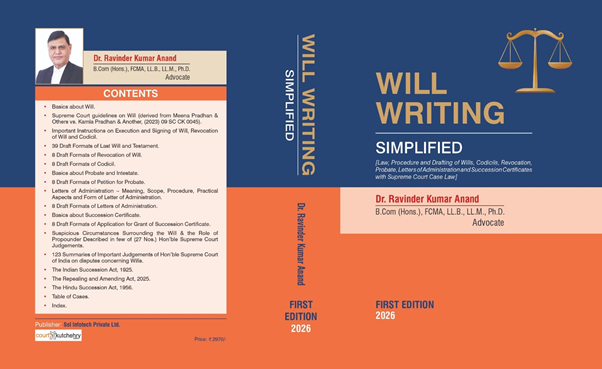
If you want practical guidance on drafting wills, codicils, and probate procedures, Will Writing Simplified is an invaluable resource. BUY NOW: Amazon 🔹 Flipkart
Key Observations by the Supreme Court
- Knowledge Equals Responsibility: Once a person or authority is aware of a judicial order, deliberate inaction or assistance in non‑compliance can amount to contempt.
- No Safe Haven for Outsiders: The Court emphasized that non‑parties cannot escape liability simply because they were not listed in the original case.
- Final Compliance Window: The bench granted a 15‑day window for compliance, warning that failure would result in formal contempt charges.
Why This Matters
- Strengthening Judicial Authority: The ruling reinforces the binding nature of Supreme Court orders, ensuring they cannot be undermined by bureaucratic delays or indirect resistance.
- Accountability Beyond Parties: It expands the scope of responsibility, making it clear that anyone who knowingly aids disobedience—whether government officials, private individuals, or institutions—can face consequences.
- Deterrent Effect: Legal experts believe this will deter officials from ignoring or sidestepping court orders, especially in sensitive cases involving land, environment, or governance.
Reactions and Implications
- Legal Experts: Many hailed the judgment as a progressive step, ensuring that judicial orders are respected in both letter and spirit.
- Government Officials: The ruling has sent shockwaves through bureaucratic circles, as it places accountability on officers who may not be directly named but are aware of orders.
- Public Impact: Citizens see this as a safeguard against misuse of power, ensuring that justice is not derailed by administrative indifference.
Wider Legal Context
- Contempt of court in India is governed by the Contempt of Courts Act, 1971, which penalizes acts that lower the authority of courts or obstruct justice.
- Traditionally, contempt proceedings targeted parties directly involved in litigation.
- This ruling broadens the scope, aligning with global practices where aiding or abetting disobedience is treated as contempt.
Conclusion
The Supreme Court’s ruling on contempt liability for non‑parties is a significant development in Indian jurisprudence. By holding even outsiders accountable, the Court has sent a strong message: judicial orders are sacrosanct, and deliberate defiance will not be tolerated. As compliance deadlines approach in the Chhattisgarh case, the verdict is expected to reshape how officials and institutions respond to court directives in the future.
Keywords for SEO & Faster Searches
Supreme Court contempt ruling, non‑parties liable for contempt, aiding disobedience of court orders, Chhattisgarh forest officials contempt case, Justice Ahsanuddin Amanullah, Justice R. Mahadevan, Contempt of Courts Act 1971, Indian judiciary contempt powers, Supreme Court compliance orders, landmark contempt judgment India