
Supreme Court Flags Lane Driving Crisis in India
Judges say absence of lane discipline fuels accidents
Mandates strict enforcement of tracking devices and speed limiters
By Legal Reporter
New Delhi: May 13, 2026:
The Supreme Court has sharply criticized India’s lack of lane discipline, stating that “most accidents occur due to that.” In a road safety compliance hearing, the Court directed strict enforcement of rules mandating tracking devices, speed limiters, and the constitution of the National Road Safety Board. This ruling highlights systemic failures in road safety governance and the urgent need for reforms.
Context of the Case
The Supreme Court bench of Justice JB Pardiwala and Justice KV Viswanathan was hearing S. Rajaseekaran v. Union of India, a long-running public interest litigation on road safety. Over the years, the Court has issued multiple directions to improve compliance with traffic laws. On May 13, 2026, the bench expressed grave concern over India’s road safety record, noting that lane driving is virtually absent and that this deficiency is a major cause of accidents.
Key Observations by the Court
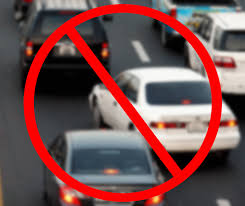
- Lane Driving: Justice Pardiwala remarked that “there is no concept of lane driving in this country,” stressing that enforcing lane discipline could drastically reduce accidents.
- Vehicle Location Tracking Devices (VLTDs): Rule 125H of the Central Motor Vehicles Rules, 1989 mandates installation of tracking devices and emergency buttons in public service vehicles. The Court noted that less than 1% of vehicles comply, calling the situation “disturbing.”
- Fitness Certificates & Permits: The Court directed that no public service vehicle should be granted a fitness certificate (Section 56, Motor Vehicles Act) or a permit (Section 66) unless VLTD installation is verified in the Vahan database.
- Retrofitting Requirement: Vehicles registered up to December 21, 2018, must be retrofitted with tracking devices and panic buttons.
- Speed Limiting Devices: Rule 118 of the Central Motor Vehicles Rules requires manufacturers to fit speed limiters. The Court criticized states for failing to file compliance reports and ordered fresh affidavits with Vahan/Parivahan statistics.
- National Road Safety Board: Despite earlier directions, the Board remains unconstituted. The Court gave a final three-month deadline for its establishment.
- Uttar Pradesh Ordinance: The Court also examined UP’s April 2026 ordinance reviving previously abated Motor Vehicles Act prosecutions, seeking clarity on its scope and mechanism.
Legal Framework Highlighted
- Motor Vehicles Act, 1988:
- Section 56: Fitness certificates for vehicles.
- Section 66: Permits for public service vehicles.
- Central Motor Vehicles Rules, 1989:
- Rule 125H: Mandatory VLTDs and emergency buttons.
- Rule 118: Speed limiting devices.
- Judicial Oversight: The Court continues to monitor compliance through S. Rajaseekaran v. Union of India, treating road safety as a constitutional obligation under Article 21 (Right to Life).
Implications of the Judgment
- Lane Discipline Enforcement: Police and transport authorities must prioritize lane driving awareness and penalties.
- Technology Integration: Mandatory VLTDs and panic buttons will enhance passenger safety, especially for women and children.
- Accountability of States: States must file compliance reports and integrate monitoring with Vahan/Parivahan databases.
- Institutional Reform: The National Road Safety Board, once constituted, will provide centralized oversight and policy direction.
- Public Awareness: The Court’s remarks highlight the cultural gap in driving practices, urging campaigns to instill lane discipline.
FAQ for Quick Understanding
Q1: What did the Supreme Court say about lane driving?
The Court observed that India lacks lane discipline, and most accidents occur because drivers ignore lanes.
Q2: What is Rule 125H of the Central Motor Vehicles Rules?
It mandates installation of vehicle location tracking devices and emergency buttons in public service vehicles.
Q3: What happens if a vehicle doesn’t have a tracking device?
It cannot be granted a fitness certificate under Section 56 or a permit under Section 66 of the Motor Vehicles Act.
Q4: What is Rule 118 about?
It requires manufacturers to install speed limiting devices in vehicles to prevent overspeeding.
Q5: What is the National Road Safety Board?
A statutory body meant to oversee road safety policies and compliance. The Court has ordered its constitution within three months.
Q6: How does this ruling affect ordinary drivers?
It emphasizes stricter enforcement of lane discipline, speed limits, and vehicle safety features, which will directly impact everyday road use.
In summary, the Supreme Court’s intervention underscores that India’s road safety crisis stems not only from poor infrastructure but also from weak enforcement of existing laws. By mandating strict compliance with tracking devices, speed limiters, and lane discipline, the Court aims to push India toward a safer driving culture.