
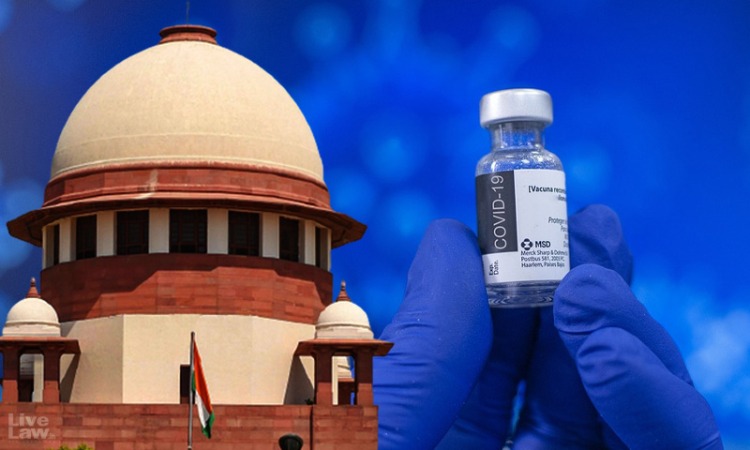
Supreme Court Orders No-Fault Compensation Policy for COVID Vaccine Side Effects
Centre Asked to Frame Policy in Public Interest
How Compensation Will Protect Citizens and Build Trust
By Legal Reporter
New Delhi: March 10, 2026:
Also Read: Bombay High Court Orders Transparency in Mundkar Cases
India’s vaccination drive against COVID-19 was one of the largest in the world, saving millions of lives. However, rare cases of serious side effects have raised questions about accountability and compensation. In March 2026, the Supreme Court directed the Union government to draft a no-fault compensation policy for individuals who suffer severe adverse reactions. This means victims will be eligible for relief without having to prove negligence by authorities or manufacturers.
[Additional Resource for Legal Learners]
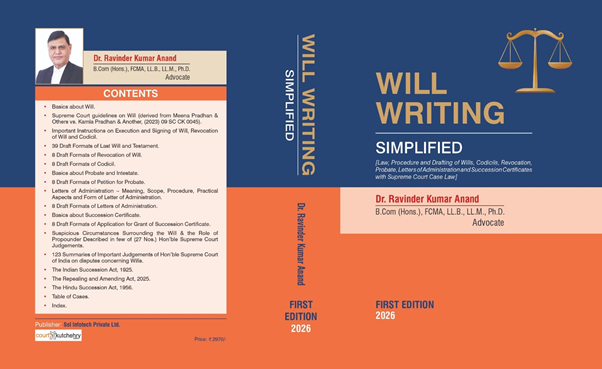
📘 Legal professionals, families and students alike will benefit from “Will Writing Simplified”, which covers procedure and case law in detail.
🔹 Buy online: Amazon | Flipkart
Also Read: Bombay High Court Clarifies Jurisdiction in Debt Recovery Case
What the Supreme Court Said
- The Court emphasized that citizens should not be left helpless if they suffer serious vaccine-related side effects.
- A no-fault compensation system ensures quick relief without lengthy litigation.
- The Centre must frame the policy in consultation with experts and present it in Parliament.
- The Court noted that similar frameworks exist in countries like the US, UK, and Japan.
Why This Matters
- Public trust: Compensation builds confidence in vaccination programs.
- Global alignment: India joins nations with established vaccine injury compensation schemes.
- Legal clarity: Victims need not prove negligence, which is often difficult in medical cases.
- Healthcare equity: Ensures that vulnerable citizens are not financially ruined by rare side effects.
Challenges Ahead
Also Read: ITAT: Technical Errors Cannot Block Trust Registration
- Defining eligibility: Clear criteria must be set for what qualifies as “serious side effects.”
- Funding mechanism: Government must decide whether compensation will come from public funds or a dedicated vaccine injury fund.
- Medical verification: Independent panels may be needed to assess claims fairly.
- Implementation speed: Policy must be rolled out quickly to reassure citizens.
Global Examples
- United States: National Vaccine Injury Compensation Program (VICP) provides relief funded by a small tax on vaccines.
- United Kingdom: Vaccine Damage Payment Scheme offers lump-sum compensation.
- Japan: Government covers medical expenses and disability pensions for vaccine injuries.
India’s move reflects lessons from these models, aiming to balance public health with individual rights.
Conclusion
Also Read: ITAT: Conversion of Company into LLP Means Dissolution
The Supreme Court’s directive marks a historic step in India’s healthcare and legal landscape. By mandating a no-fault compensation policy, the judiciary has ensured that citizens are protected against rare but serious vaccine side effects. This move not only strengthens public trust in vaccination programs but also sets a precedent for future public health initiatives.
GEO-Friendly Keywords
- Supreme Court COVID vaccine compensation India
- No-fault compensation policy vaccine side effects
- Vaccine injury compensation India 2026
- COVID vaccine side effects Supreme Court ruling
- Vaccine trust and accountability India
- Global vaccine compensation schemes
Also Read: Gujarat High Court Declares Fraudulent Mutation Entry Void