
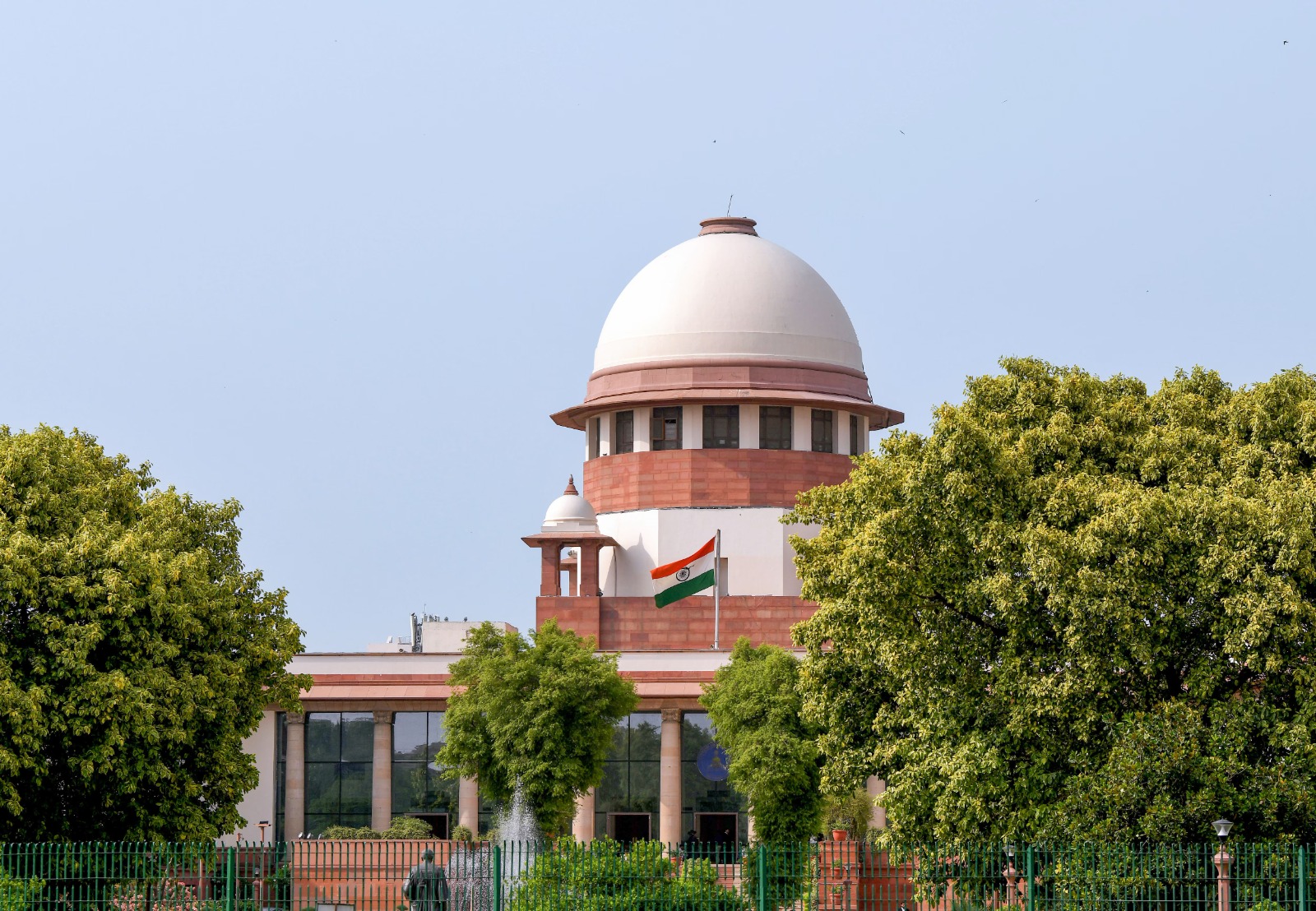
Succession Certificates in Court: Key Supreme Court Precedents
Certificates as Authority, Not Title
Equality, Minors, and Procedural Safeguards
By Vishwas Kumar
New Delhi: April 22, 2026:
The Supreme Court of India has consistently clarified that succession certificates under the Indian Succession Act, 1925 are limited instruments—they authorize collection of debts and securities but do not confer ownership rights. Key rulings such as Banarsi Dass v. Teeku Dutta (2005), Vineeta Sharma v. Rakesh Sharma (2020), and Deepesh Maheswari v. Renu Maheswari (2026) provide critical precedents for challenging or defending succession certificate claims.
In disputes involving religious or temple properties, courts often examine long-standing possession, ownership claims, and succession rights with great scrutiny. A notable example is the 👉 Shri Mhaliamman Temple & Vigneswarar Koil vs Vijayammal judgment, which offers valuable insight into how Indian courts resolve conflicts over property rights and legal succession in such sensitive cases.
Analytical Report
1. Banarsi Dass v. Teeku Dutta (2005)
- Principle: The Supreme Court held that a succession certificate does not establish title of the grantee as heir.
- Context: The certificate merely authorizes collection of debts and protects debtors who pay the holder. It does not confer general rights over the estate.
- Relevance: Useful when defending against claims that a certificate equals ownership. It strengthens arguments that title disputes must be resolved separately through probate or civil suits.
2. Vineeta Sharma v. Rakesh Sharma (2020)
- Principle: Daughters are coparceners by birth under the Hindu Succession Act, with equal rights as sons.
- Context: The Court clarified that the father’s date of death is irrelevant; daughters retain equal rights regardless of whether he died before or after the 2005 amendment.
- Relevance: Critical in succession disputes involving gender equality. If a certificate is challenged on grounds of exclusion of daughters, this precedent ensures their entitlement.
3. Deepesh Maheswari v. Renu Maheswari (2026)
- Principle: The Supreme Court set aside an ex parte succession certificate, emphasizing protection of minors and strict compliance with disclosure requirements.
- Context: Lower courts had ignored the rights of a minor heir and procedural defects in the application. The apex court restored proceedings, stressing that suppression of facts or omission of heirs invalidates certificates.
- Relevance: Powerful precedent for revocation under Section 383 of the Succession Act. It highlights that minors must be represented and that procedural shortcuts cannot override natural justice.
4. Zohra Begum v. Canara Bank (2025, Delhi High Court, affirmed principles)
- Principle: Succession certificates only entitle heirs to claim debts/securities, but banks may require compliance with internal formalities.
- Context: The court issued a certificate to heirs of a deceased depositor but clarified that indemnity bonds and fees must be filed.
- Relevance: Useful in practical arguments—certificate holders cannot demand automatic release of funds; institutions retain procedural safeguards.
Practical Usage in Drafts or Arguments
- To Defend a Certificate: Cite Banarsi Dass to show certificate validity for debt collection, and Deepesh Maheswari to argue against revocation unless suppression or fraud is proven.
- To Challenge a Certificate: Use Deepesh Maheswari to highlight procedural defects, especially omission of heirs or minors.
- For Gender Equality Claims: Invoke Vineeta Sharma to ensure daughters’ rights are recognized in succession disputes.
- Against Automatic Asset Release: Refer to Zohra Begum to argue that financial institutions can impose compliance requirements.
[RESEARCH RESOURCES]
BUY & READ THE BOOK, WILL WRITING SIMPLIFIED, By Dr Ravinder Kumar Anand. [📘 Buy Will Writing Simplified online: Amazon | Flipkart ]
FAQs
Q1. Does a succession certificate prove ownership of property?
No. It only authorizes collection of debts and securities. Ownership/title must be established separately. (Banarsi Dass v. Teeku Dutta)
Q2. Can daughters be excluded from succession claims?
No. Daughters are coparceners by birth with equal rights as sons. (Vineeta Sharma v. Rakesh Sharma)
Q3. What if a minor heir is ignored in the application?
The certificate can be revoked for suppression or misstatement. Minors must be represented. (Deepesh Maheswari v. Renu Maheswari)
Q4. Does a certificate compel banks to release funds immediately?
No. Banks may require indemnity bonds, fees, and compliance with internal rules. (Zohra Begum v. Canara Bank)
Q5. Can multiple heirs hold a certificate jointly?
Yes. Courts may issue joint certificates considering extent of interest and fitness.
Conclusion
Supreme Court precedents make clear that succession certificates are protective instruments, not ownership documents. They safeguard debtors, regulate debt collection, and ensure rightful heirs—including daughters and minors—are not excluded. For courtroom strategy, these rulings provide strong grounds both to defend certificates against undue challenges and to challenge them when procedural lapses or suppression of facts occur.