
Spotting Deepfakes: Public Guide to Detect and Share Responsibly
Simple visual cues help identify AI manipulations
Safe sharing practices protect against legal risks
By Vishwas Kumar
New Delhi: May 25, 2026:
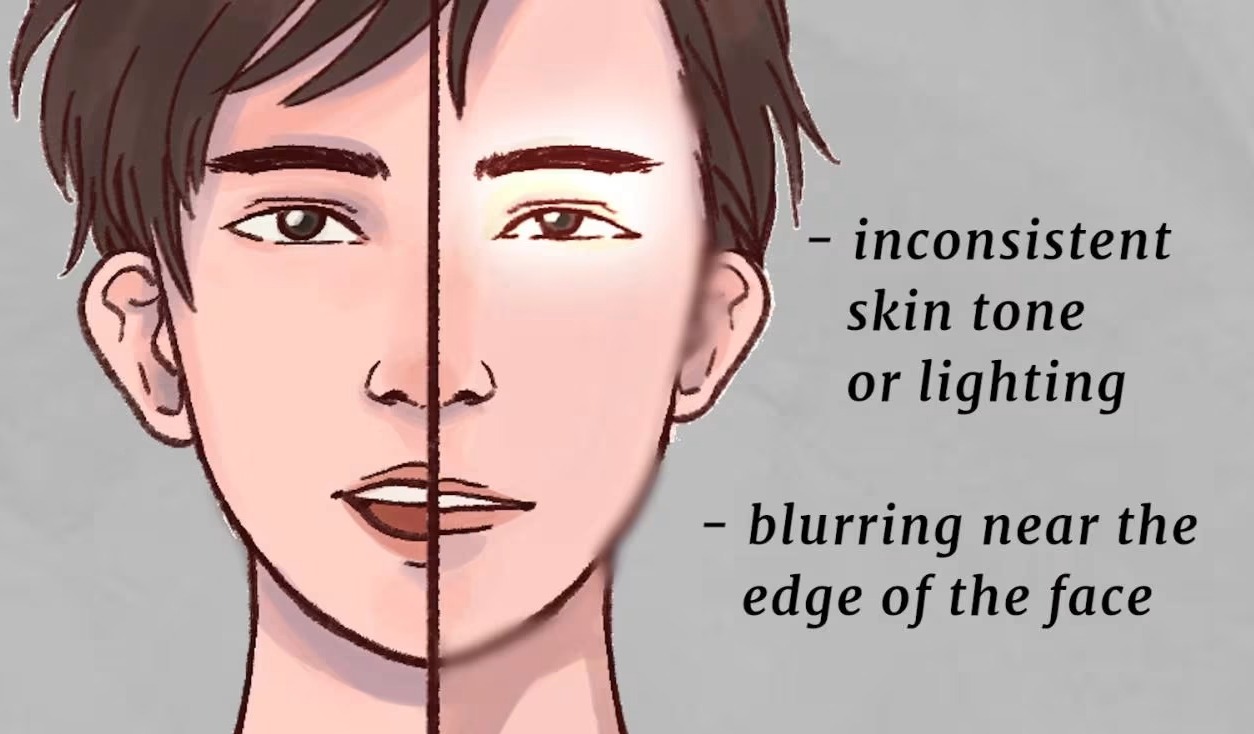
Deepfakes are increasingly hard to spot, but ordinary users can still detect many AI-generated images by looking for subtle inconsistencies in facial features, lighting, and context. To avoid legal trouble, the public should follow simple dos and don’ts when sharing suspicious visuals online.
Simple Tips to Detect Deepfakes
The decision in Metpalli Lasum Bai Since Dead & Others vs Metapalli Muthaiah (D) By LRs is highly relevant for readers researching inheritance disputes, rights of legal representatives, and partition-related civil litigation under Indian law. The judgment explains how courts analyze succession claims, family property rights, and documentary evidence while resolving long-standing disputes among legal heirs and interested parties.
Visual & Audio Cues
- Eyes & Blinking: Deepfakes often show unnatural blinking patterns or mismatched eye movements.
- Skin Texture: Look for overly smooth or blurred skin compared to sharper hair or clothing.
- Lighting & Shadows: Inconsistent glare on glasses or shadows falling unnaturally can indicate manipulation.
- Facial Hair & Moles: Irregularities in facial hair or missing natural marks are common giveaways.
- Lip Sync & Audio: Misaligned lip movements or robotic voice tones suggest AI-generated audio.
- Background Details: Blurred or distorted objects in the background often reveal synthetic generation.
Behavioral Cues (from MIT Media Lab study) media.mit.edu
- People detect deepfakes more accurately when audio and video are combined, rather than text alone.
- Voice tone and delivery style are often more revealing than the actual words spoken.
Do’s & Don’ts of Sharing
✅ Do’s
- Verify Source: Check if the image/video comes from a credible news outlet or official account.
- Use Fact-Checking Tools: Platforms like InVID, Deepware Scanner, or Google Reverse Image Search help validate authenticity.
- Report Suspicious Content: Use platform reporting features to flag harmful deepfakes.
- Educate Others: Share awareness about how deepfakes work and their risks.
❌ Don’ts
- Don’t Forward Without Verification: Sharing manipulated visuals can make you liable under IT Act Section 67 (obscene content) or IPC Section 500 (defamation).
- Don’t Edit or Repost: Altering and redistributing deepfakes may attract charges of impersonation under IT Act Section 66D.
- Don’t Assume Harmlessness: Even “funny” or “parody” deepfakes can cause reputational harm and legal consequences.
- Don’t Ignore Privacy: Using someone’s likeness without consent violates the DPDP Act, 2023.
FAQ for Quick Understanding
Q1. Can I be punished for just forwarding a deepfake?
Yes. Forwarding obscene or defamatory deepfakes can attract liability under IT Act and IPC provisions.
Q2. What tools can help me detect deepfakes?
Free tools like InVID, Deepware Scanner, and reverse image search are effective for quick checks.
Q3. How do courts treat deepfake evidence?
Courts require forensic validation and authenticity certificates under the Bharatiya Sakshya Adhiniyam, 2023.
Q4. Are parody deepfakes legal?
Not always. If reputational harm or obscenity is involved, they can still be prosecuted.
Q5. What’s the safest practice for the public?
Always verify before sharing, and when in doubt, don’t forward.
Action Plan: Learn to spot visual/audio inconsistencies, use fact-checking tools, and avoid sharing unverified content. This protects both your legal standing and society’s digital safety.