
Supreme Court’s Dalal Estate Verdict Redefines Probate Jurisdiction in India
High Courts Retain Constitutional Authority Under Article 215
Estate Protection Strengthened Through Administrator Pendente Lite
By Vishwas Kumar
New Delhi: May 27, 2026:
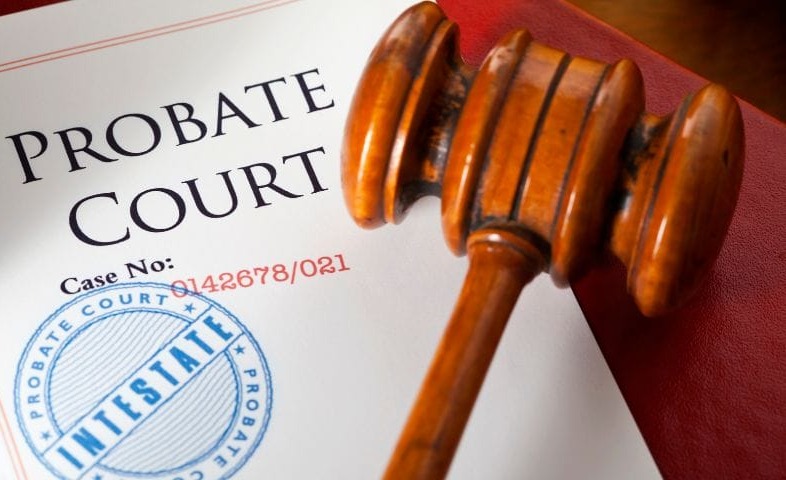
The Supreme Court’s recent decision in the Purvez Burjor Dalal estate dispute has reshaped the understanding of probate jurisdiction in India. The Court upheld the Bombay High Court’s order directing a police investigation into alleged irregularities in estate administration, affirming that High Courts retain their constitutional powers under Article 215 of the Constitution of India even while exercising probate jurisdiction under the Indian Succession Act, 1925.
The landmark Supreme Court ruling in Vishal Tiwari vs Union of India holds major significance for investors, corporate governance experts, and securities law professionals. The judgment examines allegations surrounding the Adani-Hindenburg controversy, the role of SEBI in regulating the Indian securities market, and the scope of judicial interference in economic and policy matters. The Supreme Court clarified important principles relating to market regulation, investor protection, expert committee review, and constitutional limits on court intervention in financial investigations, making this case a key reference in Indian corporate and securities law.
This ruling is significant because probate courts traditionally focus on validating wills and appointing administrators. However, the Supreme Court emphasized that when fraud or deceit threatens estate assets, High Courts must act proactively to protect property under their custody.
Key Legal Provisions and Complexities
- Indian Succession Act, 1925 – Section 247
- Provides for appointment of an Administrator pendente lite during litigation.
- Once appointed, the estate is considered “in custodia legis” (under court custody).
- The administrator’s role is to preserve assets until the dispute is resolved.
- Complexity: Administrators often face resistance from beneficiaries or executors who may attempt to bypass court control, leading to conflicts between civil and criminal law.
- Article 215 of the Constitution of India
- Declares High Courts as courts of record with inherent powers.
- The Supreme Court clarified that probate jurisdiction does not limit these powers.
- Complexity: Balancing statutory probate functions with constitutional authority can be challenging, especially when parties argue that probate courts should not interfere with criminal matters.
- Probate Jurisdiction vs. Criminal Liability
- Probate courts primarily decide the validity of wills.
- However, fraudulent transfers, forgery, or breach of trust fall under criminal law.
- Complexity: Parallel proceedings often arise—probate litigation in civil courts and criminal investigations by police. Courts must ensure neither process undermines the other.
- Doctrine of Custodia Legis
- Once the estate is under court-appointed administration, it cannot be alienated without court approval.
- Complexity: Beneficiaries sometimes argue that probate courts overstep by restricting transactions, but the doctrine ensures estate protection until final adjudication.
- Intersection with Trust Law and Property Law
- Estates often involve trusts, companies, or joint properties.
- Complexity: Probate courts must navigate overlapping legal frameworks, ensuring estate assets are not siphoned off through corporate or trust structures.
Supreme Court’s Observations
- The appellants engaged in a “concerted, deceitful effort” to frustrate the administrator’s mandate.
- High Courts cannot remain passive when faced with blatant fraud.
- Article 215 empowers courts to order investigations, ensuring estates are not plundered.
- The ruling strengthens judicial oversight, making probate courts guardians of estate integrity rather than mere adjudicators of wills.
Wider Complexities in Probate Law
- Multiple Wills: Disputes often arise when more than one will surfaces, leading to prolonged litigation.
- Executor Misconduct: Executors may misuse estate funds, requiring court intervention.
- Delay in Probate Proceedings: Probate cases can drag on for years, leaving estates vulnerable to mismanagement.
- Cross-Border Estates: With globalization, estates may include foreign assets, complicating jurisdiction.
- Family Disputes: Probate litigation often intensifies family conflicts, making courts mediators as well as adjudicators.
This ruling ensures that High Courts can address these complexities with broader constitutional authority, preventing estates from being exploited during litigation.
FAQ: Quick Legal Understanding
Q1. What is probate jurisdiction?
It is the authority of courts to validate wills and oversee estate administration after a person’s death.
Q2. Can High Court’s order police investigations in probate cases?
Yes. The Supreme Court confirmed that High Courts retain constitutional powers under Article 215 to order investigations when fraud or irregularities are suspected.
Q3. What is an Administrator pendente lite?
A temporary administrator appointed under Section 247 of the Succession Act to manage the estate during litigation. The estate then becomes “in custodia legis”.
Q4. Does probate law shield parties from criminal liability?
No. While the Succession Act regulates estate administration, criminal law applies if fraud, forgery, or breach of trust occurs.
Q5. What are common complexities in probate law?
- Multiple wills and disputes over authenticity
- Executor misconduct and misuse of estate funds
- Delays in probate proceedings
- Cross-border estate assets
- Family conflicts over inheritance
Q6. Why is this ruling important?
It establishes that probate courts are not passive; they can actively intervene to protect estates from fraud, ensuring accountability and justice.
Takeaway: The Supreme Court’s decision bridges statutory probate law with constitutional authority, empowering High Courts to safeguard estates from fraud. This precedent strengthens estate protection, clarifies the scope of probate jurisdiction, and ensures that justice prevails even in complex inheritance disputes.