
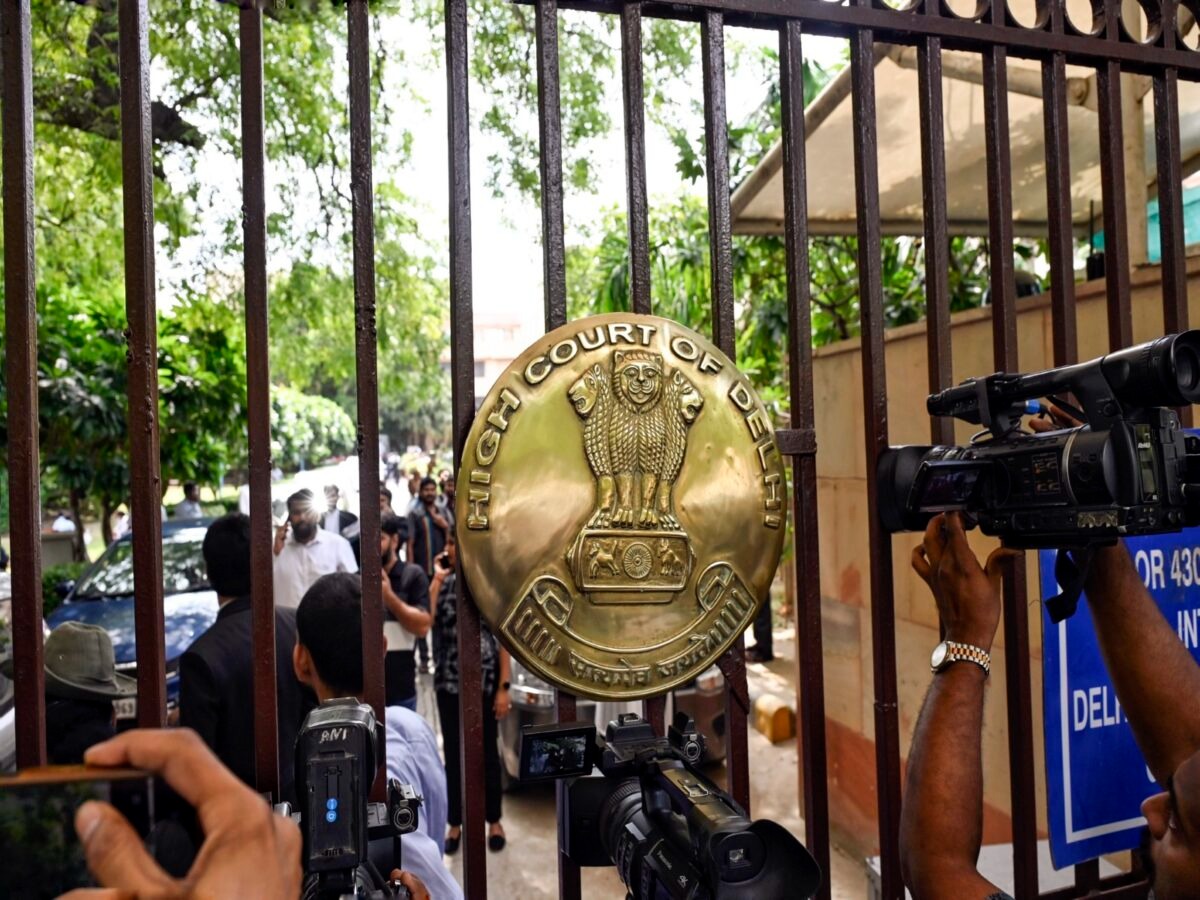
Delhi High Court: Non-Payment Alone Cannot Cancel Registered Sale Deed
Contractual Remedies First: Ownership passes once deed is registered, even if consideration unpaid.
Legal Clarity: Court reinforces Transfer of Property Act principles, protecting sanctity of registration.
By Legal Reporter
New Delhi: April 23, 2026:
In a pivotal ruling, the Delhi High Court has held that mere non-payment of sale consideration is not sufficient ground to cancel a registered sale deed. This judgment underscores the sanctity of registration under the Registration Act, 1908 and clarifies that ownership of immovable property passes once a valid deed is executed and registered, regardless of whether consideration has been paid in full.
Background of the Case
The dispute arose when a seller sought cancellation of a registered sale deed, arguing that the buyer had failed to pay the agreed consideration. The High Court rejected this plea, emphasizing that once a sale deed is registered, ownership rights transfer to the buyer. The seller’s remedy lies in pursuing recovery of unpaid consideration, not in invalidating the deed.
Legal Principles Discussed
- Transfer of Property Act, 1882 (Section 54)
- Defines “sale” as transfer of ownership in exchange for a price paid or promised.
- Ownership passes upon execution and registration of the deed, even if consideration is unpaid.
- Registration Act, 1908
- Registration of sale deeds is mandatory for immovable property transactions.
- Once registered, the deed has legal sanctity and cannot be cancelled merely due to non-payment.
- Indian Contract Act, 1872
- Non-payment of consideration constitutes breach of contract.
- Remedy lies in damages or recovery suits, not cancellation of ownership already transferred.
- Judicial Precedent
- Courts have consistently held that title passes upon registration.
- Non-payment affects contractual obligations, not ownership rights.
[Read all will disputes judgments here. Click the link here: https://www.courtkutchehry.com/pages/blog/123-supreme-court-judgments-on-wills/]
Court’s Observations
- Ownership vs. Consideration: Ownership transfers once the deed is registered; consideration is a contractual obligation.
- Remedy for Seller: The seller may sue for recovery of unpaid consideration but cannot seek cancellation of the deed.
- Sanctity of Registration: Registration provides certainty and finality in property transactions, preventing arbitrary cancellations.
Comparative Analysis: Payment vs. Registration
| Aspect | Payment of Consideration | Registration of Sale Deed |
|---|---|---|
| Legal Basis | Contract Act, 1872 | Registration Act, 1908 |
| Effect | Creates contractual obligation | Transfers ownership rights |
| Remedy for Breach | Damages or recovery suits | Cannot cancel deed solely for non-payment |
| Judicial Weight | Secondary to registration | Primary determinant of ownership |
Likely Impact of the Judgment
- For Buyers: Provides security that ownership is protected once deed is registered, even if payment disputes arise.
- For Sellers: Clarifies that remedy lies in recovery suits, not cancellation of deeds.
- For Courts: Reinforces consistency in property law, reducing frivolous cancellation claims.
- For Real Estate Market: Strengthens confidence in registered transactions, ensuring stability and predictability.
Editorial Perspective
This ruling is a critical reaffirmation of property law principles. By distinguishing between contractual obligations and ownership rights, the Delhi High Court has safeguarded the sanctity of registration. The judgment ensures that property transactions remain predictable and secure, discouraging attempts to invalidate deeds based on payment disputes. It also protects buyers from arbitrary cancellations, while reminding sellers to pursue contractual remedies through proper legal channels.
[RESEARCH RESOURCES]
BUY & READ THE BOOK, WILL WRITING SIMPLIFIED, By Dr Ravinder Kumar Anand. [📘 Buy Will Writing Simplified online: Amazon | Flipkart ]
FAQs for Quick Understanding
Q1. Can a registered sale deed be cancelled if the buyer fails to pay?
A: No. Non-payment of consideration does not invalidate ownership once the deed is registered.
Q2. What remedies does the seller have?
A: The seller can file a suit for recovery of unpaid consideration or damages under the Contract Act, 1872.
Q3. Which law governs transfer of ownership in property sales?
A: The Transfer of Property Act, 1882, which states ownership passes upon execution and registration of the deed.
Q4. Why is registration important?
A: Registration under the Registration Act, 1908 provides legal sanctity and finality to property transactions.
Q5. Does non-payment affect ownership rights?
A: No. It affects contractual obligations but does not undo ownership already transferred.
Q6. What did the Delhi High Court decide in this case?
A: It ruled that non-payment alone cannot cancel a registered sale deed; remedy lies in recovery suits.
Q7. How does this ruling affect buyers and sellers?
A: Buyers gain security of ownership post-registration; sellers must rely on contractual remedies for unpaid dues.
Conclusion
The Delhi High Court’s ruling is a landmark clarification in property law, reinforcing that ownership passes upon registration, not upon payment. By upholding the sanctity of registered deeds, the Court has ensured stability in property transactions, protected buyers from arbitrary cancellations, and directed sellers toward appropriate contractual remedies. This judgment strengthens the legal framework, ensuring that property rights in India remain firmly anchored in statutory compliance and judicial consistency.