
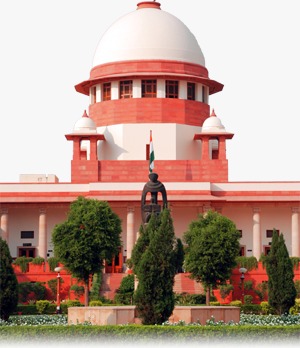
COURTKUTCHEHRY SPECIAL SERIES ON LANDMARKS JUDGEMENTS ON WILLS, CODICIL & PROBATE
Rur Singh (Dead) through LRs. and others v. Bachan Kaur: Supreme Court Upholds Validity of Will, Restores Sons’ Inheritance Rights
High Court Overstepped Jurisdiction Under Section 100 CPC
Will Found Duly Executed, Attested, and Free of Suspicion
By Vishwas Kumar
New Delhi: March 29, 2026:
On 12 February 2009, the Supreme Court of India delivered a significant ruling in Rur Singh (Dead) through LRs. and Others v. Bachan Kaur (Civil Appeal No. 941 of 2009), resolving a bitter inheritance dispute over the estate of Kehar Singh. The controversy centered on the genuineness of a Will that excluded his daughter, Bachan Kaur, from succession and vested property rights in his sons.
The High Court had earlier invalidated the Will, citing inconsistencies and the suspicious late production of the document. It concluded that the Will was unreliable and ruled in favour of the daughter. However, the matter reached the Supreme Court, where a Division Bench comprising Justice S.B. Sinha and Justice Mukundakam Sharma examined the findings in detail.
The Court held that the High Court had overstepped its jurisdiction under Section 100 of the Code of Civil Procedure (CPC) by reassessing factual determinations already made by the trial court and first appellate court. Both lower courts had found the Will genuine, duly executed, and properly attested. The Supreme Court emphasized that unless a substantial question of law arises, the High Court cannot interfere with concurrent factual findings.
Reaffirming the validity of the Will, the Supreme Court ruled that it was free from suspicious circumstances and had been executed in accordance with legal requirements. Consequently, the appeal was allowed, reinstating the sons’ inheritance rights under Kehar Singh’s Will.
This judgment underscores the principle that appellate courts must respect the boundaries of their jurisdiction and avoid re-evaluating settled facts. It also highlights the importance of proper attestation and execution in safeguarding testamentary documents against challenges.
For More, Read Here the Summary of the Judgement from the Book: WILL WRITING SIMPLIFIED, read below or open page no 436, Chapter 14.1 in the book. (Online book purchase link available here on: Buy online: Amazon | Flipkart
|
|
Case Summary |
: |
Rur Singh (Dead) through LRs. and Others v. Bachan Kaur. |
|
|
Court |
: |
Supreme Court of India |
|
|
Citations |
: |
(2009) 02 SC CK 0115: Civil Appeal No. 941 of 2009. |
|
|
Link |
: |
https://www.courtkutchehry.com/judgements/663585/rur-singh-d-th-lrs-and-others-vs-bachan-kaur/
|
|
|
Decided on |
: |
12 February 2009 |
|
|
Coram |
: |
Hon’ble Mr. Justice S.B. Sinha and Hon’ble Mr. Justice Mukundakam Sharma. |
|
|
Relevant Paragraphs |
: |
Para Nos.2–21 |
1. Facts of the Case:
Kehar Singh, owner of agricultural land, allegedly executed a Will on 14.05.1969 bequeathing all his agricultural properties in favour of his sons. The Will was scribed by the village Sarpanch and attested by ten witnesses. Kehar Singh died on 05.10.1969. Mutation was sanctioned in 1970 for lands in village Lohgarh in favour of his sons, and for village Jhunir in 1979. The respondent, Bachan Kaur (daughter), filed a suit claiming that Kehar Singh died intestate. The trial court upheld the Will as genuine; the first appeal was dismissed; but the High Court reversed these concurrent findings, holding the Will suspicious and not duly proved under Section 63 of the Indian Succession Act.
2. Law Points Involved:
(i). Proof of Will under Section 63(c), Indian Succession Act, 1925
(ii). Attestation and evidence of execution under Section 68, Indian Evidence Act, 1872
(iii). Scope of interference under Section 100, Code of Civil Procedure, 1908 (Second Appeal)
3. Acts / Provisions / Articles Referred:
(i). Civil Procedure Code, 1908 — Section 100
(ii). Indian Evidence Act, 1872 — Section 68
(iii). Indian Succession Act, 1925 — Section 63
4. Judgments Referred:
(i). Janki Narayan Bhoir v. Narayan Namdeo Kadam, (2002) 12 SC CK 0087.
[https://www.courtkutchehry.com/judgements/654452/janki-narayan-bhoir-vs-narayan-namdeo-kadam/]
(ii). Benga Behera v. Braja Kishore Nanda, (2007) 05 SC CK 0175.
(iii). Lalitaben Jayantilal Popat v. Pragnaben Jamnadas Kataria, (2008) 12 SC CK 0142.
(iv). Anil Kak v. Sharada Raje (2008) 04 SC CK 0062;
5. Obiter Dicta:
The mere fact that one of the beneficiaries was present during execution of the Will or that the testator excluded daughters from inheritance cannot by itself be treated as suspicious. In rural family settings, the execution of a Will in favour of sons to retain agricultural holdings within the family is not unnatural. Absence of the panchayat register or difference in language/signature style of the scribe (Urdu text but English signature) does not invalidate the Will when statutory proof exists.
6. Ratio Decidendi:
When a Will is attested by two or more witnesses as required under Section 63(c) and at least one attesting witness proves due execution in accordance with Section 68 of the Evidence Act, the Will stands duly proved. The High Court cannot re-appreciate concurrent factual findings in a second appeal unless a substantial question of law arises. Presence of beneficiaries at the time of execution or exclusion of some heirs does not constitute “suspicious circumstances” if due execution and attestation are proved through credible independent witnesses.
7. Final Ruling:
The Supreme Court set aside the judgment of the Punjab and Haryana High Court and restored the concurrent findings of the trial and first appellate courts. The Will dated 14.05.1969 was held to be genuine and duly proved. The appeal was allowed; no order as to costs.
8. Gist Highlighting Dispute with Final Decision:
The dispute centered on the genuineness of a Will executed by Kehar Singh, excluding his daughter (respondent) from inheritance. The High Court had found the Will suspicious and invalid, citing inconsistencies and the late production of the document. The Supreme Court, however, ruled that the High Court overstepped its jurisdiction under Section 100 CPC by reassessing facts already established by two courts. It reaffirmed that the Will was duly executed, properly attested, and free from suspicious circumstances. The appeal was thus allowed, reinstating the sons’ inheritance under the Will.
Read full Judgement Here:
Rur Singh (Dead) through LRs. and Others v. Bachan Kaur.
Supreme Court of India
(2009) 02 SC CK 0115: Civil Appeal No. 941 of 2009.
https://www.courtkutchehry.com/judgements/663585/rur-singh-d-th-lrs-and-others-vs-bachan-kaur/
You Can Also Purchase the Book from here on: Buy online: Amazon | Flipkart
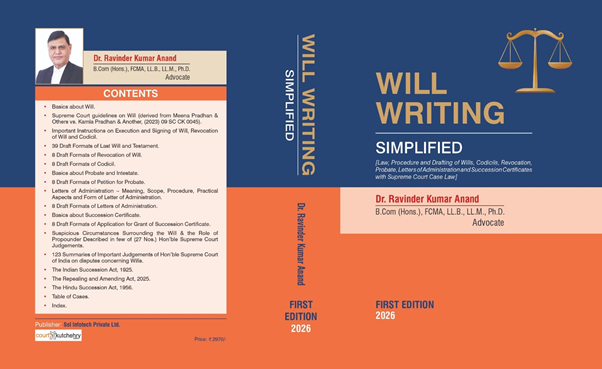
OUR RECOMMENDATION: Check out 123 Key Judgements, as highlighted in the book, WILL WRITING SIMPLIFIED, for the quick research and reference purposes. Click the link here: https://www.courtkutchehry.com/pages/blog/123-supreme-court-judgments-on-wills/
Keywords for SEO & Faster Searches
- Rur Singh v. Bachan Kaur Supreme Court case
- 2009 inheritance dispute judgment India
- Section 100 CPC jurisdiction Supreme Court
- Validity of Will inheritance India
- Civil Appeal No. 941 of 2009 Supreme Court
- Supreme Court restores sons’ inheritance rights