
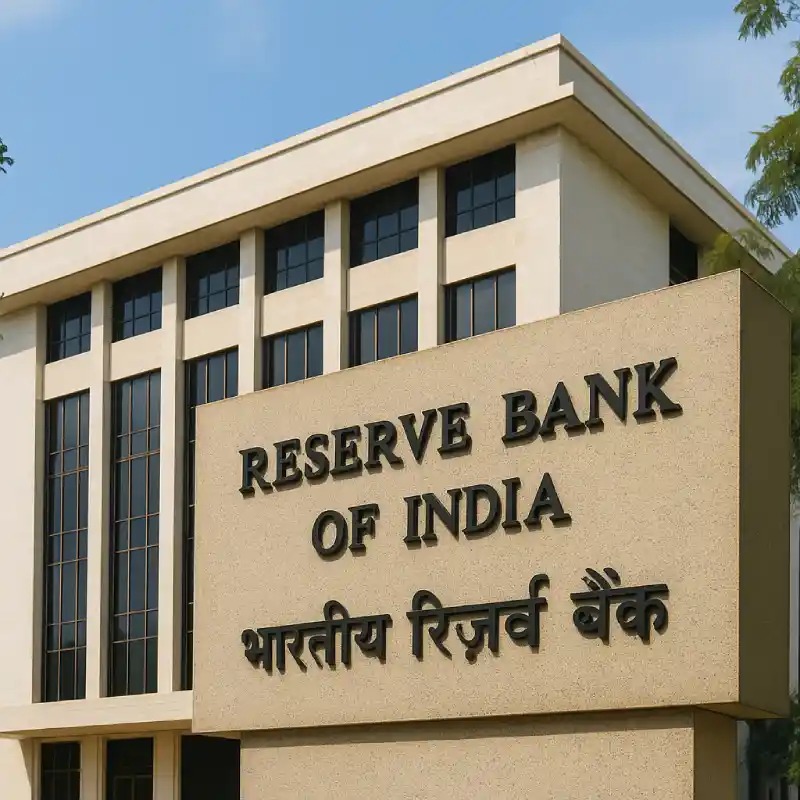
Repatriating Inherited Wealth: RBI’s Legal Roadmap for NRIs
Step-by-step compliance under FEMA and RBI rules
Tax clearance and documentation are non-negotiable for remittance
By Vishwas Kumar
New Delhi: May 13, 2026:
For Non-Resident Indians (NRIs), transferring inherited wealth abroad is permitted but tightly regulated. The Foreign Exchange Management Act (FEMA), 1999 and RBI’s Remittance of Assets Regulations, 2016 govern the process. These rules ensure that funds leaving India are legitimate, tax-compliant, and properly documented.
The Legal Framework
Key Principles
- Eligibility: NRIs and Persons of Indian Origin (PIOs) can remit inherited assets.
- Limit: Up to USD 1 million per financial year from NRO accounts.
- Assets Covered: Sale proceeds of property, bank balances, deposits, shares, and other financial instruments.
- Condition: Inheritance must be legally recognized through a will, succession certificate, or probate.
Documentation Required
Banks require a comprehensive set of documents before processing remittance:
- Death certificate of the deceased.
- Proof of inheritance (probate, succession certificate, or legal heirship certificate).
- Property or asset documents (title deeds, share certificates, deposit receipts).
- Chartered Accountant’s certificate (Form 15CA/15CB) confirming tax compliance.
- NOCs from co-heirs if inheritance is shared.
Tax Compliance
Funds cannot be repatriated until all taxes are settled:
- Capital gains tax on sale of property.
- Income tax on rental income or interest.
- Certification by a Chartered Accountant is mandatory.
India does not levy inheritance tax, but the NRI’s country of residence may impose estate or inheritance duties.
RBI’s Role
- RBI permits remittance up to USD 1 million annually without prior approval, provided documentation is complete.
- Larger amounts require special RBI approval, which is discretionary.
- All remittances must flow through NRO accounts, ensuring traceability.
Practical Challenges
- Probate delays in Indian courts can stall inheritance recognition.
- Disputes among heirs may block remittance until resolved.
- Foreign tax obligations may reduce net funds received abroad.
Conclusion
Repatriation of inherited wealth is possible but requires careful compliance. NRIs should plan in advance, draft wills that clarify inheritance, and maintain proper documentation. The USD 1 million annual limit provides flexibility, but tax clearance and legal proof remain essential.
Sources: RBI Remittance of Assets Regulations, FEMA 1999, Indian Income Tax Act.
NEED A HELP IN UNDERSTANDING & DRAFTING A LEGALLY VALID WILL? FIND OUT FROM THE BOOK, WILL WRITING SIMPLIFIED, By Dr Ravinder Kumar Anand. [📘 Buy Will Writing Simplified online: Amazon | Flipkart ]
Detailed FAQ
Q1. Can NRIs repatriate inherited funds abroad?
Yes, subject to FEMA and RBI regulations, with a USD 1 million annual limit.
Q2. What documents are mandatory?
Death certificate, proof of inheritance (probate/succession certificate), property documents, and CA certification (Form 15CA/15CB).
Q3. Is tax clearance required?
Yes. Capital gains and income tax must be paid before remittance.
Q4. Can joint heirs remit separately?
Yes. Each heir can use their own USD 1 million annual quota.
Q5. Does India levy inheritance tax?
No. But the NRI’s country of residence may impose estate or inheritance tax.
Q6. What if inheritance exceeds USD 1 million?
Funds can be remitted in phases over multiple years or with RBI’s special approval.
Q7. Which account is used for remittance?
Funds must flow through NRO accounts under RBI rules.
This structured process ensures NRIs can legally and smoothly repatriate inherited wealth abroad, minimizing disputes and ensuring compliance with Indian and international law.