
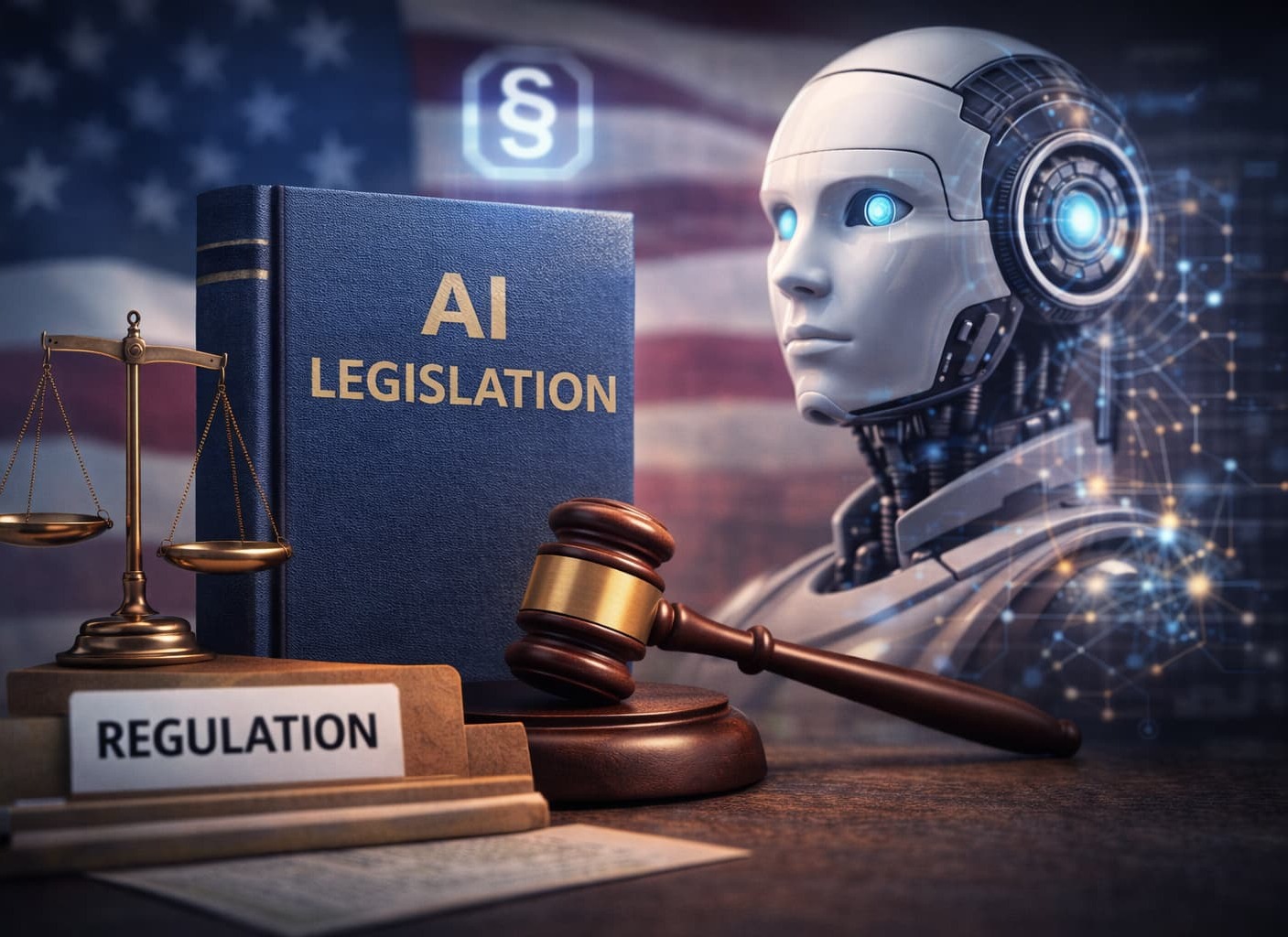
Regulating AI in Law: Who Writes the Rules for Machines of Justice?
From Brussels to New Delhi, governments are racing to set boundaries for AI in the legal profession.
Global inconsistencies create challenges for law firms navigating cross-border compliance.
By Vishwas Kumar
New Delhi: May 28, 2026:
Introduction: The Governance Puzzle
Artificial intelligence is transforming legal practice, but its rapid adoption has outpaced regulation. Governments worldwide are scrambling to establish frameworks that balance innovation with accountability. For law firms, navigating these evolving rules is both a challenge and an opportunity. This article explores how different jurisdictions are regulating AI in law, the implications for global practice, and the future of governance in an algorithm-driven legal world.
The Bharti Cellular Limited (Now Bharti Airtel Limited) judgment is a notable legal reference for understanding the interpretation of commercial laws, regulatory frameworks, and the rights and obligations of businesses operating in highly regulated sectors. The case provides important insights into statutory compliance, corporate governance, and the role of judicial review in resolving disputes involving regulatory authorities and private enterprises. Lawyers, corporate professionals, law students, and legal researchers can study this judgment to better understand how Indian courts address complex commercial issues, apply legal precedents, and balance business interests with regulatory objectives.
Section 1: Why Regulation Matters
- High Stakes: AI influences case outcomes, contract reviews, and compliance monitoring.
- Risks: Bias, lack of transparency, and data privacy breaches.
- Public Trust: Regulation ensures accountability and safeguards justice.
Section 2: The EU Approach — The AI Act
- Classification System: AI categorized by risk (minimal, limited, high, unacceptable).
- Legal Sector Impact: High-risk applications like judicial AI face strict requirements.
- Transparency Mandates: Firms must disclose when AI is used in legal services.
- Penalties: Non-compliance can lead to heavy fines across EU member states.
Section 3: The US Approach — Fragmented but Pragmatic
- Sector-Specific Rules: No single federal AI law; regulation varies by industry.
- State-Level Initiatives: California and New York exploring AI accountability frameworks.
- Legal Practice Impact: Firms must navigate overlapping state and federal guidelines.
- Debate: Balancing innovation with consumer protection.
Section 4: India’s Approach — Data Privacy First
- DPDP Act, 2023: Focuses on safeguarding personal data in AI systems.
- Judicial Experiments: Courts exploring AI for judgment summaries under ethical oversight.
- Corporate Adoption: Firms integrating AI tools while ensuring compliance with privacy mandates.
- Future Outlook: India likely to expand AI-specific regulations beyond data privacy.
Section 5: Global Challenges for Law Firms
- Cross-Border Compliance: Multinational firms face inconsistent regulations.
- Operational Complexity: Different jurisdictions impose varying disclosure requirements.
- Risk Management: Firms must invest in compliance teams and AI audits.
- Competitive Pressure: Firms that adapt quickly gain client trust and market advantage.
Section 6: Ethical & Governance Dimensions
- Accountability: Who is liable when AI makes a mistake?
- Transparency: Mandatory disclosure of AI use in legal services.
- Bias Mitigation: Regulations require audits to prevent discriminatory outcomes.
- Professional Responsibility: Lawyers must validate AI outputs before relying on them.
Section 7: The Future of AI Regulation in Law
- Global Harmonization: Moves toward international standards for AI governance.
- Hybrid Oversight: AI monitored by both regulators and professional associations.
- Client Expectations: Transparency will become a competitive differentiator.
- Innovation vs. Control: Striking the balance will define the next decade of legal practice.
Conclusion: Writing the Rulebook for Algorithmic Justice
AI regulation in law is still evolving, with the EU leading, the US experimenting, and India focusing on privacy. For law firms, the challenge lies in navigating this patchwork of rules while maintaining efficiency and trust. The future of governance will require global collaboration, ethical innovation, and a commitment to keeping justice human-centered, even in an AI-driven era.
FAQs
Q1: Why is AI regulation important in law?
Because AI influences case outcomes, compliance, and client trust, regulation ensures fairness and accountability.
Q2: How does the EU regulate AI in law?
Through the AI Act, which classifies AI systems by risk and imposes strict requirements on high-risk applications.
Q3: What is India’s focus in AI regulation?
Data privacy, through the Digital Personal Data Protection Act, 2023, with growing attention to judicial and corporate AI use.
Q4: Why is the US approach considered fragmented?
Because regulation varies by state and sector, with no single federal AI law.
Q5: What challenges do law firms face with global AI regulation?
Cross-border compliance, operational complexity, and the need for transparency across jurisdictions.