
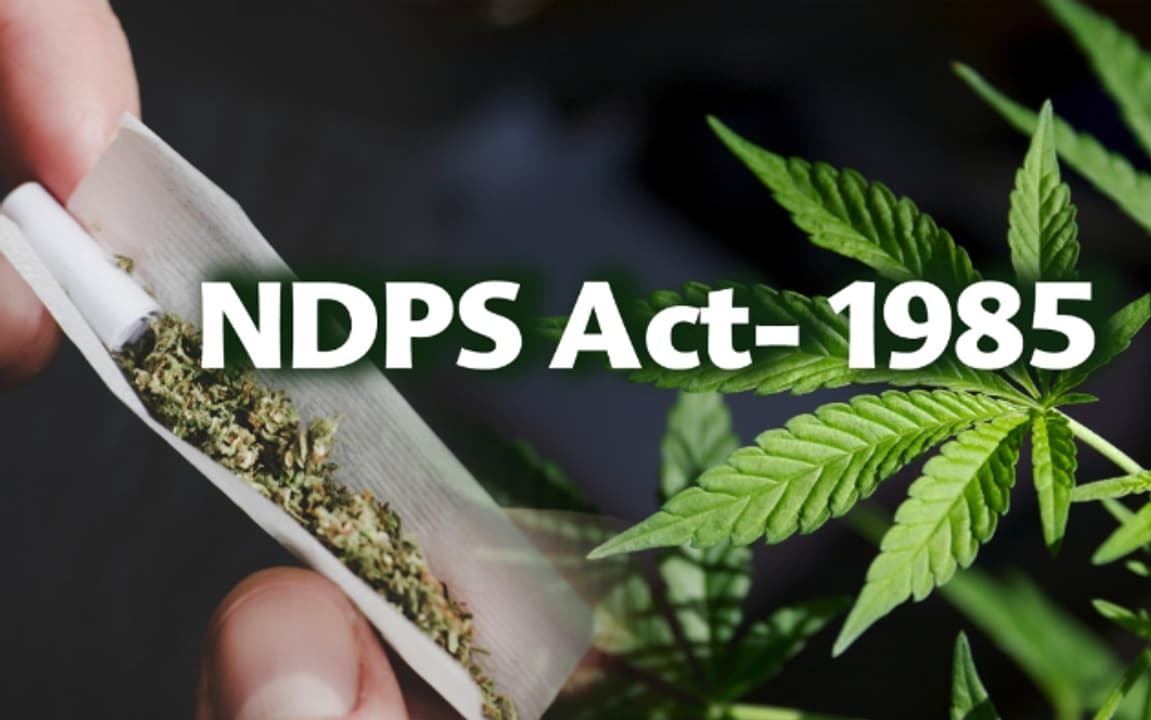
Punjab & Haryana High Court: Confiscated Vehicles Under NDPS Act Can Be Released on Bonds
Court Warns Against Mechanical Rejection of Release Applications
Environmental and Financial Losses Highlighted in Landmark Ruling
By Our Legal Correspondent
New Delhi: June 09, 2026:
The Punjab & Haryana High Court has ruled that vehicles seized under the NDPS Act should not be left to rot in police compounds but can be released on financial bonds during trial or appeal. This ensures preservation of value, prevents environmental waste, and balances the rights of owners with the State’s interest in confiscation.
Case Background
- Case: Gurjinder Singh v. State of Punjab & Anr.
- Date: June 7, 2026
- Bench: Justice Anoop Chitkara and Justice Sukhvinder Kaur.
- Facts: A truck carrying 252.6 kg of poppy husk was seized. The trial court convicted the occupants and the registered owner under Sections 15, 25, 27A, and 29 NDPS Act, ordering confiscation of the truck.
- Appeal: Pending before High Court; applicant sought interim release of truck on financial bonds.
- Decision: Court allowed release, stressing that prolonged retention reduces vehicles to scrap and causes financial/environmental harm.
Key Legal Principles
1. Sections 60 & 63 NDPS Act – Confiscation
- Confiscation is linked to final adjudication of criminal liability.
- Vehicles can only be permanently confiscated after trial and appeal.
2. Section 52A NDPS Act – Evidence Preservation
- Allows preparation of inventories, photographs, and videography of seized property.
- Ensures evidence is preserved without keeping vehicles idle.
3. BNSS 2023 (Successor to CrPC)
- Section 497 permits interim custody of property on bonds.
- Recognizes that perishable and movable items should not be wasted.
4. Supreme Court Precedents
- Sunderbhai Ambalal Desai v. State of Gujarat (2002) – No utility in keeping vehicles in police stations for years.
- Bishwajit Dey v. State of Assam (2025) – Confiscation only after trial conclusion.
- Basavva Kom Dyamangouda Patil v. State of Mysore (1977) – Courts must balance evidentiary needs with property rights.
Analytical Insights
- Judicial Pragmatism: The Court recognized that keeping vehicles idle harms all stakeholders—owners, financiers, and the State.
- Environmental Concerns: Idle vehicles deteriorate into scrap, wasting resources and increasing carbon footprint.
- Balanced Mechanism: Financial bonds ensure that if confiscation is upheld later, the State recovers full value with interest.
- Guidance to Lower Courts: District judiciary instructed not to reject release applications mechanically.
FAQ – Quick Legal Understanding
Q1. Can confiscated vehicles under NDPS Act be released?
Yes, they can be released on financial bonds pending trial or appeal.
Q2. What is a financial bond in this context?
It is a guarantee that if confiscation is upheld, the owner pays the vehicle’s market value plus interest.
Q3. Why did the Court allow release?
Because prolonged retention reduces vehicles to scrap, causing financial and environmental loss.
Q4. Does release affect evidence?
No. Evidence can be preserved through inventories, photographs, and FSL reports under Section 52A NDPS Act.
Q5. What safeguards are imposed?
Owners must furnish personal bonds and solvent sureties equal to vehicle’s market value with 6% annual interest.
Q6. Can released vehicles be sold or transferred?
Yes, subject to continuation of financial bonds and compliance with legal requirements.
Q7. What guidance did the Court give to trial courts?
Not to reject release applications mechanically; each case must be considered on merits.
Conclusion
The Punjab & Haryana High Court’s ruling is a landmark in NDPS jurisprudence, ensuring that confiscated vehicles are released on financial bonds rather than left to deteriorate. By balancing evidentiary needs with property rights and environmental concerns, the Court has set a progressive precedent that protects owners, financiers, and the State alike. This judgment will guide trial courts across India in handling seized vehicles more pragmatically and sustainably.