
Property Succession After Death: Legal Steps to Avoid Family Disputes
Will validation and succession laws explained
Mutation and documentation key to smooth transfer
By Legal Reporter
New Delhi: May 15, 2026:
When a property owner passes away, clarity in succession and documentation is crucial to prevent family disputes. Indian succession laws, probate requirements, and property mutation processes play a central role in ensuring smooth transfer of ownership. Early steps like checking for a will, obtaining a death certificate, and updating records can save families years of litigation.
Property disputes are among the most common causes of family conflict in India after the death of an owner. The absence of clear documentation or a valid will often leads to prolonged litigation. The recent guidance emphasizes simple but legally significant steps that can prevent such disputes.
Step 1: Check for a Will
- Importance of a Will: A registered or notarized will clarifies distribution of assets.
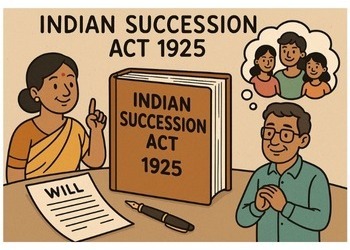
- Probate Requirement: In certain jurisdictions (like Mumbai, Chennai, Kolkata), wills must be probated under the Indian Succession Act, 1925 to confirm authenticity.
- Legal Effect: Once probated, the will becomes binding, reducing scope for disputes.
Step 2: Succession Laws in Absence of Will
If no will exist, property devolves according to personal succession laws:
- Hindu Succession Act, 1956: Property passes to Class I heirs (spouse, children, mother).
- Muslim Personal Law: Inheritance follows fixed shares under Shariat.
- Indian Succession Act (for Christians, Parsis): Provides statutory distribution among heirs.
Obtaining a legal heir certificate or succession certificate is essential to establish rightful claim.
Step 3: Documentation
- Death Certificate: Mandatory for initiating any transfer.
- Property Papers: Sale deed, tax receipts, and prior ownership records must be consolidated.
- Heir Certificate: Confirms legal heirs for mutation and financial claims.
Missing documents are a leading cause of delays and disputes.
Step 4: Mutation of Property Records
- Mutation Process: Updating municipal or revenue records to reflect new ownership.
- Legal Significance: Mutation ensures smooth future transactions like sale or mortgage.
- Without Mutation: Ownership disputes may arise during resale or bank loan processing.
Step 5: Address Loans and Liabilities
- Outstanding Loans: Property loans do not extinguish upon death. Legal heirs must settle dues.
- Encumbrances: Any pending dues (property tax, utility bills) should be cleared to avoid complications.
Step 6: Family Consensus
Even with legal clarity, disputes often arise from lack of communication. Families should:
- Discuss whether property will be shared, sold, or retained.
- Document agreements to avoid misunderstandings.
Step 7: Professional Assistance
Complex cases involving multiple properties, unclear ownership, or missing documents require legal advice. Consulting a property lawyer or succession expert ensures compliance with statutory requirements.
FAQs on Property Succession After Death
Q1: What is probate and when is it required?
Probate is a court process validating a will under the Indian Succession Act, 1925. It is mandatory in certain jurisdictions like Mumbai, Chennai, and Kolkata.
Q2: What happens if there is no will?
Property devolves under succession laws—Hindu Succession Act, Muslim Personal Law, or Indian Succession Act depending on religion.
Q3: What is mutation of property?
Mutation is updating municipal or revenue records to reflect new ownership. It is essential for future transactions.
Q4: What documents are needed for succession?
Death certificate, property papers, and heir certificate are mandatory for transfer and mutation.
Q5: Can loans on property be ignored after death?
No. Legal heirs inherit both assets and liabilities. Outstanding loans must be settled.
Q6: How can family disputes be minimized?
By early communication, clear documentation, and legal validation of wills or succession certificates.
Conclusion
Property succession after death is not just a matter of inheritance but of legal compliance. By ensuring a valid will, obtaining necessary certificates, updating records, and addressing liabilities, families can prevent disputes and safeguard harmony. The law provides clear frameworks, but timely action and transparency remain the most effective tools against conflict.