
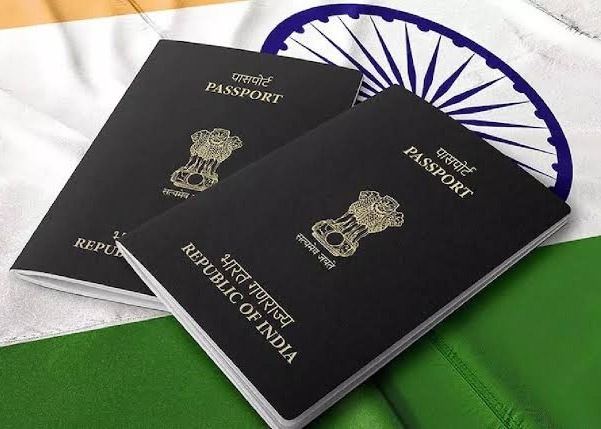
Passport Not Proof of Citizenship: Centre Reiterates Legal Position
Amid Debate, MEA cites Passports Act, 1967 and Bombay HC ruling
Citizenship determined under Citizenship Act, 1955, not identity documents
By Legal Reporter
New Delhi: June 25, 2026:
The Ministry of External Affairs (MEA) has clarified that an Indian passport is a travel document and not conclusive proof of citizenship. This statement, made during Passport Seva Divas 2026, has triggered political debate and public confusion, with the government citing the Passports Act, 1967, and past court rulings to reinforce that citizenship is determined under the Citizenship Act, 1955—not by possession of a passport.
1. Background of the Clarification
The MEA stated that while passports are issued to Indian citizens, they are primarily travel documents enabling international mobility.
This clarification came during a briefing on India’s expanding passport ecosystem, including chip-enabled e-passports and mobility agreements.
Opposition leaders and public figures criticized the statement, questioning how ordinary Indians can conclusively prove citizenship.
2. Key Legal Frameworks
a) Passports Act, 1967 – Section 20
Empowers the government to issue passports to non-citizens in public interest.
Demonstrates that possession of a passport is not definitive proof of citizenship.
b) Citizenship Act, 1955
Governs acquisition of citizenship through birth, descent, registration, naturalisation, or incorporation of territory.
Citizenship is determined by eligibility and supporting documents, not by a single identity card.
c) Supreme Court Observations on Aadhaar (2026)
Aadhaar is an identity document, not proof of citizenship.
Voter ID and PAN cards similarly establish identity or eligibility but not nationality.
d) Bombay High Court Ruling (2013)
Held that possession of a passport does not establish citizenship.
Reinforced by government’s recent clarification.
3. Judicial and Political Reactions
Kapil Sibal (Rajya Sabha MP): Warned that such interpretations could affect voting rights.
Javed Akhtar: Called the statement “absurd.”
Government Response: Clarified that this is not a new policy but a reiteration of settled law.
4. Implications
For Citizens: Need to rely on birth certificates, citizenship certificates, or other records under the Citizenship Act.
For Governance: May affect electoral roll verification and NRC/CAA debates.
For International Relations: Clarification ensures foreign governments understand passports as travel documents, not citizenship certificates.
5. Comparative Perspective
US & UK: Passports serve as strong evidence of nationality but can be revoked if obtained fraudulently.
India: Similar principle—passport is evidence but not conclusive proof.
6. Analytical Insights
The clarification highlights legal precision vs public perception.
Citizens often equate passports with nationality, but law distinguishes between identity evidence and citizenship determination.
The debate underscores the need for a national citizenship register or standardized documentation.
FAQ Section (Approx. 700 words)
Q1: Why is a passport not proof of citizenship?
Because under the Passports Act, 1967, passports can be issued to non-citizens in public interest, and citizenship is determined under the Citizenship Act, 1955.
Q2: What documents prove Indian citizenship?
Birth certificates (depending on date and parentage).
Citizenship certificates issued under the Citizenship Act.
Naturalisation or registration documents.
Q3: Is Aadhaar proof of citizenship?
No. Aadhaar is an identity document, not nationality proof.
Q4: Is voter ID proof of citizenship?
No. It establishes eligibility to vote but does not conclusively prove citizenship.
Q5: What did the Supreme Court say about Aadhaar?
That Aadhaar is only proof of identity and residence, not citizenship.
Q6: What is Section 20 of the Passports Act?
It allows issuance of passports to non-citizens in public interest, proving passports are not definitive proof of citizenship.
Q7: What did the Bombay High Court rule in 2013?
That possession of a passport alone does not establish citizenship.
Q8: How is citizenship acquired under Indian law?
Through birth, descent, registration, naturalisation, or incorporation of territory under the Citizenship Act, 1955.
Q9: Does this affect voting rights?
Potentially, if citizenship verification becomes stricter. Critics argue it could impact electoral rolls.
Q10: What reforms are needed?
Clear national citizenship documentation.
Public awareness campaigns.
Harmonization of identity and citizenship records.
Conclusion
The MEA’s clarification that passports are not proof of citizenship reiterates a long-standing legal position under the Passports Act, 1967 and Citizenship Act, 1955. While passports remain strong evidence of nationality, they are not conclusive proof. This distinction is crucial for governance, electoral integrity, and international mobility, but it also highlights the urgent need for a standardized national citizenship documentation framework.