
Income Tax Regimes 2025: Old vs New – Which Works for You?
Deductions vs Simplicity: Choosing Between Two Systems
Age-Based Exemptions Still Matter in the Old Regime
By Vishwas Kumar
New Delhi: April 16, 2026:
The most searched personal tax in India is the annual Income Tax on individuals, especially the comparison between the Old and New Regimes for FY 2025–26. The choice of regime directly impacts tax liability, deductions, and exemptions, making it the most critical decision for salaried and self-employed taxpayers.
In disputes relating to inheritance, family property, and succession rights, courts have consistently emphasized lawful entitlement and clear proof of ownership. A significant ruling in this context is Yumnam Ongbi Tampha and Ibemma Devi vs. Yumnam Joykumar Singh , where the Supreme Court examined critical aspects of succession disputes and family property rights. This judgment is highly relevant for understanding how courts resolve inheritance conflicts under Indian law.
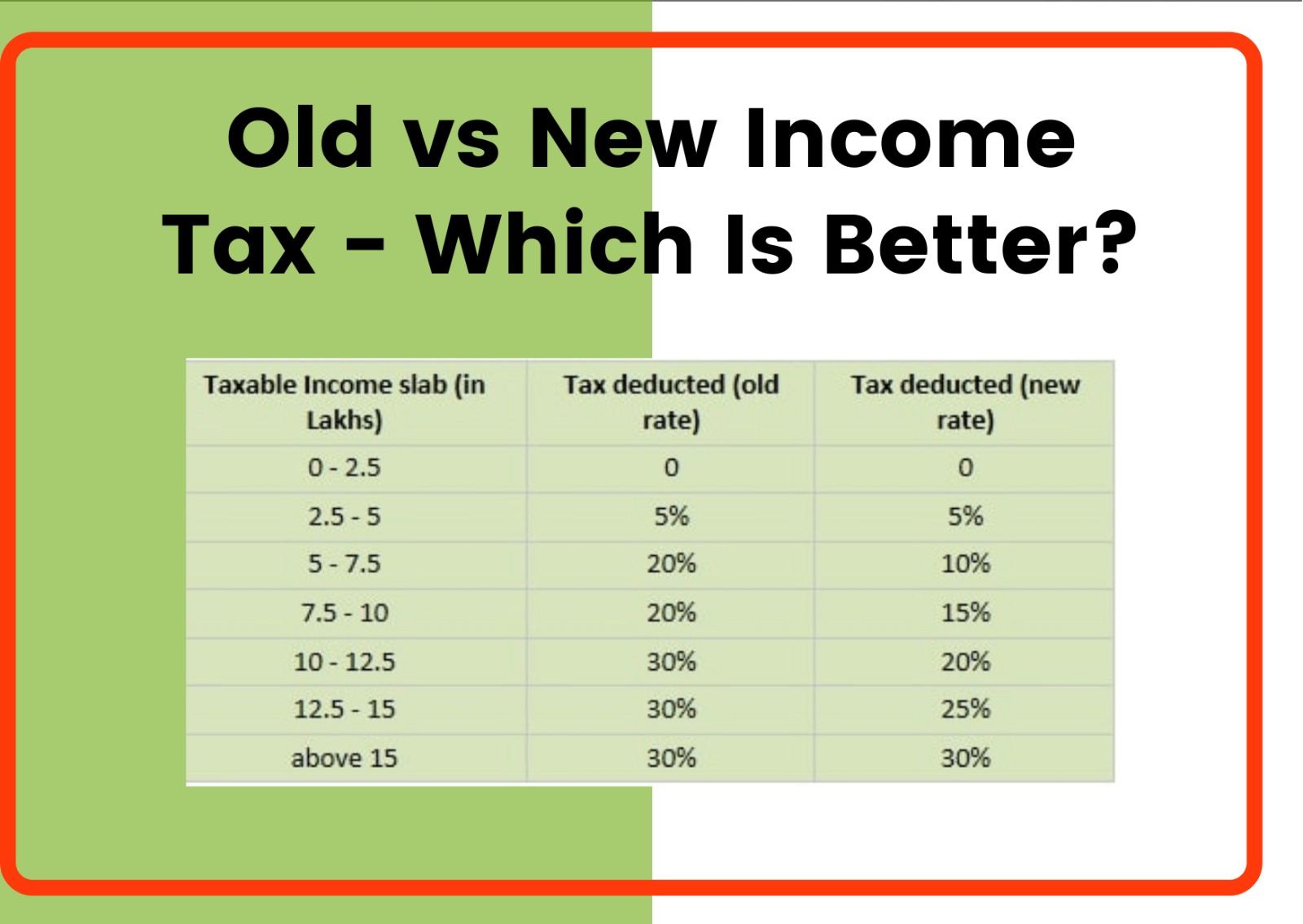
India’s personal income tax system offers two parallel regimes: the Old Regime, rich in deductions and exemptions, and the New Regime, designed for simplicity with lower rates but fewer tax breaks. With the New Regime becoming the default from FY 2025–26, taxpayers must carefully evaluate which system minimizes their liability while aligning with their financial planning.
Analytical Overview
1. Old Regime Highlights
- Exemption limits:
- ₹2.5 lakh for individuals below 60
- ₹3 lakh for senior citizens (60–80 years)
- ₹5 lakh for super senior citizens (80+)
- Maximum tax rate: 30% above ₹10 lakh.
- Deductions available:
- Section 80C (₹1.5 lakh for EPF, PPF, ELSS, LIC, NPS, etc.)
- Section 80D (health insurance premiums)
- HRA exemption, home loan interest (Sec 24), education loan interest (Sec 80E), donations (Sec 80G).
2. New Regime Highlights
- Default regime under Section 115BAC.
- Simplified slabs: Lower rates spread across income bands.
- No deductions allowed: Most exemptions (HRA, 80C, 80D, etc.) are forgone.
- Standard deduction: ₹50,000 for salaried taxpayers.
- Rebate under Section 87A: Available for income up to ₹7 lakh, making tax liability zero.
3. Key Decision Factors
- High deductions claimed? Old Regime is better.
- Minimal deductions or straightforward salary? New Regime likely reduces tax burden.
- Age matters: Senior citizens benefit more under Old Regime due to higher exemption limits.
Quick Comparison Table
| Feature | Old Regime | New Regime |
|---|---|---|
| Basic exemption | ₹2.5–5 lakh (age-based) | ₹3 lakh (uniform) |
| Max tax rate | 30% above ₹10 lakh | 30% above ₹15 lakh |
| Deductions | Multiple (80C, 80D, HRA, etc.) | Limited (standard deduction only) |
| Complexity | High (requires planning) | Low (straightforward slabs) |
| Best for | Taxpayers with investments & loans | Salaried with fewer deductions |
[RESEARCH RESOURCES]
Indian courts have laid down clear principles governing wills, probate, and testamentary succession, particularly in cases involving suspicious circumstances and proof of execution. To understand these legal standards in depth, you can explore this detailed collection of 123 Supreme Court Judgments on Wills , which compiles the most important rulings on validity, attestation, and genuineness of wills under Indian law.
EXTRACTS FROM BOOK, WILL WRITING SIMPLIFIED, By Dr Ravinder Kumar Anand. [📘 Buy Will Writing Simplified online: Amazon | Flipkart ]
FAQs on OLD Vs NEW Tax System
Q1. Which regime is default from FY 2025–26?
The New Regime under Section 115BAC is the default.
Q2. Can I still opt for the Old Regime?
Yes, but you must actively choose it while filing returns.
Q3. Who benefits most from the Old Regime?
Individuals with significant deductions (EPF, PPF, home loan, insurance).
Q4. Who benefits most from the New Regime?
Salaried taxpayers with fewer deductions and straightforward income.
Q5. What is the rebate limit under Section 87A?
Income up to ₹7 lakh under the New Regime attracts zero tax after rebate.
Q6. Do senior citizens lose benefits under the New Regime?
Yes, age-based higher exemption limits apply only in the Old Regime.
Q7. Can I switch regimes every year?
Yes, individuals can choose annually, but business owners have restrictions.
Conclusion
The choice between Old and New Regimes is not one-size-fits-all. Taxpayers with substantial deductions should stick to the Old Regime, while those with minimal exemptions benefit from the New Regime’s simplicity. With the New Regime now default, proactive planning is essential to avoid paying more than necessary.