
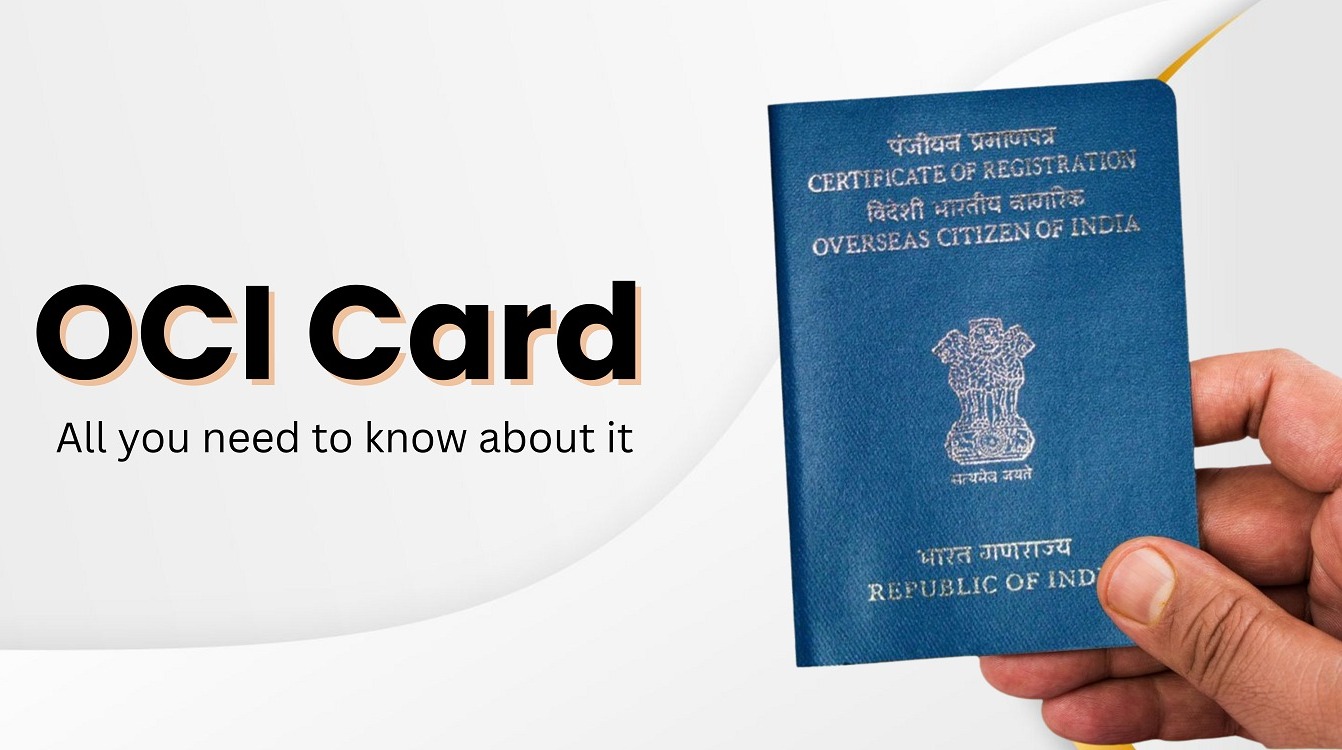
Centre Digitises Citizenship Rules: OCI Registration Goes Online
New safeguards for minors and stricter compliance norms
Appeal rights and biometric fast-track immigration introduced
By Legal Reporter
New Delhi: May 01, 2026:
India has notified sweeping changes to the Citizenship Rules, 2009, through the Citizenship (Amendment) Rules, 2026, with a strong focus on digitizing Overseas Citizen of India (OCI) registration and renunciation processes. The reforms streamline applications, introduce e-OCI, and clarify rules for minors, while also strengthening review and appeal mechanisms.
For a clearer understanding of how Indian courts resolve inheritance disputes and determine rightful ownership in family property matters, this significant ruling in Adivekka vs Hanamavva highlights key principles of succession law, legal heirship, and judicial evaluation of evidence in partition and property disputes.
Analytical Overview
The Union Home Ministry’s notification of the Citizenship (Amendment) Rules, 2026 marks a significant shift in India’s citizenship and OCI framework. These changes modernize processes, enhance transparency, and tighten compliance requirements.
1. Background: Citizenship Act & OCI Scheme
- The Citizenship Act, 1955 governs acquisition and termination of Indian citizenship.
- The OCI scheme, introduced in 2005, allows Persons of Indian Origin (PIOs) to register as Overseas Citizens of India, provided they or their ancestors were citizens of India after January 26, 1950.
- Importantly, individuals with Pakistani or Bangladeshi lineage remain ineligible.
2. Key Amendments in 2026
- Digital Applications: All OCI registrations and renunciations must now be filed electronically via ociservices.gov.in (ociservices.gov.in in Bing). Paper-based submissions are discontinued.
- e-OCI Introduction: Applicants may be issued either a physical card or an electronic registration. The government will maintain a digital register of OCI holders.
- Renunciation & Cancellation: Individuals must surrender their physical OCI card upon renunciation or cancellation. Even if not surrendered, the government can declare it cancelled in official records.
- Minor Children Clause: A new proviso mandates that a minor child cannot hold a foreign passport while simultaneously holding an Indian passport. This closes loopholes in dual documentation.
- Biometric Consent: Applicants opting for the Fast Track Immigration Programme must consent to biometric data collection, enabling quicker processing in future.
- Appeals & Review: Rejected applications can now be challenged before an authority “one rank higher” than the original decision-maker. Section 15A reviews (naturalisation cases) must provide a reasonable opportunity to be heard.
3. Implications
- Efficiency Gains: Electronic filing reduces duplication and delays, while e-OCI enhances portability.
- Compliance Tightening: The minor passport clause ensures stricter adherence to single nationality principles.
- Rights Protection: The appeal and hearing provisions strengthen procedural fairness, aligning with constitutional guarantees of natural justice.
- Global Diaspora Impact: Millions of OCI cardholders worldwide will benefit from streamlined services, though stricter compliance may affect families with complex nationality situations.
4. Legal Context
- The reforms also align with India’s broader Digital Governance push, embedding biometric and online systems into citizenship administration.
FAQ: Citizenship Rules & OCI (2026)
Q1. What is the OCI scheme?
The Overseas Citizen of India scheme allows Persons of Indian Origin to register as OCI cardholders, granting them multiple-entry, lifelong visa and certain rights, but not full citizenship.
Q2. Who is ineligible for OCI?
Individuals with Pakistani or Bangladeshi ancestry (parents, grandparents, or great-grandparents) cannot register.
Q3. What has changed in 2026?
- Applications and renunciations are now fully online.
- Introduction of e-OCI digital registration.
- Mandatory biometric consent for fast-track immigration.
- Stronger appeal and review rights.
- Minor children cannot hold dual passports.
Q4. How do I renounce OCI status?
Submit an online declaration and surrender the physical card to the nearest Indian Mission or FRRO. If not surrendered, the government can still cancel the status.
Q5. What happens if my OCI application is rejected?
You can appeal to an authority one rank higher than the original decision-maker, with a guaranteed right to be heard.
Q6. Does OCI grant Indian citizenship?
No. OCI provides residency and travel benefits but does not confer political rights such as voting or holding constitutional office.
In essence, the 2026 amendments modernize India’s citizenship administration, balancing efficiency with stricter compliance. While diaspora communities gain from digital ease, the reforms also underline India’s cautious approach to nationality and security.