
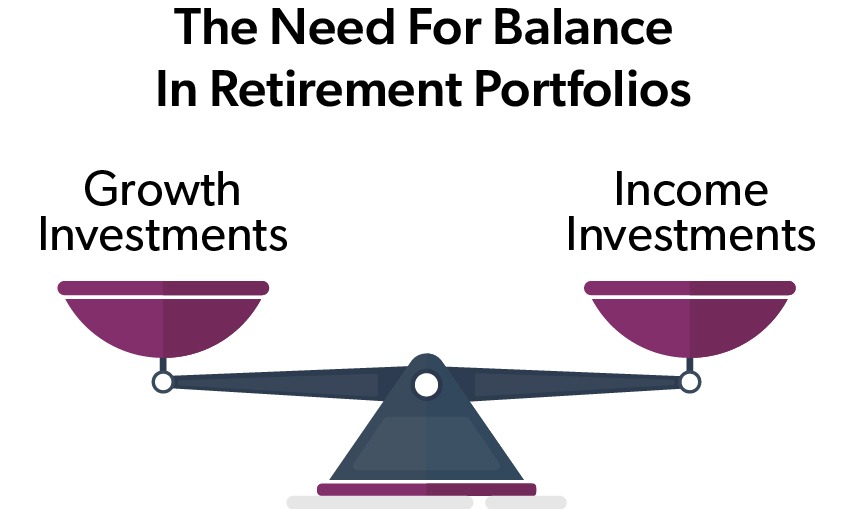
Retirement Portfolio Mix: Balancing NPS and PPF Across Age Groups
Equity Exposure vs Guaranteed Returns
Why Age Determines the Right Allocation
By Vishwas Kumar
New Delhi: April 18, 2026:
Retirement planning is not a one-size-fits-all exercise. The right mix of instruments depends heavily on age, risk appetite, and financial goals. Two of the most popular tax-efficient retirement tools in India are the National Pension System (NPS) and the Public Provident Fund (PPF). While NPS offers market-linked growth with an additional tax deduction under Section 80CCD(1B), PPF provides guaranteed returns under Section 80C. Understanding how to allocate between them across different age groups is crucial for building a resilient retirement corpus.
NPS: Growth-Oriented Pension
NPS allows equity exposure, which can generate higher returns over the long term. It also provides:
- Tax benefits: ₹1.5 lakh under Section 80C/80CCD(1) plus ₹50,000 under Section 80CCD(1B).
- Flexibility: Choice of fund managers and allocation between equity, corporate bonds, and government securities.
- Retirement lock-in: Funds are accessible only at age 60, ensuring discipline.
[Explore will law judgments list here. Click the link here: https://www.courtkutchehry.com/pages/blog/123-supreme-court-judgments-on-wills/]
PPF: Stability and Safety
PPF is a government-backed scheme offering fixed interest rates, typically between 7–8%. Its features include:
- Tax benefits: Contributions up to ₹1.5 lakh under Section 80C.
- Guaranteed returns: Fully tax-free at maturity.
- Lock-in period: 15 years, with partial withdrawals after 7 years.
PPF is ideal for conservative investors who prioritize safety overgrowth.
Suggested Portfolio Mix by Age Group
|
Age Group |
NPS Allocation |
PPF Allocation |
Reasoning |
|
25–35 years |
70% |
30% |
Younger investors can afford higher equity exposure in NPS, leveraging long-term compounding and volatility tolerance. PPF provides a safety cushion. |
|
36–45 years |
60% |
40% |
Mid-career individuals balance growth with stability. NPS remains dominant, but PPF ensures guaranteed returns for diversification. |
|
46–55 years |
50% |
50% |
As retirement nears, risk appetite declines. Equal allocation reduces volatility while maintaining growth potential. |
|
56–60 years |
30% |
70% |
At this stage, capital preservation is key. PPF’s guaranteed returns dominate, while NPS continues with limited exposure for tax benefits. |
Explanation and Reasons
- Risk Appetite Declines with Age
Younger investors can tolerate market fluctuations, making NPS’s equity exposure valuable. As age increases, stability becomes more important, hence a higher PPF allocation. - Tax Efficiency
NPS offers an additional ₹50,000 deduction under Section 80CCD(1B), making it attractive for those in higher tax brackets. PPF, while limited to Section 80C, ensures tax-free maturity. - Corpus Building vs Preservation
In early years, the focus is on corpus building through growth-oriented instruments like NPS. Near retirement, the focus shifts to preserving wealth, where PPF plays a stronger role. - Liquidity Considerations
PPF allows partial withdrawals after 7 years, offering some flexibility. NPS, however, enforces discipline by locking funds until retirement. This makes PPF more useful in later years when liquidity needs may arise. - Inflation Hedge
NPS’s equity exposure helps beat inflation over decades, while PPF’s fixed returns may lag. Hence, younger investors should lean more on NPS.
[RESEARCH RESOURCES]
BUY & READ BOOK, WILL WRITING SIMPLIFIED, By Dr Ravinder Kumar Anand. [📘 Buy Will Writing Simplified online: Amazon | Flipkart ]
FAQ: Retirement Portfolio Mix
Q1. Can I invest in both NPS and PPF simultaneously?
Yes, both are independent schemes. You can claim deductions under Section 80C for PPF and under Section 80C + 80CCD(1B) for NPS.
Q2. Why should younger investors prefer NPS?
Because equity exposure in NPS offers higher long-term returns, and younger investors can withstand volatility.
Q3. Is PPF better for older investors?
Yes, as retirement nears, guaranteed returns and safety become more important than growth.
Q4. What is the maximum tax benefit from combining both?
Up to ₹2 lakh (₹1.5 lakh under Section 80C + ₹50,000 under Section 80CCD(1B)).
Q5. Can self-employed individuals follow this mix?
Yes, both salaried and self-employed individuals can invest in NPS and PPF.
Q6. Is NPS riskier than PPF?
Yes, NPS is market-linked, while PPF offers guaranteed returns.
Q7. What happens to NPS at retirement?
60% of the corpus can be withdrawn tax-free, while 40% must be used to buy an annuity, which is taxable.
Q8. Should I change the mix as I age?
Yes, gradually shift from NPS-heavy to PPF-heavy allocation to balance growth and safety.
Key Takeaway
A smart retirement portfolio blends both NPS and PPF. Younger investors should lean on NPS for growth and tax benefits, while older investors should prioritize PPF for stability. Adjusting the mix with age ensures a balance between wealth creation and wealth preservation, securing financial independence in retirement.