
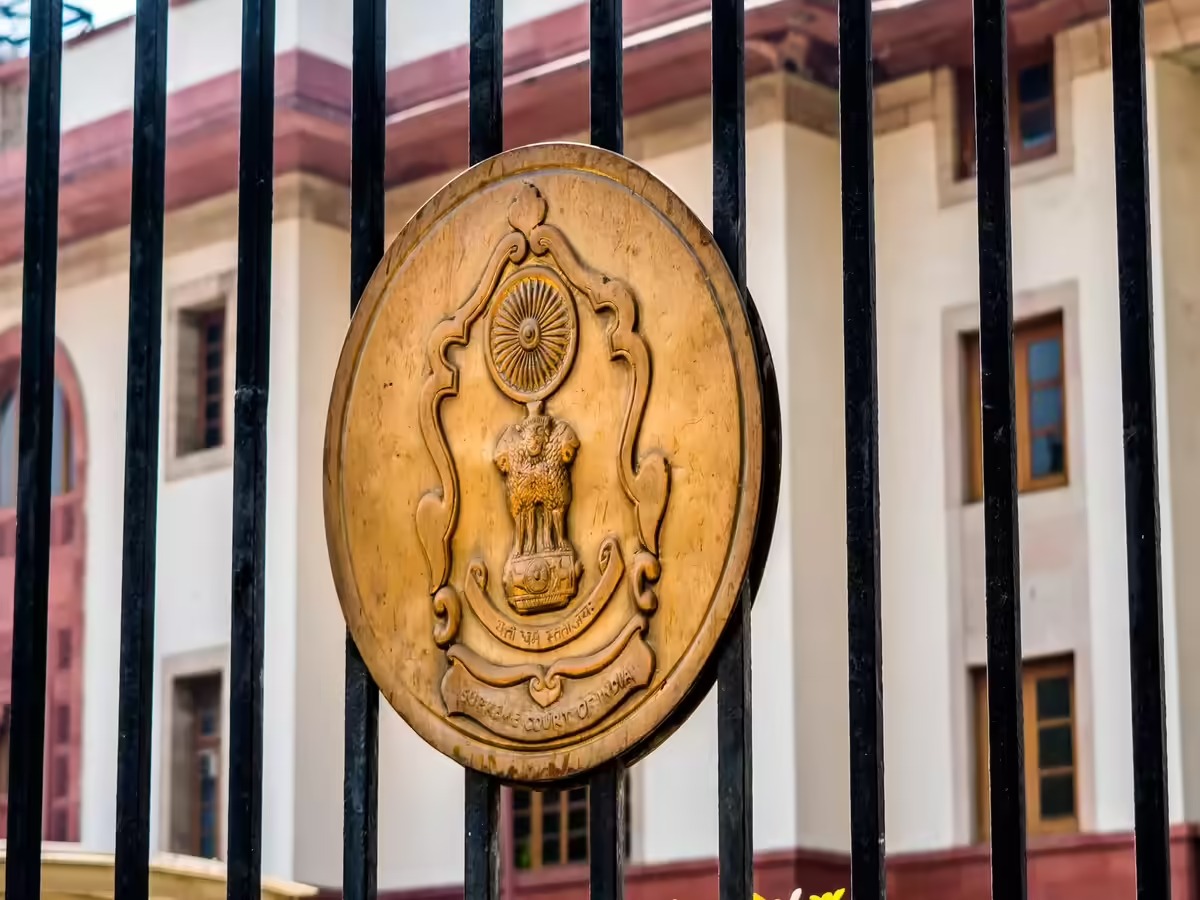
COURTKUTCHEHRY SPECIAL SERIES ON LANDMARKS JUDGEMENTS ON WILLS, CODICIL & PROBATE
Meenakshiammal (Dead) through LRs & Others v. Chandrasekaran & Another: Supreme Court Upholds Genuine Will of Siva
Forgery Allegations and Claims of Undue Influence Rejected
Plaintiffs’ Appeal Dismissed, Testamentary Intent Respected
By Vishwas Kumar
New Delhi: March 25, 2026:
In Meenakshiammal (Dead) through LRs & Others v. Chandrasekaran & Another (Civil Appeal No. 1387 of 1999, decided on 3 November 2004), the Supreme Court of India delivered a decisive ruling on the genuineness of a disputed Will. The plaintiffs had alleged that the Will executed by Siva was forged and the product of undue influence, while the defendants maintained that it was validly executed and attested.
see complete guide on will judgments of meenakshiammal case
The trial court had upheld the Will, finding that Siva was of sound mind and had voluntarily executed the document. The plaintiffs, however, argued that the exclusion of their names was unnatural and indicative of manipulation. They also claimed forgery.
The Division Bench, comprising Hon’ble Mr. Justice Ashok Bhan and Hon’ble Mr. Justice S.H. Kapadia, rejected these arguments. The Court noted that Siva had clear reasons to exclude the plaintiffs, who had neglected him during his lifetime. The defendants successfully proved execution and attestation through credible witnesses, while the plaintiffs failed to substantiate allegations of forgery or undue influence.
The Supreme Court held that the Will was genuine, voluntary, and legally valid. It emphasized that mere exclusion of certain heirs does not render a Will suspicious if the testator had rational grounds for doing so. Consequently, the plaintiffs’ appeal was dismissed, affirming the defendants’ rights under the Will.
This ruling reinforces the principle that testamentary freedom must be respected when a Will is duly executed and attested. It highlights the judiciary’s insistence on concrete proof for allegations of forgery or undue influence, ensuring that genuine testamentary intent is not undermined by speculative claims.
For More, Read Here the Summary of the Judgement from the Book: WILL WRITING SIMPLIFIED, read below or open page no 436, Chapter 14.1 in the book. (Online book purchase link available here on: Buy online: Amazon | Flipkart
|
|
Case Summary |
: |
Meenakshiammal (Dead) through LRs & Others v. Chandrasekaran & Another. |
|
|
Court |
: |
Supreme Court of India |
|
|
Citations |
: |
(2004) 11 SC CK 0050: Civil Appeal No. 1387 of 1999. |
|
|
Link |
: |
|
|
|
Decided on |
: |
03 November 2004 |
|
|
Coram |
: |
Hon’ble Mr. Justice Ashok Bhan and Hon’ble Mr. Justice S.H. Kapadia. |
|
|
Relevant Paragraphs |
: |
Para Nos.2–23 |
1. Facts of the Case:
One Velu Pillai had two wives. From the first wife, he had Kamakshi (daughter) and Siva (son); from the second wife, Sadasivam (son) and two daughters, Kaveri and Gnanambal. Siva died a bachelor on 6.11.1978. Plaintiffs children of Kamakshi claimed inheritance to Siva’s estate, contending they were the children of his real sister, whereas defendants were children of Siva’s step-brother and step-sister. Defendants set up a Will dated 19.10.1978 (Ex.B-8) allegedly executed by Siva bequeathing his properties equally to them. The trial court upheld the Will; the first appellate court reversed it as forged; the High Court restored the trial court’s decree. Hence, the appeal before the Supreme Court.
2. Law Points Involved:
(i). Onus of proof of Will under Sections 63 of the Indian Succession Act, 1925 and 68 of the Indian Evidence Act, 1872.
(ii). Duty of the propounder to dispel suspicious circumstances.
(iii). Effect of absence of specific pleadings of forgery or undue influence.
(iv). Scope of appellate interference with concurrent findings.
3. Acts / Provisions / Articles Referred:
(i). Indian Evidence Act, 1872 — Section 68
(ii). Indian Succession Act, 1925 — Section 63
4. Judgments Referred:
(i). Chinmoyee Saha v. Debendra Lal Saha, (1984) 07 CAL CK 0017.
https://www.courtkutchehry.com/judgements/857373/sm-chinmoyee-saha-vs-debendra-lal-saha-and-others]
(ii). Ryali Kameswara Rao v. Bendapudi Suryaprakasarao, (1960) 12 AP CK 0011.
(iii). Madhukar D. Shende v. Tarabai Aba Shedage, (2002) 01 SC CK 0024.
https://www.courtkutchehry.com/judgements/653626/madhukar-d-shende-vs-tarabai-aba-shedage/]
5. Obiter Dicta:
Suspicious circumstances must be inherent in the transaction and not arise merely from conflicting testimony. Proof of testamentary capacity and voluntary execution dispels suspicion; conjecture or supposition cannot dislodge legally proved facts. The Court’s conscience, not mere suspicion, is the touchstone.
6. Ratio Decidendi:
When there are no specific pleadings of forgery or undue influence and the propounder proves due execution and testamentary capacity, the Will stands valid. Suspicion alone cannot defeat a duly proved Will. The burden to prove undue influence or forgery lies upon the person alleging it.
7. Final Ruling:
The Supreme Court upheld the High Court’s judgment restoring the trial court decree. The Will dated 19.10.1978 (Ex.B-8) executed by Siva was genuine, duly executed, and validly attested. The appeal was dismissed with no order as to costs.
8. Gist (Dispute & Final Decision):
The dispute revolved around whether Siva’s Will was genuine or forged. The Court found Siva was of sound mind, executed the Will voluntarily, and had reasons to exclude plaintiffs (who neglected him). Defendants proved execution and attestation; plaintiffs failed to prove forgery or undue influence. Will held genuine plaintiffs’ appeal dismissed.
Read full Judgement Here:
Meenakshiammal (Dead) through LRs & Others v. Chandrasekaran & Another.
Supreme Court of India
(2004) 11 SC CK 0050: Civil Appeal No. 1387 of 1999.
You Can Also Purchase the Book from here on: Buy online: Amazon | Flipkart
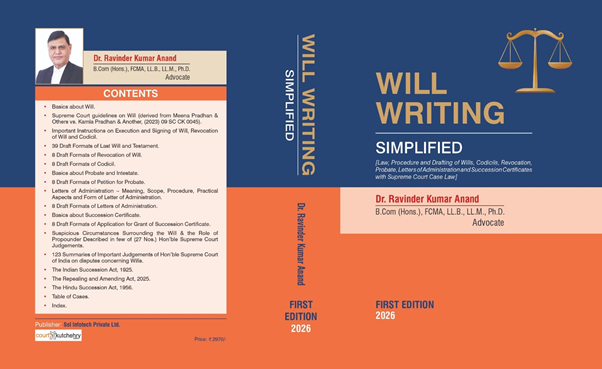
OUR RECOMMENDATION: Check out 123 Key Judgements, as highlighted in the book, WILL WRITING SIMPLIFIED, for the quick research and reference purposes. Click the link here: https://www.courtkutchehry.com/pages/blog/123-supreme-court-judgments-on-wills/
Keywords for SEO & Quick Search
- Meenakshiammal v. Chandrasekaran case
- Supreme Court probate judgment 2004
- Siva’s Will dispute India
- Forgery and undue influence in Will cases
- Civil Appeal No. 1387 of 1999 judgment
- Justice Ashok Bhan and Justice S.H. Kapadia decisions
- Validity of Will Supreme Court ruling