
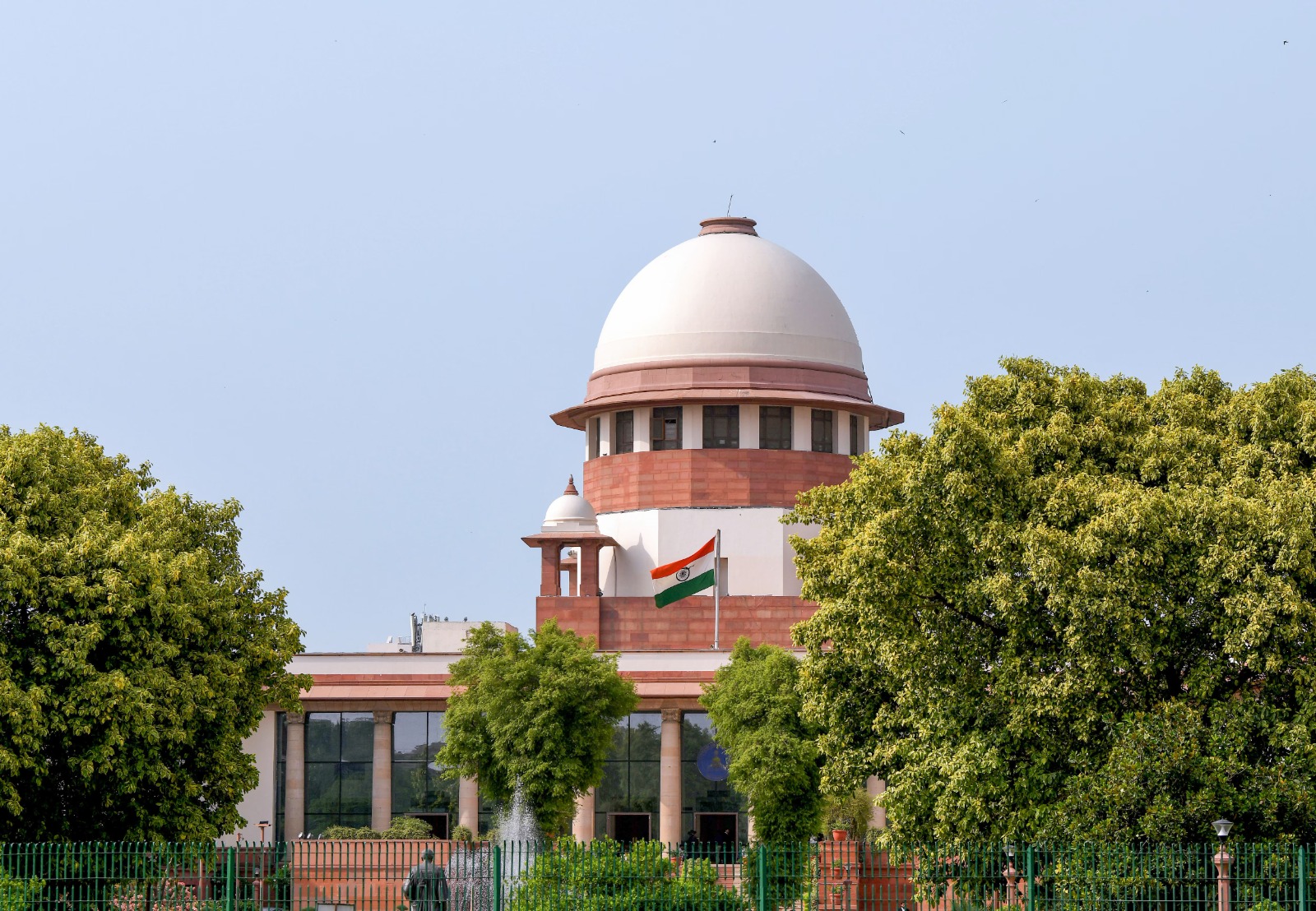
COURTKUTCHEHRY SPECIAL SERIES ON LANDMARKS JUDGEMENTS ON WILLS, CODICIL & PROBATE
Mathew Oommen v. Suseela Mathew: Supreme Court Upholds Authenticity of Handwritten Will
High Court’s Reversal Found Unsustainable by Apex Court
Trial Court’s Order Restored in Favor of Son-Propounder
By Vishwas Kumar
New Delhi: March 25, 2026:
In Mathew Oommen v. Suseela Mathew (Civil Appeal No. 2034 of 2003, decided on 3 January 2006), the Supreme Court of India delivered a decisive ruling on the genuineness of a contested handwritten Will. The dispute arose over the Will of advocate K.O. Mathew, which was alleged by opponents to be fabricated on a blank signed paper.
discover landmark cases on wills and probate of Mathew Oommen Case
The trial court had upheld the Will’s authenticity, finding it natural, validly executed, and properly attested. However, the High Court reversed this conclusion, citing the use of “unnatural language” and questioning the necessity of executing a Will in the circumstances. This reversal cast doubt on the son-propounder’s claim to the estate.
The Supreme Court bench, comprising Hon’ble Mr. Justice B.P. Singh and Hon’ble Mr. Justice Arun Kumar, found the High Court’s reasoning untenable. The Court emphasized that the Will was executed in a natural manner, favouring the son, and was duly attested in accordance with legal requirements. It rejected the High Court’s speculative doubts, holding that the absence of necessity or perceived language issues could not invalidate a properly executed testamentary document.
By reinstating the trial court’s order, the Supreme Court affirmed the validity of the Will and upheld the son-propounder’s rights. This ruling highlights the judiciary’s commitment to respecting genuine testamentary intentions and cautions against unwarranted interference with established findings of fact. It underscores that authenticity and proper attestation are the decisive factors in probate disputes, not subjective assessments of language or necessity.
For More, Read Here the Summary of the Judgement from the Book: WILL WRITING SIMPLIFIED, read below or open page no 436, Chapter 14.1 in the book. (Online book purchase link available here on: Buy online: Amazon | Flipkart
|
|
Case Summary |
: |
Mathew Oommen v. Suseela Mathew. |
|
|
Court |
: |
Supreme Court of India |
|
|
Citations |
: |
(2006) 01 SC CK 0057: Civil Appeal No. 2034 of 2003. |
|
|
Link |
: |
https://www.courtkutchehry.com/judgements/658598/mathew-oommen-vs-suseela-mathew/ |
|
|
Decided on |
: |
03 January 2006 |
|
|
Coram |
: |
Hon’ble Mr. Justice B.P. Singh and Hon’ble Mr. Justice Arun Kumar. (Division Bench) |
|
|
Relevant Paragraphs |
: |
Para Nos.2–9 |
1. Facts of the Case:
The appellant sought letters of administration for a Will allegedly executed by his father, K.O. Mathew, an advocate, on 15.10.1984. The testator died nine days later, leaving behind one son (the appellant) and two married daughters. The son was the sole beneficiary. The Will was handwritten by the testator’s junior, George Vallakalil, and attested by two witnesses, both distant relatives. The respondent-sister challenged the Will, alleging fabrication on a signed blank letterhead.
2. Law Points Involved:
Execution and proof of Will—Sections 63 of the Indian Succession Act, 1925 and 68 of the Indian Evidence Act, 1872—attestation by two witnesses—whether a scribe can also be an attesting witness—burden of proof on propounder—genuineness of Will and suspicious circumstances.
3. Acts / Provisions / Articles Referred:
(i). Indian Succession Act, 1925 (Sec. 63);
(ii). Evidence Act, 1872 (Sec. 68);
(iii). Travancore Christian Succession Act, 1917.
4. Judgments Referred:
NA
5. Obiter Dicta:
It is not unusual for a senior advocate to dictate or get a Will scribed by his junior. The existence of the Travancore Christian Succession Act’s challenge before the Court justified the testator’s precautionary execution of the Will.
6. Ratio Decidendi:
A scribe of a Will can also act as an attesting witness if he signs with the intention to attest. The Will, duly signed and attested by two witnesses, fulfills statutory requirements. Absence of immediate mutation or probate application does not affect genuineness. Suspicious circumstances alleged by the objector were unsupported by evidence.
7. Final Ruling:
The Supreme Court set aside the High Court’s rejection of the Will and restored the trial court’s decree granting letters of administration. Appeal allowed; no order as to costs.
8. Gist Highlighting Dispute with Final Decision:
The dispute centered on whether the handwritten Will of advocate K.O. Mathew was genuine or fabricated on a blank signed paper. The trial court upheld its authenticity; the High Court reversed, citing unnatural language and lack of necessity for a Will. The Supreme Court found the High Court’s reasoning untenable, affirming that the Will was natural, validly executed, and properly attested, thereby reinstating the trial court’s order in favor of the son-propounder.
Read full Judgement Here:
Mathew Oommen v. Suseela Mathew.
Supreme Court of India
(2006) 01 SC CK 0057: Civil Appeal No. 2034 of 2003.
https://www.courtkutchehry.com/judgements/658598/mathew-oommen-vs-suseela-mathew/
You Can Also Purchase the Book from here on: Buy online: Amazon | Flipkart
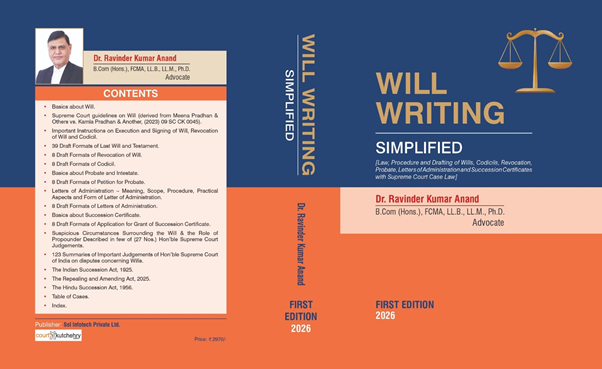
OUR RECOMMENDATION: Check out 123 Key Judgements, as highlighted in the book, WILL WRITING SIMPLIFIED, for the quick research and reference purposes. Click the link here: https://www.courtkutchehry.com/pages/blog/123-supreme-court-judgments-on-wills/
Keywords for SEO & Quick Search
- Mathew Oommen v. Suseela Mathew case
- Supreme Court Will authenticity ruling 2006
- Handwritten Will validity India
- Probate disputes Supreme Court of India
- Civil Appeal No. 2034 of 2003 judgment
- Justice B.P. Singh and Justice Arun Kumar decisions
- K.O. Mathew Will dispute