
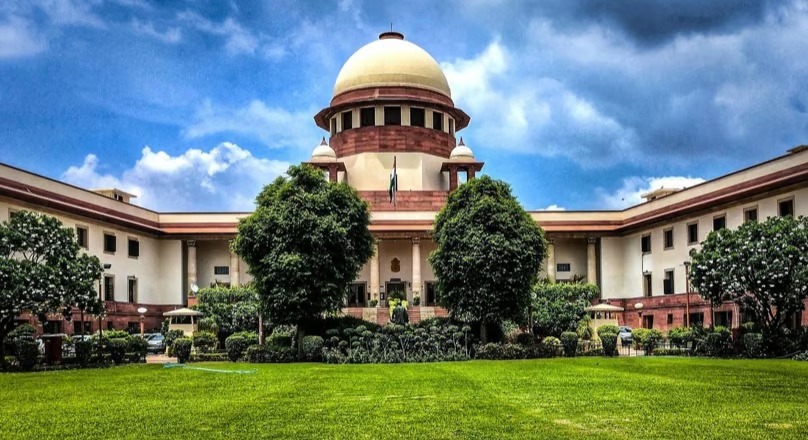
COURTKUTCHEHRY SPECIAL SERIES ON LANDMARKS JUDGEMENTS ON WILLS, CODICIL & PROBATE
Malkani (Smt.) v. Jamadar & Ors.: Supreme Court Upholds Validity of Will Amid Fraud Allegations
Mother’s Will Favouring Nephews Found Genuine
Fraud and Abduction Claims Rejected by Apex Court
By Vishwas Kumar
New Delhi: March 28, 2026:
On 5 February 1987, the Supreme Court of India in Malkani (Smt.) v. Jamadar & Ors. (Civil Appeal No. 2741 of 1980) delivered a decisive ruling on the genuineness of a will executed by Mst. Pari, which favoured her husband’s nephews over her daughter. The Division Bench comprising Hon’ble Mr. Justice A.P. Sen and Hon’ble Mr. Justice K.N. Singh examined allegations of abduction and fraudulent execution raised by the appellant.
The dispute arose when the daughter challenged the will, claiming that her mother had been coerced and abducted to execute the document. However, the Court found no evidence to support these allegations. Instead, it emphasized that Mst. Pari’s conduct—living with her daughter until her death without ever revoking the will—demonstrated voluntariness and authenticity. The Court held that such consistent behaviour strongly indicated that the will was genuine and executed out of free will.
The Supreme Court dismissed the appeal, thereby confirming the validity of the will and rejecting the fraud allegations. The ruling reinforced the principle that mere allegations of coercion or fraud cannot invalidate a will unless supported by convincing evidence. It also highlighted the importance of evaluating the testator’s conduct after execution, which in this case aligned with the will’s provisions.
This judgment remains a significant precedent in Indian succession law, underscoring the judiciary’s cautious approach in balancing allegations of fraud against the presumption of validity when a will is duly executed and not revoked during the testator’s lifetime.
For More, Read Here the Summary of the Judgement from the Book: WILL WRITING SIMPLIFIED, read below or open page no 436, Chapter 14.1 in the book. (Online book purchase link available here on: Buy online: Amazon | Flipkart
|
|
Case Summary |
: |
Malkani (Smt.) v. Jamadar & Ors. |
|
|
Court |
: |
Supreme Court of India |
|
|
Citations |
: |
(1987) 02 SC CK 0043: Civil Appeal No. 2741 of 1980. |
|
|
Link |
: |
https://www.courtkutchehry.com/judgements/672414/smt-malkani-vs-jamadar-and-others/ |
|
|
Decided on |
: |
5 February 1987 |
|
|
Coram |
: |
Hon’ble Mr. Justice A.P. Sen and Hon’ble Mr. Justice K.N. Singh. |
|
|
Relevant Paragraphs |
: |
Para Nos.1–4 |
1. Facts of the Case:
The appellant, Smt. Malkani, filed a suit for declaration of her one-sixth share in the suit land and for joint possession against her paternal cousins—the respondents. Her allegation was that the respondents had abducted her mother, Mst. Pari, and fraudulently procured a will dated 24 August 1972 (Exh. D-1) in their favour. Both the Subordinate Judge and the Additional District Judge found the will duly executed and attested, free from suspicious circumstances. The High Court dismissed the second appeal in limine, finding no substantial question of law under Section 100 CPC.
2. Law Points Involved:
Whether the will (Exh. D-1) executed by Mst. Pari was genuine and free from suspicious circumstances, and whether the findings of fact by the courts below could be interfered with under Section 100 CPC.
3. Acts / Provisions / Articles Referred:
Civil Procedure Code, 1908 — Section 100.
4. Judgements Referred:
(i). H. Venkatachala Iyengar v. B.N. Thimmajamma, (1958) 11 SC CK 0008.
(ii). Smt. Jaswant Kaur v. Smt. Amrit Kaur, (1976) 10 SC CK 0028.
https://www.courtkutchehry.com/judgements/649331/smt-jaswant-kaur-vs-smt-amrit-kaur-and-others/]
(iii). Smt. Indu Bala Bose v. Manindra Chandra Bose, (1981) 11 SC CK 0017.https://www.courtkutchehry.com/judgements/670428/indu-bala-bose-and-others-vs-manindra-chandra-bose-and-anoth/]
5. Obiter Dicta:
Active participation of the beneficiary in the execution of a will may arouse suspicion, but such suspicion must be removed by clear and satisfactory evidence; mere participation does not invalidate an otherwise genuine will.
6. Ratio Decidendi:
Where the due execution and attestation of a will are proved and there is no cogent evidence of coercion or fraud, the mere fact that a beneficiary assisted in execution does not make the will suspicious. Findings of fact of the lower courts cannot be disturbed in second appeal unless a substantial question of law arises.
7. Final Ruling:
The appeal was dismissed. The Supreme Court upheld the concurrent findings that the will was duly executed by Mst. Pari of her own free will, without fraud or undue influence. No costs awarded.
8. Gist / Dispute and Final Decision:
The dispute centered on the genuineness of Mst. Pari’s will favoring her husband’s nephews over her daughter. The appellant alleged abduction and fraudulent execution. The Court found the will genuine, holding that the mother’s conduct living with her daughter until death without revoking the will proved voluntariness. Appeal dismissed, confirming validity of the will and rejection of fraud allegations.
Read full Judgement Here:
Malkani (Smt.) v. Jamadar & Ors.
Supreme Court of India
(1987) 02 SC CK 0043: Civil Appeal No. 2741 of 1980.
https://www.courtkutchehry.com/judgements/672414/smt-malkani-vs-jamadar-and-others/
You Can Also Purchase the Book from here on: Buy online: Amazon | Flipkart
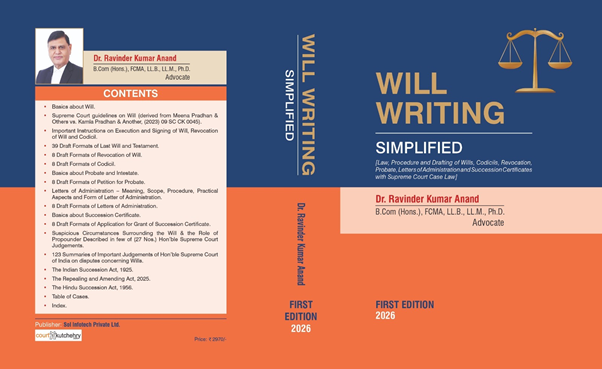
OUR RECOMMENDATION: Check out 123 Key Judgements, as highlighted in the book, WILL WRITING SIMPLIFIED, for the quick research and reference purposes. Click the link here: https://www.courtkutchehry.com/pages/blog/123-supreme-court-judgments-on-wills/
Keywords for SEO & Quick Search
- Malkani v. Jamadar Supreme Court case
- 1987 Indian Supreme Court will dispute judgment
- Mst. Pari will validity ruling
- Justice A.P. Sen will authenticity decision
- Fraud allegations in will execution India
- Civil Appeal No. 2741 of 1980 Supreme Court
- Apex Court voluntariness in will ruling India