
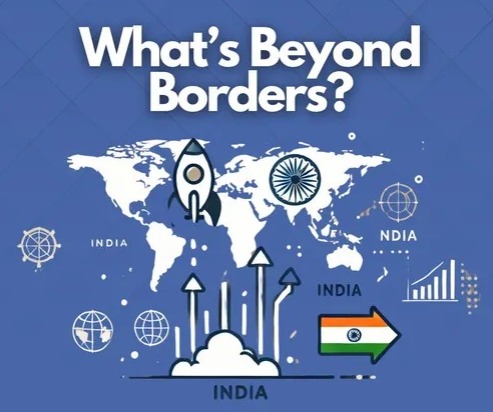
Scaling Abroad: Why Indian Startups Must Avoid Legal Pitfalls
Wrong structures and poor tax planning derail global ambitions
Expert guidance is key to sustainable international growth
By Vishwas Kumar
New Delhi: May 12, 2026:
Indian SMEs and startups often rush into global expansion without adequate legal and compliance preparation, leading to costly mistakes. Experts highlights pitfalls such as wrong entity structures, ignoring tax treaties, and neglecting intellectual property protection, urging founders to scale smart rather than fast.
Readers analysing inheritance conflicts, family property disputes and the legal standards governing proof of Wills should also examine the Supreme Court judgment in Ajit Kaur & Surjit Kaur Vs Darshan Singh (Dead Through LRs) & Ors, where the Court evaluated testamentary succession claims and clarified the importance of credible attesting evidence and removal of suspicious circumstances surrounding execution of a Will.
Introduction
Global expansion is a dream for many Indian small and medium enterprises (SMEs) and startups. Access to larger markets, enhanced brand credibility, and improved lifestyle opportunities for families are strong motivators. However, as experts’ analysis shows, poor preparation and reliance on unqualified advisors often derail these ambitions. The mantra is clear: scale smart, not fast.
Why Indian Businesses Go Global
- Market Access: Larger customer bases and diversified revenue streams.
- Global Image: Enhanced credibility to attract investors and talent.
- Family Relocation: Better education, healthcare, and lifestyle abroad.
While these drivers are valid, execution falters when legal and compliance frameworks are ignored.
Key Legal Pitfalls in Global Expansion
- Incorrect Legal Structure
- Choosing between a branch office, subsidiary, or joint venture is critical.
- Wrong choices can trigger double taxation, compliance failures, or ownership disputes.
- Example: A branch office exposes the parent company to liabilities, while a subsidiary offers limited liability protection.
- Visa & Immigration Missteps
- Relying solely on investor visas may close doors to startup visas or skilled worker programs.
- Each jurisdiction has unique visa categories; misalignment can block talent mobility.
- Taxation & Compliance Risks
- Ignoring Double Taxation Avoidance Agreements (DTAA) leads to excessive tax burdens.
- Transfer pricing rules must be followed to avoid audits and penalties.
- Local tax laws vary widely; failure to comply can result in fines and reputational damage.
- Intellectual Property (IP) Neglect
- Expanding without securing trademarks and patents abroad invites copycats.
- IP laws differ across jurisdictions; proactive registration is essential.
- Cultural & Market Fit
- Products/services must adapt to local cultural norms.
- Failure to validate demand wastes resources and damages brand reputation.
- Succession & Operational Planning
- Family relocations without proper handover plans disrupt domestic operations.
- Lack of continuity planning undermines both local and global growth.
Legal Frameworks and Rules Referenced
- Companies Act, 2013 (India): Governs incorporation and compliance for Indian entities.
- Foreign Exchange Management Act (FEMA), 1999: Regulates cross-border investments and remittances.
- Income Tax Act, 1961: Requires disclosure of global income and foreign assets.
- Double Taxation Avoidance Agreements (DTAA): Prevents double taxation across jurisdictions.
- Local Corporate Laws Abroad: Each country has specific rules for subsidiaries, branches, and joint ventures.
- IP Laws (TRIPS Agreement, WIPO treaties): Provide international frameworks for protecting intellectual property.
Strategic Recommendations
- Consult Specialists: Engage international law experts familiar with multiple jurisdictions.
- Pilot Markets: Test expansion in smaller markets before scaling globally.
- Due Diligence: Verify advisor credentials and track records.
- Long-Term Planning: Prioritize sustainability over short-term cost savings.
- IP Protection: Register trademarks and patents before market entry.
Conclusion
Global expansion offers immense opportunities but is fraught with legal and compliance risks. Indian SMEs and startups must avoid shortcuts and invest in expert guidance, proper structures, and compliance frameworks. Scaling smart ensures sustainable growth and protects both business and family interests.
Detailed FAQ for Quick Understanding
Q1: What is the biggest mistake Indian startups make when going global?
Choosing the wrong legal structure (branch vs. subsidiary) without understanding tax and liability implications.
Q2: Why is tax planning critical in global expansion?
Because ignoring DTAA and transfer pricing rules can lead to double taxation and regulatory penalties.
Q3: Can investor visas alone support global expansion?
No. Relying only on investor visas may block access to startup or skilled worker programs, limiting talent mobility.
Q4: How important is IP protection abroad?
Extremely important. Without registering trademarks/patents, competitors can copy products and erode market share.
Q5: What role does FEMA play in overseas expansion?
FEMA regulates cross-border investments and remittances, ensuring compliance with Indian law.
Q6: How can SMEs avoid cultural missteps?
By conducting market research and adapting products/services to local cultural norms.
Q7: What happens if family relocation is poorly planned?
Domestic operations suffer due to lack of succession planning, undermining both local and global growth.
Q8: How can businesses ensure sustainable global success?
By consulting international law experts, conducting due diligence, and prioritizing long-term strategies over quick fixes.
In essence, Indian startups must resist the temptation of rapid expansion and instead focus on legally sound, strategically planned growth to thrive globally.