
Kerala High Court Declares Cheque Void if Date Altered Without Drawer’s Full Signature
Court stresses that unauthenticated date changes amount to material alteration under NI Act.
Ruling shields accused from Section 138 liability when cheque is legally void.
By Our Legal Correspondent
New Delhi: June 12, 2026:
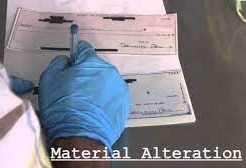
The Kerala High Court has ruled that a cheque becomes void if its date is altered without authentication by the drawer’s full signature. This decision clarifies the scope of “material alteration” under Section 87 of the Negotiable Instruments Act, 1881, and directly impacts prosecutions under Section 138 for cheque dishonour.
1. Introduction
In Mary James v. Gigi Jose (Criminal Appeal No. 1991 of 2007), the Kerala High Court dismissed an appeal challenging acquittal in a cheque dishonour case. The Court held that alteration of a cheque’s date without authentication by the drawer’s full signature constitutes a material alteration, rendering the cheque void. This ruling underscores the strict interpretation of negotiable instruments law and its implications for cheque dishonour prosecutions.
2. Factual Background
The accused allegedly issued a cheque to discharge liability.
The cheque was dishonoured due to alteration of the date and lack of authentication.
Despite a legal notice, the accused did not repay, leading to prosecution under Section 138 NI Act.
The trial court acquitted the accused, holding the cheque void.
The complainant appealed, but the High Court upheld acquittal.
3. Key Legal Provisions
a. Negotiable Instruments Act, 1881
Section 138: Criminalizes dishonour of cheques for insufficiency of funds.
Section 87: Declares that material alteration of a negotiable instrument renders it void unless consented to by all parties. Alteration of date is specifically recognized as material.
b. Material Alteration Doctrine
Any change affecting rights, liabilities, or legal character of the instrument is material.
Alteration of date impacts enforceability and maturity, hence voids the cheque unless authenticated.
4. Judicial Reasoning
Alteration of Date: The cheque originally bore “2004,” altered to “2005” without authentication.
Authentication Requirement: The Court emphasized that only the drawer’s full signature at the place of alteration validates such changes.
Void Instrument: Since alteration was unauthenticated, the cheque was void ab initio.
No Prosecution: A void cheque cannot form the basis of Section 138 prosecution.
Justice A. Badharudeen observed: “When there is alteration of the date in the cheque which is not authenticated by putting the full signature of the drawer on the place of alteration, the same operates as a material alteration and makes the instrument void.”
5. Broader Legal Context
a. Cheque Dishonour Jurisprudence
Courts have consistently held that technical defects can defeat Section 138 claims.
This ruling reinforces that validity of the instrument itself is a prerequisite for prosecution.
b. Comparative Case Law
In Lilykutty v. Lawrance (Kerala HC, 2003), alteration of amount without consent was held void.
The present ruling extends this principle to date alterations.
c. Practical Implications
Parties must ensure cheques are free from unauthenticated alterations.
Banks may reject altered cheques, and courts will not entertain prosecutions based on them.
6. Implications
For Complainants: Must verify cheque validity before initiating Section 138 proceedings.
For Accused: Can rely on unauthenticated alterations as a defence.
For Banks: Reinforces strict scrutiny of altered instruments.
For Legal Practice: Highlights importance of Section 87 NI Act in cheque dishonour litigation.
7. Conclusion
The Kerala High Court’s ruling in Mary James v. Gigi Jose clarifies that unauthenticated date alterations render cheques void, shielding accused from Section 138 liability. This decision strengthens the doctrine of material alteration under Section 87 NI Act and ensures that prosecutions rest only on legally valid instruments.
FAQ Section
Q1: What is Section 138 of the NI Act?
Answer: It criminalizes dishonour of cheques due to insufficient funds or exceeding arrangement, provided statutory notice and timelines are met.
Q2: What is Section 87 of the NI Act?
Answer: It declares that material alteration of a negotiable instrument without consent renders it void. Alteration of date, amount, or payee are examples.
Q3: What is a material alteration?
Answer: Any change affecting the legal character, rights, or liabilities of the instrument. Altering the date changes enforceability and maturity, making it material.
Q4: Can a cheque with altered date be valid?
Answer: Yes, but only if the drawer authenticates the alteration with their full signature at the place of alteration.
Q5: Why was the cheque void in this case?
Answer: The date was altered from “2004” to “2005” without authentication by the drawer’s full signature, making it void under Section 87.
Q6: Can prosecution under Section 138 proceed on a void cheque?
Answer: No. A void cheque cannot form the basis of prosecution, as it is legally unenforceable.
Q7: What should complainants check before filing a case?
Answer: Ensure the cheque is free from unauthenticated alterations, properly signed, and legally valid.
Q8: What defence can accused raise in cheque dishonour cases?
Answer: Accused can argue that the cheque is void due to material alteration, lack of consent, or technical defects.
Q9: How do banks treat altered cheques?
Answer: Banks generally reject cheques with unauthenticated alterations, considering them invalid.
Q10: What precedent does this ruling set?
Answer: It reinforces that unauthenticated alterations, even of date, void cheques and bar Section 138 prosecutions.