
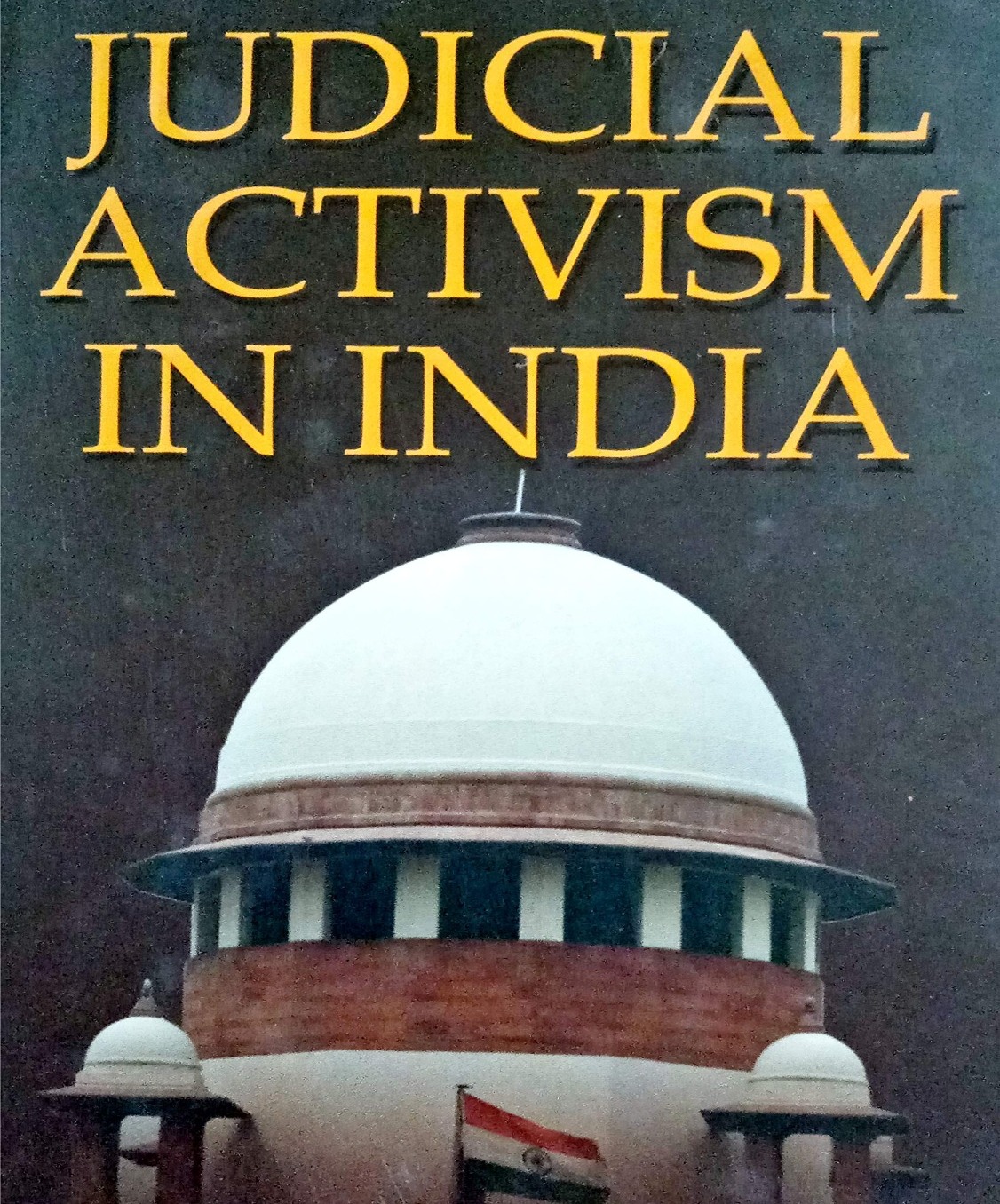
Judicial Activism in India: The Expanding Frontiers of Justice
How India’s courts reshaped constitutional democracy
Balancing activism, restraint, and the separation of powers
By Vishwas Kumar
New Delhi: June 10, 2026:
In the world’s largest democracy, the judiciary has often stepped beyond its conventional role of interpreting laws to actively shape the contours of governance. Judicial activism in India has become synonymous with the courts’ willingness to intervene in matters of public interest, expand fundamental rights, and check executive excesses. While celebrated as a guardian of democracy, it has also sparked debates about judicial overreach and the delicate balance of powers.
The roots of judicial activism in India can be traced to the post‑Emergency era of the late 1970s, when the judiciary sought to restore public confidence after being criticized for its passivity during the suspension of fundamental rights. In this climate, the courts began to assert themselves more boldly, interpreting constitutional provisions in ways that protected citizens from arbitrary state action. The landmark Kesavananda Bharati v. State of Kerala (1973) case, which established the basic structure doctrine, became a turning point, ensuring that Parliament could not amend the Constitution in ways that undermined democracy. This doctrine empowered the judiciary to act as a constitutional sentinel, safeguarding the core principles of justice, liberty, and equality.
Judicial activism gained further momentum with the rise of Public Interest Litigation (PIL) in the 1980s. PIL democratized access to justice by allowing individuals and organizations to file petitions on behalf of marginalized groups or for causes of public importance. Through PILs, the courts addressed issues ranging from bonded labour and child rights to environmental protection and gender justice. This expansion of judicial reach transformed the judiciary into an institution that not only resolved disputes but also actively shaped social policy.
The activism of the judiciary has had profound sociological and ethical implications. It has empowered vulnerable communities, advanced gender equality, and promoted environmental sustainability. At the same time, it has raised questions about the separation of powers, as unelected judges sometimes appear to step into the domain of policymaking traditionally reserved for the legislature and executive. Critics argue that excessive activism risks undermining democratic accountability, while supporters contend that it is essential in a system where political institutions often fail to deliver justice.
Thus, judicial activism in India represents both a promise and a paradox. It embodies the judiciary’s role as a guardian of rights and a catalyst for social change, yet it also challenges the boundaries of constitutional governance. As India continues to evolve as a democracy, the debate over judicial activism—its scope, legitimacy, and future—remains central to the nation’s legal and political discourse.
Constitutional Foundations
- Article 32 & 226: Empower citizens to directly approach the Supreme Court and High Courts for enforcement of fundamental rights.
- Article 21: The “Right to Life and Personal Liberty” has been expansively interpreted to include rights to education, health, clean environment, and livelihood.
- Basic Structure Doctrine: Established in Kesavananda Bharati v. State of Kerala (1973), it prevents Parliament from amending the Constitution in ways that damage its core principles.
These provisions gave the judiciary a constitutional mandate to act as the ultimate protector of rights, laying the groundwork for activism.
Landmark Judicial Precedents
- Maneka Gandhi v. Union of India (1978): Expanded Article 21 to include fairness and due process.
- Vishaka v. State of Rajasthan (1997): Introduced workplace sexual harassment guidelines in the absence of legislation.
- MC Mehta v. Union of India: A series of environmental rulings, including pollution control and preservation of natural resources.
- Navtej Singh Johar v. Union of India (2018): Decriminalized homosexuality, affirming dignity and equality.
These cases illustrate how judicial activism filled legislative gaps and advanced social justice.
Comparative Perspectives
- United States: Judicial activism is often linked to landmark rulings like Brown v. Board of Education (1954), which dismantled racial segregation.
- South Africa: Post‑apartheid constitutional jurisprudence empowered courts to enforce socio‑economic rights, such as housing and healthcare.
- United Kingdom: Judicial review remains restrained, but courts have occasionally intervened in human rights cases under the Human Rights Act 1998.
India’s activism stands out for its breadth, particularly in socio‑economic rights, which many jurisdictions treat cautiously.
Sociological, Economic, and Ethical Impacts
- Sociological: Judicial activism democratized access to justice through Public Interest Litigation (PIL), empowering marginalized communities.
- Economic: Environmental rulings, while protecting public health, sometimes imposed costs on industries, sparking debates about economic growth versus sustainability.
- Ethical: Courts have acted as moral guardians, ensuring dignity, equality, and fairness, but critics argue unelected judges should not dictate policy.
Case Studies & Narratives
- Bonded Labor: Judicial activism freed thousands of bonded laborers through PILs filed by activists in the 1980s.
- Delhi Pollution: The Supreme Court’s intervention in vehicular emissions led to the adoption of compressed natural gas (CNG) in public transport.
- Gender Justice: The Vishaka guidelines empowered women in workplaces long before Parliament enacted the Sexual Harassment Act in 2013.
These stories humanize judicial activism, showing its tangible impact on everyday lives.
Extended FAQ on Judicial Activism in India
- What is judicial activism?
Judicial activism is when courts take a proactive role in interpreting laws and the Constitution to protect rights and advance justice, often filling gaps left by the legislature or executive. - How is it different from judicial restraint?
Judicial restraint emphasizes minimal interference, leaving policy decisions to elected bodies, while activism involves courts stepping in to address pressing social or legal issues. - Which constitutional articles empower judicial activism in India?
Articles 32 and 226 allow citizens to approach the Supreme Court and High Courts directly for enforcement of fundamental rights, forming the backbone of activism. - What is the basic structure doctrine?
It is a principle from Kesavananda Bharati (1973) that prevents Parliament from amending the Constitution in ways that damage its core democratic framework. - Can Parliament override judicial activism?
Parliament can pass laws, but it cannot override judicial rulings that protect the Constitution’s basic structure or fundamental rights. - What role does Article 21 play?
Article 21’s “Right to Life” has been expansively interpreted to include rights to dignity, health, education, and a clean environment. - What is Public Interest Litigation (PIL)?
PIL allows individuals or groups to file cases on behalf of marginalized communities or public causes, democratizing access to justice. - Who can file a PIL?
Any citizen or organization can file a PIL, even if they are not directly affected, provided it serves the public interest. - How did Kesavananda Bharati shape judicial activism?
It established the basic structure doctrine, empowering courts to strike down unconstitutional amendments and strengthening judicial oversight. - What was the significance of Maneka Gandhi v. Union of India?
It expanded Article 21 to include fairness and due process, broadening the scope of fundamental rights. - How did Vishaka v. State of Rajasthan influence workplace rights?
The Supreme Court laid down guidelines against sexual harassment, filling a legislative vacuum and protecting women’s rights. - What environmental rulings came from MC Mehta cases?
These cases led to pollution control measures, adoption of CNG in Delhi transport, and protection of natural resources. - How did judicial activism decriminalize homosexuality?
In Navtej Singh Johar v. Union of India (2018), the Supreme Court struck down Section 377, affirming dignity and equality. - What is judicial overreach?
Judicial overreach occurs when courts go beyond interpretation and begin making policy decisions, encroaching on legislative or executive domains. - How do critics view activism?
Critics argue it undermines separation of powers, creates unpredictability, and places unelected judges in policymaking roles. - Is judicial activism unique to India?
No, it exists globally, but India’s activism is notable for its emphasis on socio‑economic rights. - How does the US Supreme Court practice activism?
Through landmark rulings like Brown v. Board of Education, the US Court has advanced civil rights and social justice. - What lessons can India learn from South Africa?
South Africa’s courts actively enforce socio‑economic rights, showing how judicial activism can strengthen post‑conflict democracies. - How does the UK judiciary compare?
UK courts are more restrained, intervening mainly in human rights cases under the Human Rights Act 1998. - What are the sociological impacts of activism?
It empowers marginalized groups, democratizes justice, and promotes equality in society. - How does activism affect marginalized groups?
It provides them direct access to justice, often through PILs, ensuring their voices are heard. - What economic consequences arise from activism?
Environmental and labor rulings can impose costs on industries, but they also promote sustainable growth. - How do industries respond to judicial rulings?
Industries often adapt by adopting cleaner technologies or fairer labor practices, though sometimes reluctantly. - What ethical debates surround activism?
Debates focus on whether unelected judges should decide moral and policy issues, balancing justice with democratic accountability. - Can activism undermine democracy?
Excessive activism risks weakening elected institutions, but restrained activism strengthens democracy by protecting rights. - How does activism strengthen democracy?
It ensures accountability, protects minorities, and upholds constitutional values when other institutions fail. - What role does activism play in environmental protection?
Courts have mandated pollution control, conservation, and sustainable practices, safeguarding public health. - How does activism affect gender justice?
It has advanced women’s rights, workplace safety, and equality through landmark rulings. - What role did activism play in bonded labor abolition?
Judicial interventions freed thousands of bonded laborers, enforcing dignity and human rights. - How does activism expand fundamental rights?
By interpreting existing rights broadly, courts have added dimensions like privacy, education, and clean environment. - Can activism replace legislation?
No, it can only fill gaps temporarily; lasting change requires legislative action. - What are the dangers of judicial policymaking?
It risks inconsistency, undermines democratic processes, and may exceed judicial expertise. - How do courts ensure accountability?
Through reasoned judgments, transparency, and adherence to constitutional principles. - How does activism affect executive power?
It checks arbitrary actions, ensuring the executive remains accountable to constitutional norms. - What role does activism play in electoral reforms?
Courts have mandated transparency in candidate disclosures and curbed corrupt practices. - How does activism protect minority rights?
By striking down discriminatory laws and affirming equality, courts safeguard minority interests. - What is the difference between activism and populism?
Activism is rights‑based and constitutional, while populism often reflects majority sentiment without legal grounding. - How do citizens benefit from activism?
They gain expanded rights, better governance, and access to justice even without direct representation. - Can activism be misused?
Yes, frivolous PILs or excessive judicial interference can dilute its credibility. - What is the future of judicial activism in India?
It will likely remain vital, but must balance activism with restraint to preserve democratic harmony.
Op‑Ed Style Closing Vision
Judicial activism in India is both a beacon of hope and a subject of caution. It has undeniably transformed the judiciary into a dynamic institution that not only interprets laws but also shapes the moral and social fabric of the nation. By expanding the meaning of fundamental rights, the courts have ensured that democracy is not merely procedural but substantive, touching the lives of the most vulnerable.
Yet, the line between activism and overreach remains thin. When courts dictate policy in areas like economic regulation or environmental management, they risk undermining the elected legislature’s role. This tension is not unique to India; democracies worldwide grapple with the balance between judicial innovation and institutional restraint. The challenge lies in ensuring that activism remains a corrective mechanism rather than a substitute for governance.
The sociological impact of activism is profound. It has given voice to the voiceless, empowered women, protected children, and safeguarded the environment. Economically, it has forced industries to adopt sustainable practices, though sometimes at the cost of short‑term growth. Ethically, it has reaffirmed the judiciary’s role as a guardian of dignity and fairness. These contributions cannot be dismissed, even by critics who warn of judicial excess.
Looking ahead, judicial activism must evolve into judicial statesmanship. Courts should continue to intervene where rights are threatened or governance fails, but they must also respect the boundaries of democratic institutions. The future of activism lies in collaboration — nudging the legislature and executive to act, while refraining from usurping their functions. This requires humility, foresight, and a deep commitment to constitutional morality.
India’s judiciary has shown remarkable courage in moments of crisis, from the Emergency to contemporary challenges of inequality and climate change. Its activism has often been the difference between justice denied and justice delivered. But as India matures as a democracy, the judiciary must balance its activist zeal with institutional restraint. The vision should be of a judiciary that inspires, guides, and protects — not one that governs.
In the end, judicial activism is not merely about courts; it is about the kind of society we aspire to build. A society where rights are real, justice is accessible, and democracy is lived every day. The judiciary’s activism must remain a torchbearer of this vision, illuminating the path toward a more just, equitable, and humane India.