
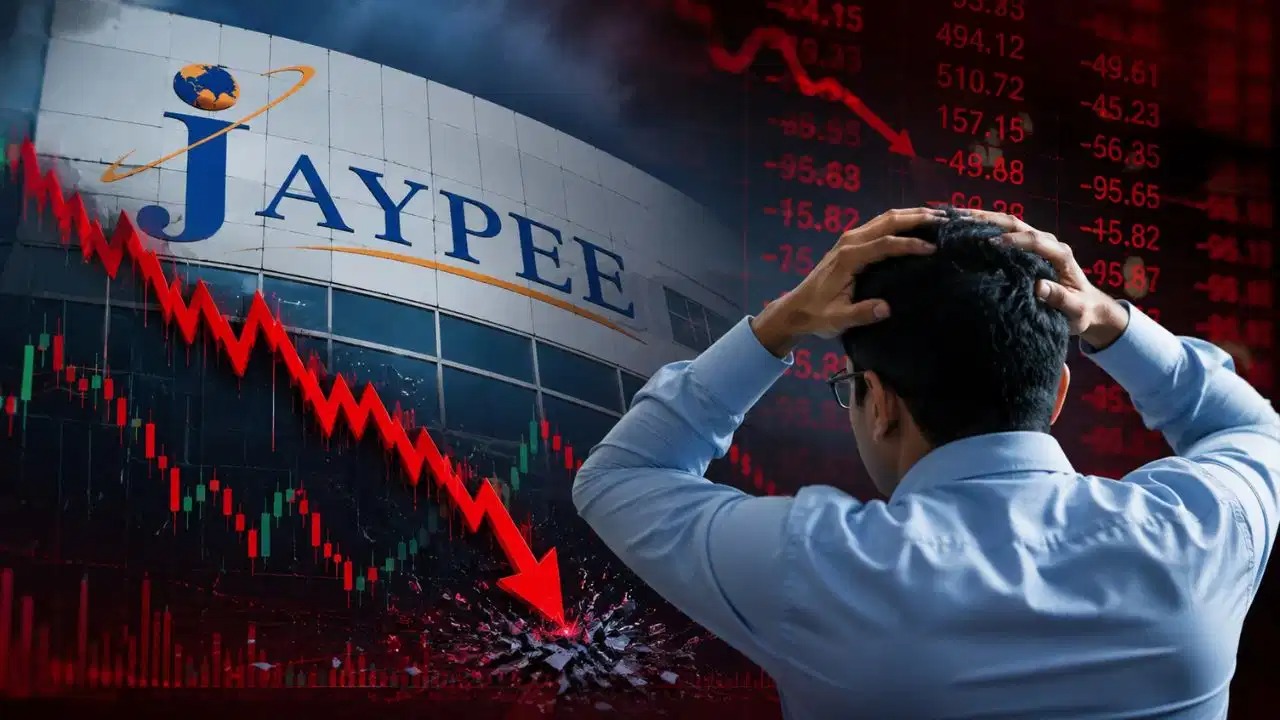
JAL Delisting: Shareholders Left Empty-Handed
Adani’s Rs 14,535-Crore Bid Reshapes Insolvency Landscape
NCLT Order Extinguishes Equity, Raising Investor Concerns
By Legal Reporter
New Delhi: June 16, 2026:
Jaiprakash Associates Ltd (JAL) will be delisted from both the BSE and NSE on June 18, 2026, following its acquisition by Adani Enterprises under the Insolvency and Bankruptcy Code (IBC). Nearly 6.5 lakh shareholders will see their equity holdings extinguished with no payout, as per the resolution plan approved by the National Company Law Tribunal (NCLT).
Introduction
The delisting of Jaiprakash Associates Ltd (JAL) from India’s premier stock exchanges marks a watershed moment in corporate insolvency jurisprudence. With over 6.5 lakh retail shareholders affected, the case highlights the tension between creditor recovery under the Insolvency and Bankruptcy Code, 2016 (IBC) and shareholder rights. The Bombay Stock Exchange (BSE) and National Stock Exchange (NSE) confirmed the delisting effective June 18, 2026, pursuant to the resolution plan approved by the NCLT, Allahabad Bench.
Case Background
Company Profile: JAL, once valued at over ₹50,000 crore market cap, operated in construction, real estate, cement, power, hospitality, and even managed India’s Formula One circuit.
Financial Distress: Mounting debt led to insolvency proceedings.
Resolution Plan: Adani Enterprises’ ₹14,535 crore bid was approved by the Committee of Creditors (CoC) and upheld by NCLT/NCLAT, rejecting Vedanta’s challenge.
Delisting: Equity shares extinguished; no compensation to shareholders.
Legal Framework
Insolvency and Bankruptcy Code, 2016
Section 30(6) & Section 31: Resolution plan binding on all stakeholders once approved by NCLT.
Equity holders rank lowest in priority; creditors’ claims take precedence.
Securities Laws
SEBI Delisting Regulations normally require exit offers.
In insolvency-driven delisting, equity is extinguished without exit price.
NCLT/NCLAT Role
NCLT approved Adani’s plan.
NCLAT upheld CoC’s commercial wisdom, rejecting Vedanta’s appeal.
Court’s Observations
Commercial Wisdom of CoC: Supreme Court precedents affirm CoC decisions are paramount.
Equity Extinguishment: Shareholders bear residual risk; insolvency prioritises creditors.
No Exit Offer: Insolvency delisting bypasses SEBI’s investor protection norms.
Implications
For Shareholders:
6.5 lakh investors lose entire holdings.
No compensation due to insolvency extinguishment.
For Creditors:
Adani’s bid ensures recovery and restructuring.
For Policy:
Raises debate on balancing creditor recovery with retail investor protection.
For Markets:
Reinforces risk of investing in debt-heavy companies.
Comparative Perspective
India (IBC): Equity extinguished in insolvency resolution.
US (Chapter 11): Shareholders often diluted but may retain some value if creditors are paid.
UK (Administration): Equity usually wiped out unless restructuring preserves value.
Inference: India’s framework is creditor-centric, offering little protection to shareholders.
Lessons for Retail Investors
Debt Red Flags: High leverage is a warning sign.
Value Traps: Low-priced stocks may not recover.
Due Diligence: Retail investors must assess insolvency risks before investing.
Conclusion
The JAL delisting underscores the harsh realities of insolvency law—creditors recover, shareholders lose. While legally sound under IBC, the case raises pressing questions about retail investor protection in India’s capital markets. It is a reminder that equity investment carries residual risk, especially in debt-laden firms.
FAQs (Searchable Index Format)
1. Why is JAL being delisted?
Because Adani Enterprises acquired JAL under the IBC resolution plan, approved by NCLT.
2. What happens to shareholders?
Nearly 6.5 lakh shareholders lose their equity holdings with no payout, as shares are extinguished.
3. Was an exit offer given?
No. Insolvency-driven delisting bypasses SEBI’s exit offer rules.
4. What was Adani’s bid value?
₹14,535 crore, preferred by CoC over Vedanta’s plan.
5. Which tribunal approved the plan?
The NCLT, Allahabad Bench, later upheld by NCLAT.
6. Why did Vedanta challenge the plan?
Vedanta contested CoC’s preference for Adani’s bid but lost at NCLAT.
7. What laws govern this process?
The Insolvency and Bankruptcy Code, 2016 and NCLT/NCLAT orders.
8. Can shareholders recover anything?
No. Equity is extinguished once resolution plan is approved.
9. What lesson does this case teach investors?
Avoid debt-heavy firms; low-priced stocks can be value traps.
10. How does this compare globally?
Similar to UK/US insolvency regimes where equity is usually wiped out unless creditors are fully satisfied.