

Sold Land for ₹3.21 Crore, Paid Zero Tax: ITAT Pune Ruling Redefines Section 54F Relief
Tribunal Says Technical Errors Cannot Deny Tax Exemption
Case Highlights Importance of Legislative Intent in Tax Law
By Our Legal Correspondent
New Delhi: March 10, 2026:
Also Read: Bombay High Court Orders Transparency in Mundkar Cases
In a case that has attracted nationwide attention, the Income Tax Appellate Tribunal (ITAT) Pune ruled in favour of a man from Baramati, Maharashtra, who sold land for ₹3.21 crore but paid no tax on the transaction. The tribunal held that although the man failed to deposit the sale proceeds into the Capital Gains Account Scheme (CGAS) before filing his income tax return, he was still entitled to full exemption under Section 54F of the Income Tax Act.
This ruling is significant because it underscores the principle that legislative intent—encouraging investment in housing—must prevail over technical lapses.
Case Background
Also Read: Bombay High Court Clarifies Jurisdiction in Debt Recovery Case
- The taxpayer, Mr. Gugale from Baramati, sold agricultural land for ₹3.21 crore.
- He used the proceeds to purchase a residential property.
- The Income Tax Department denied him exemption under Section 54F, citing his failure to deposit the money in a CGAS account before filing his return.
- On appeal, the ITAT Pune ruled in his favour, stating that the purpose of Section 54F is to promote housing investment, not penalize taxpayers for procedural lapses.
[Legal Resources]
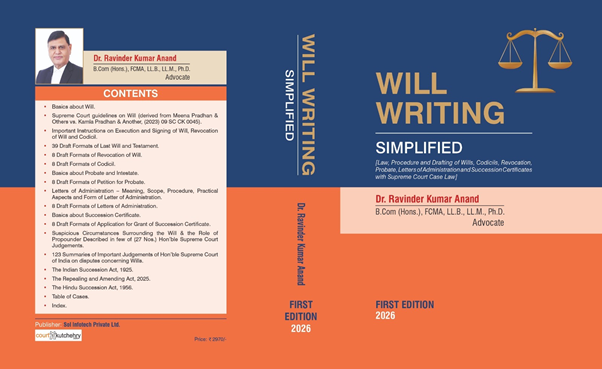
📘 Legal professionals and students alike will benefit from Will Writing Simplified, which covers procedure and case law in detail.
🔹 Buy on Amazon
🔹 Buy on Flipkart
Key Observations by ITAT Pune
Also Read: ITAT: Technical Errors Cannot Block Trust Registration
- Legislative Intent Matters: The tribunal emphasized that the law’s purpose is to encourage reinvestment in housing.
- Technical Error Not Fatal: Failure to deposit funds in CGAS before filing returns cannot nullify exemption if the money is ultimately used to buy a house.
- Relief to Taxpayers: The ruling provides clarity for individuals facing similar disputes with the Income Tax Department.
Cross-Verification from Other Sources
- Economic Times confirmed that ITAT Pune granted full exemption despite the technical lapse, stressing legislative intent.
- MSN reported that the tribunal sided with the taxpayer, reiterating that genuine reinvestment in housing should not be penalized.
- India TV Hindi highlighted how the ruling overturned the Income Tax Department’s objections, offering relief to the taxpayer.
Implications of the Ruling
- For Taxpayers: Encourages confidence that genuine reinvestment in housing will be protected, even if procedural lapses occur.
- For Income Tax Department: Signals that strict technical interpretations may not hold in appellate forums.
- For Legal Professionals: Reinforces the importance of citing legislative intent in tax disputes.
Conclusion
Also Read: ITAT: Conversion of Company into LLP Means Dissolution
The ITAT Pune ruling is a milestone in tax jurisprudence, balancing procedural compliance with legislative purpose. It ensures that taxpayers who genuinely reinvest in housing are not unfairly penalized for minor lapses. Experts believe this case will serve as a precedent in future disputes, strengthening the principle that substance must prevail over form in tax law.
Keywords for Faster Searches
- ITAT Pune land sale ruling
- Section 54F Income Tax exemption
- Capital Gains Account Scheme technical lapse
- ₹3.21 crore land sale tax case
- Income Tax Department vs taxpayer Pune
- Legislative intent in tax law India
Also Read: Gujarat High Court Declares Fraudulent Mutation Entry Void