
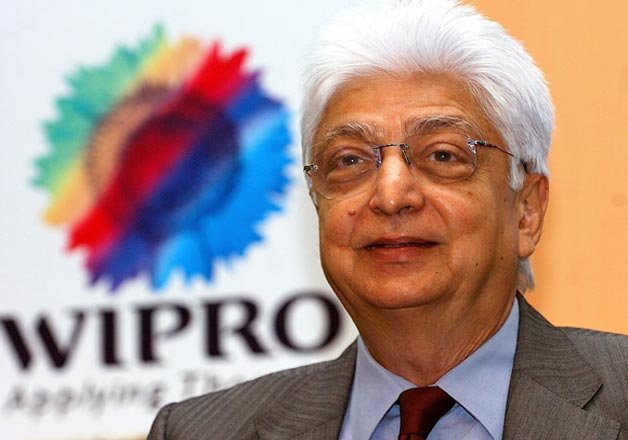
Allahabad HC Quashes Labour Law Case Against Azim Premji
Court Says Corporate Heads Cannot Be Prosecuted Mechanically
Summoning Orders Must Show Judicial Application of Mind
By Our Legal Correspondent
New Delhi: May 26, 2026:
The Allahabad High Court has quashed criminal proceedings and a summoning order against Wipro Chairman Azim Premji in a labour law violation case, ruling that corporate leaders cannot be held vicariously liable merely due to their designation without specific allegations of active involvement. This judgment reinforces judicial standards on corporate criminal liability and the need for courts to apply their mind before issuing summons.
Disputes involving public sector undertakings, commercial contracts, and regulatory obligations frequently raise important questions concerning administrative fairness, contractual interpretation, and statutory compliance. Judicial scrutiny in such matters helps define the legal responsibilities of government-owned enterprises and private stakeholders alike. Readers interested in these issues can explore M/s Gas Authority of India, a judgment that examines significant legal principles relevant to commercial and regulatory litigation.
Key Laws and Rules Discussed
1. Labour Law Compliance
- The case involved alleged violations of statutory obligations relating to wages, provident fund, and ESI contributions.
- These obligations are governed by laws such as the Payment of Wages Act, 1936, Employees’ Provident Funds and Miscellaneous Provisions Act, 1952, and Employees’ State Insurance Act, 1948.
2. Principle of Vicarious Liability in Criminal Law
- The High Court emphasized that criminal liability cannot be fastened mechanically on company directors or chairpersons unless statutes specifically provide for vicarious liability.
- Mere designation as Chairman or MD does not automatically imply responsibility for day-to-day compliance.
3. Judicial Standards for Summoning Orders
- The Court noted that summoning an accused is a serious matter requiring judicial application of mind.
- Orders must reflect satisfaction that sufficient grounds exist to proceed, as per Section 204 of the Code of Criminal Procedure (CrPC).
- The impugned order was found to be “cryptic and non-speaking,” failing to discuss statutory provisions or evidence.
4. Independent Contractor Principle
- Wipro had outsourced security services to G4S Secure Solutions India Pvt Ltd, which was solely responsible for labour law compliance for its employees.
- The Court accepted that Premji had no administrative or managerial control over G4S, reinforcing the principle that liability rests with the actual employer.
Analytical Insights
- Corporate Governance Implication: The ruling protects corporate leaders from frivolous prosecutions, ensuring liability is tied to actual involvement.
- Judicial Oversight Strengthened: By insisting on reasoned summoning orders, the Court reinforces due process safeguards.
- Labour Law Enforcement Challenge: While compliance remains critical, enforcement must target the responsible entity, not distant corporate heads.
- Precedent Value: The judgment aligns with earlier rulings that directors cannot be prosecuted without specific allegations of active participation.
Detailed FAQ on Legal Points
Q1. Why was Azim Premji summoned in the first place?
Because a complaint alleged labour law violations at Wipro’s Lucknow office, naming him as Chairman and MD.
Q2. Why did the High Court quash the case?
Because there were no specific allegations of his involvement, and liability cannot be imposed mechanically based on designation.
Q3. What is vicarious liability in corporate law?
It is when company officers are held responsible for offences committed by the company. Courts require statutes to explicitly provide for such liability.
Q4. What did the Court say about summoning orders?
They must reflect judicial application of mind, discuss evidence, and show satisfaction that grounds exist to proceed. Mechanical orders are invalid.
Q5. Who was actually responsible for compliance in this case?
The outsourced contractor, G4S Secure Solutions India Pvt Ltd, which employed the staff and was responsible for wages and statutory dues.
Q6. What precedent does this set?
It reinforces that corporate leaders cannot be prosecuted without clear evidence of active involvement, protecting them from harassment through frivolous complaints.
Conclusion
The Allahabad High Court’s decision in Azim Premji vs. State of U.P. is a significant reaffirmation of judicial principles in corporate criminal liability. By quashing the case, the Court clarified that designation alone cannot attract criminal responsibility and that summoning orders must be reasoned and evidence-based. This ruling strengthens corporate governance protections while ensuring that labour law enforcement remains focused on the actual employer responsible for compliance.