
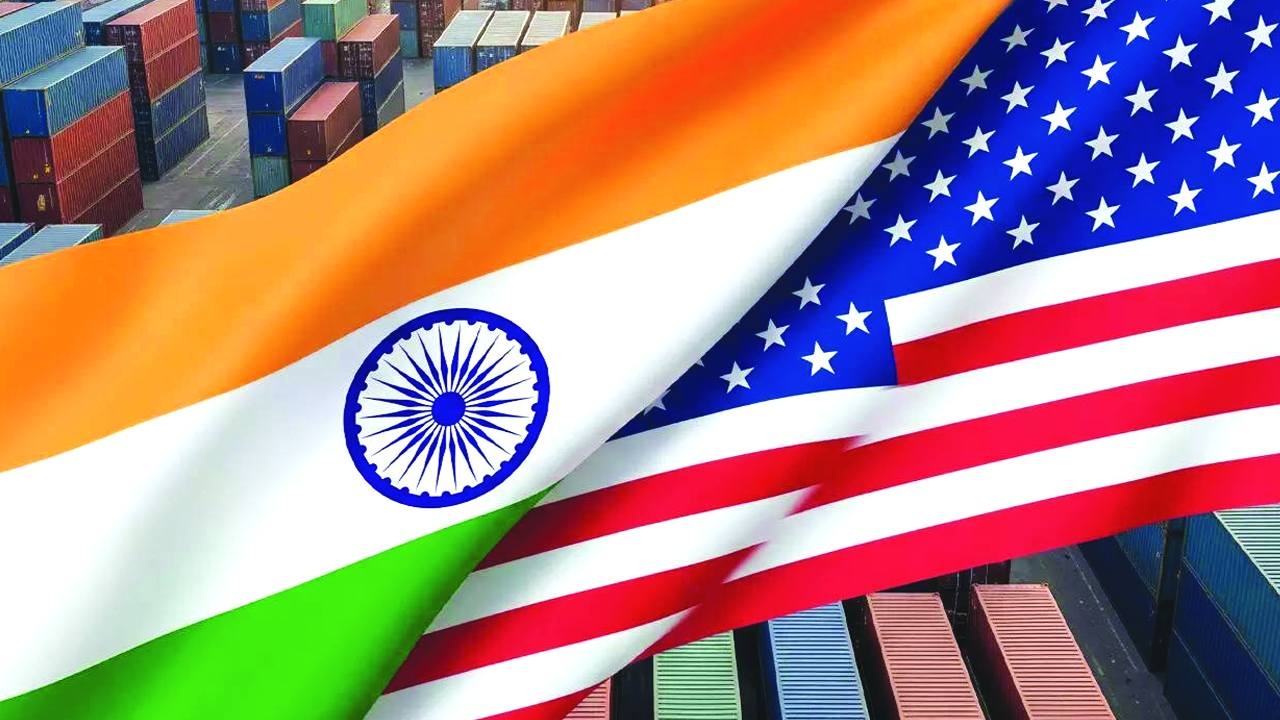
India–U.S. Trade Expansion: Navigating Disputes with Strategy
Payment Defaults, Quality Gaps, and Logistics Bottlenecks Dominate Cross-Border Conflicts
Understanding the legal validity of wills and succession planning is essential to avoid disputes over property after death. Courts have repeatedly clarified the importance of proper execution, attestation, and clarity in testamentary documents. For a deeper legal understanding, refer to this comprehensive guide on Supreme Court judgments on wills in India , which compiles landmark rulings explaining how courts interpret wills, resolve ambiguities, and protect the rights of beneficiaries. This resource serves as a valuable reference for anyone involved in estate planning or inheritance disputes.
Arbitration Clauses Provide a Universal Shield for Corporations, SMEs, and Solo Entrepreneurs
By Vishwas Kumar
New Delhi: May 04, 2026:
Expanding into the U.S. market is a lucrative opportunity for Indian businesses, but it comes with predictable friction points: delayed payments, mismatched quality standards, logistical breakdowns, and trade restrictions. These disputes, if unmanaged, can escalate into costly litigation. The strategic solution lies in well-drafted arbitration clauses and clear contractual frameworks that are enforceable across both jurisdictions.
1. Payment Defaults: Protecting Cash Flow
- Risk: U.S. buyers may delay or refuse payment.
- Strategy: Contracts must specify payment timelines, penalties, and arbitration as the dispute resolution mechanism.
- Practical Tip: Even small businesses should insist on arbitration clauses—email confirmations referencing arbitration can be enforceable under Indian law.
2. Quality Standards: Aligning Expectations
- Risk: Goods rejected for not meeting FDA/USDA or BIS standards.
- Strategy: Define quality benchmarks in contracts, include inspection rights, and reference applicable standards.
- Practical Tip: SMEs should avoid vague specifications—clarity reduces disputes and strengthens enforceability.
3. Delivery & Logistics: Managing Risk Transfer
- Risk: Customs delays, damaged goods, unclear responsibilities.
- Strategy: Use Incoterms 2020 to define risk transfer points (FOB, CIF, etc.).
- Practical Tip: Solo entrepreneurs should stick to simple Incoterms to avoid hidden liabilities.
4. Trade Restrictions: Staying Compliant
- Risk: Sanctions, tariffs, export control violations.
- Strategy: Include compliance warranties in contracts and monitor U.S. EAR (Export Administration Regulations) and India’s Foreign Trade Act updates.
- Practical Tip: SMEs should subscribe to trade compliance alerts—penalties can cripple small operations.
Arbitration: The Equalizer Across Borders
Recent rulings in India and the U.S. confirm arbitration’s enforceability even in informal agreements. For businesses of all sizes, arbitration offers:
- Neutrality: Avoids bias of foreign courts.
- Enforceability: Awards recognized under the New York Convention.
- Cost Control: SMEs can choose low-cost institutions (Indian Council of Arbitration) instead of expensive global forums.
Strategic Insight: Large corporations’ benefit from institutional arbitration (SIAC, ICC), while SMEs and solo entrepreneurs should opt for simpler, cost-effective arbitration clauses with clear seat, language, and governing law.
FAQs
Q1. Why is arbitration better than litigation in cross-border disputes?
Because it is faster, neutral, and enforceable in both India and the U.S. under the New York Convention.
Q2. Can small businesses afford arbitration?
Yes. By choosing cost-effective institutions and avoiding multi-tiered procedures, arbitration remains accessible.
Q3. How can quality disputes be minimized?
By specifying standards (BIS, FDA/USDA) and inspection rights in contracts.
Q4. What role do Incoterms play in logistics disputes?
They define when risk transfers from seller to buyer, preventing ambiguity in case of delays or damage.
Q5. How do trade restrictions affect small exporters?
Violations can lead to severe penalties. Compliance clauses and monitoring regulatory updates are essential safeguards.
Editorial Conclusion
For Indian businesses eyeing U.S. expansion, the battlefield is not just the marketplace—it’s the contract. Payment defaults, quality mismatches, logistics failures, and trade restrictions are inevitable, but they can be neutralized with strategic arbitration clauses, clear Incoterms, and compliance warranties.
Whether you are a large corporation or a solo entrepreneur, the same principle applies clarity in contracts is your best defence. Arbitration is not just a legal safeguard—it is the strategic equalizer that ensures your business thrives across borders.