
Working Abroad: Staying Compliant with India’s Tax Residency Rules
Physical presence drives India’s residency classification
Global workers must align with treaty frameworks
By Legal Reporter
New Delhi: April 10, 2026:
Indian professionals working abroad must carefully track their days of stay in India to determine tax residency. Under Indian law, residency is based primarily on physical presence, and failing to comply can expose individuals to taxation on global income. Dual residency issues can be resolved using tax treaties and OECD tie-breaker rules.
To explore key legal rulings on wills and probate disputes, refer to this comprehensive collection of Supreme Court judgments on wills .
Key Issues in Tax Residency
1. India’s Physical Presence Test
- Resident: Stay in India for 182 days or more in a tax year, or 60 days in a tax year plus 365 days over the preceding four years.
- Non-Resident: Fails to meet the above conditions.
- Special provisions: For Indian citizens leaving for employment abroad, the 60-day threshold is extended to 182 days. For visitors with Indian income above ₹15 lakh, the threshold is 120 days.
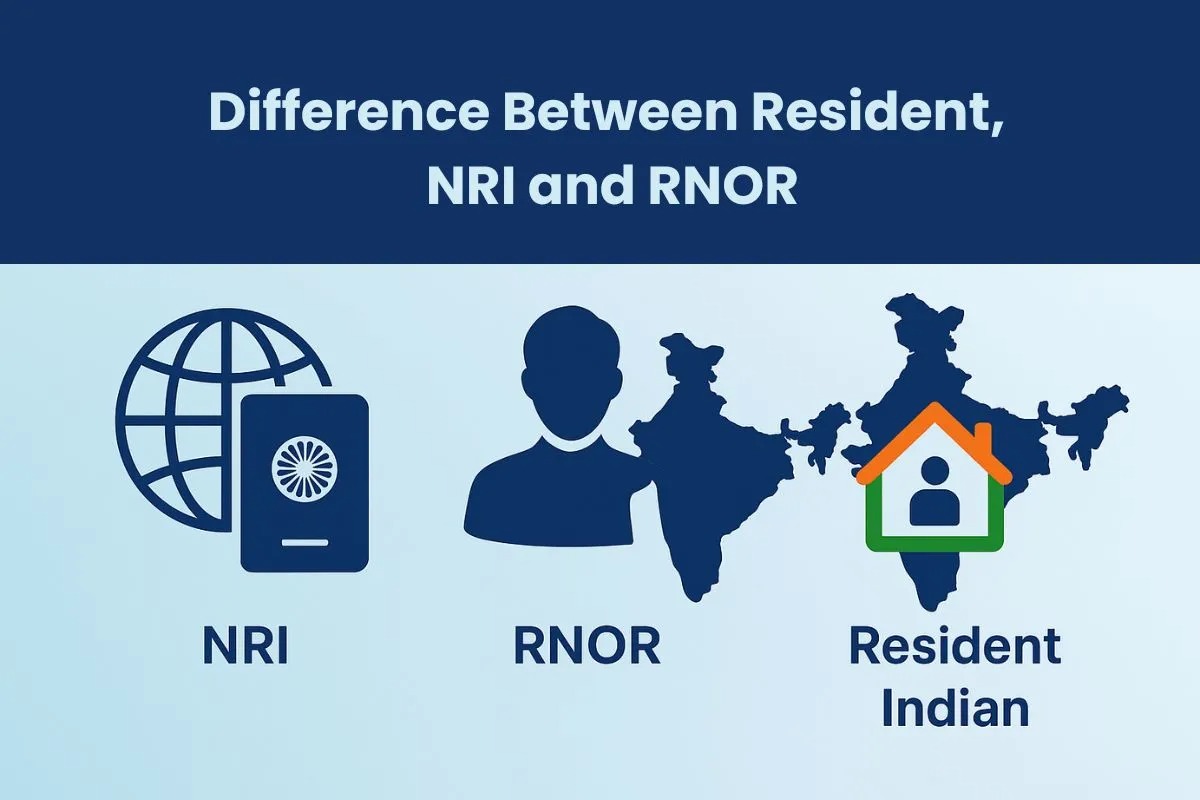
2. Categories of Residency
- Resident and Ordinarily Resident (ROR): Taxed on worldwide income.
- Resident but Not Ordinarily Resident (RNOR): Taxed only on Indian income and income from businesses controlled in India.
- Non-Resident (NR): Taxed only on Indian-source income.
RNOR status often benefits returning expatriates, shielding foreign income temporarily.
3. International Comparison
- India relies heavily on days of stay.
- Countries like the US, UK, and Australia use multi-factor tests, considering family location, permanent home, and economic interests.
- OECD’s tie-breaker rules resolve dual residency by assessing permanent home, centre of vital interests, habitual abode, and nationality.
[LEGAL RESEARCH RESOURCES]
EXTRACTS FROM BOOK, WILL WRITING SIMPLIFIED, By Dr Ravinder Kumar Anand. [📘 Buy Will Writing Simplified online: Amazon | Flipkart ]
4. Practical Compliance Challenges
- Authorities verify residency using passport stamps, immigration records, airline itineraries, and employment contracts.
- Digitisation allows independent verification of travel history.
- Professionals must maintain accurate records to avoid disputes.
5. Case Studies
- Employment abroad mid-year: Leaving India for overseas work before completing 182 days makes one a non-resident.
- Short-term assignment abroad: Returning within the same year may still keep one below 182 days, qualifying as non-resident.
- Long-term relocation: Extended absence but prior presence exceeding 365 days in four years may still trigger residency.
FAQs
Q1. How is tax residency determined in India?
By counting physical presence days—182 days or 60+365 days rule.
Q2. What is RNOR status?
Resident but Not Ordinarily Resident; taxed only on Indian income, not worldwide income.
Q3. Do Indian citizens leaving for employment abroad get special treatment?
Yes. The 60-day threshold is extended to 182 days.
Q4. How do other countries determine residency?
They use multi-factor tests including family, home, and economic ties.
Q5. What if I qualify as resident in two countries?
Apply OECD tie-breaker rules under tax treaties to resolve dual residency.
Q6. What documents are checked by Indian tax authorities?
Passport stamps, immigration records, airline bookings, and employment contracts.
Q7. Is global income taxable for Indian residents?
Yes, if classified as Resident and Ordinarily Resident (ROR).
Q8. Can RNOR status help returning expatriates?
Yes. It shields foreign income temporarily until full residency applies.
Q9. How often is residency determined?
Annually, based on physical presence in each tax year.
Q10. What is the best way to stay compliant?
Maintain accurate travel records, monitor days of stay, and review residency annually.
Conclusion
In a globalised workforce, Indian professionals must proactively manage tax residency. India’s rules are mechanical, based on physical presence, but international treaties and OECD guidelines provide relief in dual residency cases. Accurate record-keeping and annual reassessment are essential to avoid unexpected taxation on global income.