
India-New Zealand FTA: Duty-Free Access Opens Doors for Indian Startups and SMEs
Leather, Textiles, and Engineering Goods Among Key Beneficiaries
Legal Framework Simplifies Trade, Ensures Fair Play
By Vishwas Kumar
New Delhi: April 28, 2026:
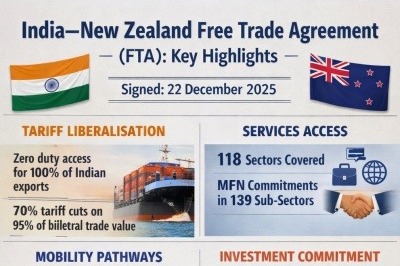
India and New Zealand signed a landmark Free Trade Agreement (FTA) in April 2026, eliminating duties on 100% of Indian exports to New Zealand. This pact is expected to double bilateral trade and attract $20 billion in investments over the next 15 years. For small businesses and startups in India, this agreement represents a significant opportunity to expand globally.
To understand how courts evaluate competing claims over property and assess the rights of legal representatives in inheritance disputes, read the judgment in Pappammal vs Jothi, which outlines key principles on succession, evidentiary burden, and resolution of civil property conflicts under Indian law.
Key Opportunities for Small Businesses and Startups
- Duty-Free Access: Indian exports such as textiles, plastics, leather, and engineering goods will now enter New Zealand without import duties. This reduces costs and makes Indian products more competitive.
- Sectoral Boosts:
- Leather Industry: Agra’s leather exporters can now sell at lower prices, increasing demand.
- Textiles & Apparel: SMEs in Tiruppur and Surat gain easier access to New Zealand’s fashion market.
- IT & Services: Startups in IT-enabled services, education, and tourism can tap into New Zealand’s service sector.
- Professional Opportunities: Up to 5,000 skilled Indian professionals can work in New Zealand for three years under a new visa pathway, creating opportunities for startups to expand operations abroad.
- Wine & Spirits: Indian producers gain duty-free access, opening niche markets.
Legal Framework Explained Simply
The FTA is structured into 20 chapters covering trade rules and dispute resolution. Here’s the simplified breakdown:
- Trade in Goods: All Indian exports to New Zealand are duty-free. Imports from New Zealand get concessions but with safeguards.
- Rules of Origin: Products must be genuinely made in India to qualify for benefits.
- Services: Indian IT, education, and financial services gain market access.
- Customs Procedures: Simplified paperwork and faster clearance.
- Sanitary & Phytosanitary Measures: Ensures food and agricultural products meet safety standards.
- Dispute Resolution: If disagreements arise, both countries follow a legal process to resolve them fairly.
- Exclusion List: Sensitive items like dairy, onions, sugar, and jewellery are excluded to protect Indian farmers and industries.
Strategic Benefits
- Market Expansion: SMEs can diversify exports beyond traditional markets like the US and EU.
- Cost Reduction: Duty elimination lowers entry barriers.
- Investment Flow: New Zealand’s $20 billion investment commitment can support Indian startups in construction, tourism, and IT.
- Balanced Protection: India has safeguarded sensitive sectors (dairy, gems, jewellery) to prevent harm to local producers.
Risks and Challenges
- Competition: New Zealand’s agricultural exports (apples, kiwifruit, honey) may challenge Indian farmers.
- Compliance Costs: SMEs must meet international standards, which may require investment in quality upgrades.
- Quota Limits: Some concessions are capped, limiting unlimited imports.
Conclusion
The India-New Zealand FTA is a gamechanger for Indian SMEs and startups, offering duty-free access, investment inflows, and professional mobility. With proper compliance and strategic planning, small businesses can leverage this deal to expand globally while India safeguards its sensitive sectors.
FAQs
Q1: What is the biggest benefit for Indian small businesses?
A1: Duty-free access to New Zealand markets, making Indian products cheaper and more competitive.
Q2: Which sectors benefit the most?
A2: Leather, textiles, engineering goods, IT services, and wine & spirits.
Q3: Are all products included?
A3: No. Sensitive items like dairy, onions, sugar, and jewellery are excluded.
Q4: How does the visa pathway help startups?
A4: It allows 5,000 skilled professionals to work in New Zealand for three years, enabling startups to expand operations abroad.
Q5: What protections exist for Indian farmers?
A5: Imports of dairy and certain agricultural products are excluded or limited by quotas and minimum price requirements.
Q6: How much investment is expected from New Zealand?
A6: $20 billion over 15 years, supporting sectors like IT, construction, and tourism.