
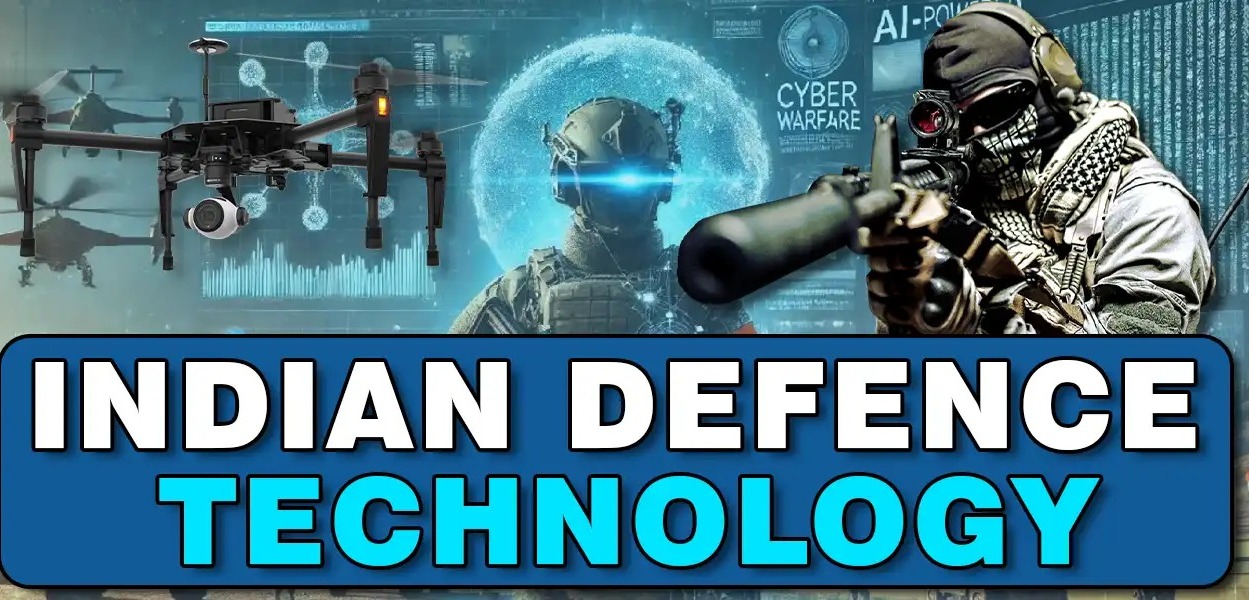
India’s Defence Tech Framework Fuels Global Export Surge
DAP 2020 and DPEP 2020 unlock innovation pathways
Success stories highlight Make in India’s export momentum
By Vishwas Kumar
New Delhi: May 07, 2026:
India’s defence technology sector is undergoing a transformation, powered by a robust legal and regulatory framework that encourages innovation and positions domestic firms for global competitiveness. Three pillars stand out: Defence Acquisition Procedure (DAP 2020), Defence Production and Export Policy (DPEP 2020), and the Make in India reforms. Together, they create a structured environment where indigenous innovation is rewarded, exports are streamlined, and foreign collaboration is facilitated.
Legal and Regulatory Framework Driving Innovation & Exports
Defence Acquisition Procedure (DAP 2020)
- Indigenously Designed, Developed and Manufactured (IDDM) priority: Procurement rules mandate preference for Indian-origin systems.
- Simplified procurement categories: Clear classification of “Buy Indian” and “Buy Global” ensures transparency.
- Innovation incentives: MSMEs and startups are given special consideration in procurement bids.
Defence Production and Export Policy (DPEP 2020)
- Export facilitation: Simplifies licensing and approvals for defence exports.
- Targets: Aims to achieve USD 5 billion in defence exports by 2025.
- Industry support: Provides tax incentives, subsidies, and easier compliance norms for manufacturers.
Make in India (Defence)
- Structured “Make” categories: Supports projects led by startups, MSMEs, and academia.
- Innovation for Defence Excellence (iDEX): Provides funding, incubation, and validation for disruptive technologies.
- Public-private synergy: Encourages collaboration between DRDO, armed forces, and private industry.
Success Stories: Indian Defence Tech on the Global Stage
- Zen Technologies
- Launched India’s first AI-powered integrated anti-drone system.
- Demonstrates indigenous R&D maturity with layered neutralisation capabilities.
- Positioned for export to regions facing drone warfare threats.
- Bharat Electronics Limited (BEL)
- Exported radar and communication systems to Southeast Asia and Africa.
- Benefited from DPEP’s streamlined export approvals.
- Hindustan Aeronautics Limited (HAL)
- Exported Dhruv helicopters and signed contracts for Tejas fighter jets with Southeast Asian nations.
- Supported by DAP 2020’s IDDM prioritisation.
- L&T Defence
- Developed artillery and naval systems with export potential.
- Leveraged Make in India reforms to partner with global OEMs.
Strategic Implications
- Global competitiveness: Indian firms are now credible suppliers in AI, drones, radar, and aerospace.
- Legal certainty: Clear frameworks reduce compliance risks and attract foreign investment.
- Dual-use potential: AI, robotics, and cybersecurity innovations have both defence and civilian applications.
- Export diversification: Indian defence exports now reach over 80 countries, including in Africa, Southeast Asia, and Latin America.
FAQ: Legal Points for Defence Tech Innovation & Exports
Q1. What is the significance of DAP 2020?
A: It prioritises indigenous systems, simplifies procurement categories, and incentivises startups and MSMEs in defence innovation.
Q2. How does DPEP 2020 promote exports?
A: It streamlines licensing, sets ambitious export targets, and provides industry incentives to boost competitiveness.
Q3. What role does Make in India play in defence?
A: It supports startups and MSMEs through structured “Make” categories and iDEX funding, fostering innovation.
Q4. Can Indian firms collaborate with foreign companies?
A: Yes, liberalised FDI rules allow up to 74% foreign investment under the automatic route, encouraging joint ventures.
Q5. What are some success stories under these frameworks?
A: Zen Technologies’ AI anti-drone system, HAL’s Tejas exports, BEL’s radar systems, and L&T’s naval platforms showcase India’s growing global footprint.
Q6. How do these laws ensure innovation?
A: By mandating IDDM priority, funding disruptive technologies, and simplifying compliance, the framework ensures innovation thrives.
India’s defence tech ecosystem is no longer inward-looking. With DAP 2020, DPEP 2020, and Make in India reforms, Indian firms are leveraging legal clarity and policy support to innovate and export globally. Success stories like Zen Technologies and HAL prove that India is steadily becoming a defence exporter of choice.