
Digital Giants Under Fire: India’s Competition Law Faces Its Toughest Test Yet
Algorithmic Pricing & Data Monopolies: The New Antitrust Battlefield
CCI’s Crackdown on Big Tech Mergers and Market Abuse
By Vishwas Kumar
New Delhi: June 03, 2026:
India’s digital economy has undergone a dramatic transformation in the past decade. From being a largely offline, fragmented market in the early 2010s, the country has emerged as one of the fastest-growing digital ecosystems in the world. Today, India boasts over 850 million internet users, a thriving e-commerce sector valued at more than $200 billion, and a fintech industry that is reshaping how citizens interact with money. Social media platforms, search engines, and online marketplaces have become integral to everyday life, influencing not just consumer behaviour but also politics, culture, and education.
For deeper legal understanding on testamentary disputes, suspicious circumstances, probate principles, and inheritance rights, read our detailed guide on Supreme Court Judgments on Wills .
Yet, this meteoric rise has brought with it a set of complex challenges. The very firms that have enabled India’s digital revolution—global giants like Google, Meta, Amazon, and domestic players such as Flipkart and Paytm—are now under intense scrutiny. The Competition Commission of India (CCI), the statutory body established under the Competition Act, 2002, has emerged as a powerful watchdog, determined to ensure that the benefits of digital growth are not undermined by monopolistic practices.
The Rise of Big Tech and the Monopoly Question
Big Tech companies thrive on scale. Their business models are built around network effects, where the value of a platform increases as more users join. This creates a self-reinforcing cycle: more users attract more advertisers, which in turn generates more revenue, allowing firms to invest in better services and further entrench their dominance. While this cycle has driven innovation and convenience, it has also raised concerns about market concentration.
In India, Google controls over 95% of the search engine market, Meta dominates social media with Facebook, Instagram, and WhatsApp, and Amazon and Flipkart together account for more than 60% of e-commerce transactions. Such dominance inevitably raises questions: Are these firms abusing their market power? Are they stifling competition by leveraging their control over data, algorithms, and infrastructure?
CCI’s Expanding Role
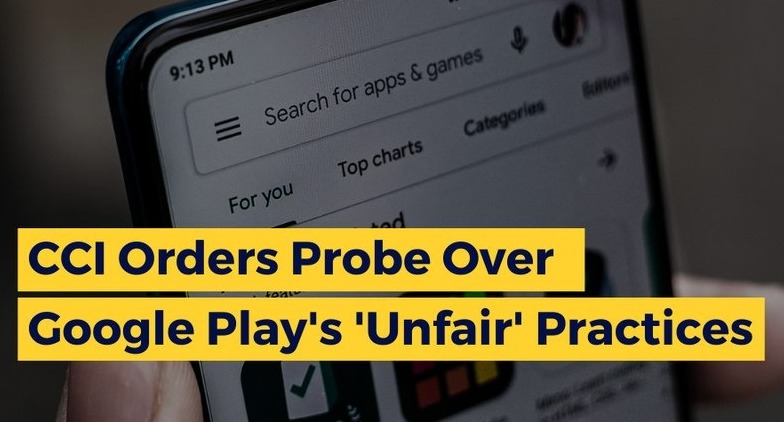
The CCI was initially seen as a relatively passive regulator, focusing on traditional industries like cement, steel, and pharmaceuticals. However, in the past five years, it has reinvented itself as one of the most aggressive antitrust authorities globally. The turning point came with the Google Android case in 2019, where the CCI imposed a fine of ₹1,337 crore for abuse of dominance in the mobile operating system market. This was followed by investigations into Amazon’s preferential treatment of sellers, Meta’s advertising practices, and even smaller fintech firms accused of cartel-like behaviour.
By 2026, the CCI has positioned itself at the forefront of digital regulation. It has introduced compliance frameworks requiring Big Tech firms to submit annual competition audits, expanded its investigative capacity with AI-driven monitoring tools, and collaborated with international regulators to share intelligence on cross-border mergers and acquisitions.
Algorithmic Pricing: The Invisible Collusion
One of the most pressing challenges in the digital economy is algorithmic pricing. E-commerce platforms and ride-hailing apps use sophisticated algorithms to adjust prices in real time based on demand, supply, and consumer behaviour. While dynamic pricing can benefit consumers by offering lower prices during off-peak hours, it can also lead to tacit collusion.
For example, if two competing platforms use similar algorithms trained on overlapping datasets, they may end up setting prices at identical levels, effectively eliminating competition without any explicit agreement. The legal question is profound: Can algorithms be held liable under Section 3 of the Competition Act, which prohibits anti-competitive agreements? And if so, how can regulators prove intent when decisions are made by machines rather than humans?
The CCI has already launched probes into algorithmic pricing in the food delivery and e-commerce sectors. These investigations are being closely watched, as they could set global precedents for regulating AI-driven markets.
Data Monopolies: The New Oil
Data has often been described as the “new oil” of the digital economy. Firms that control vast datasets can predict consumer behaviour, personalize advertising, and optimize supply chains. However, this control also creates barriers to entry. Startups without access to comparable datasets struggle to compete, leading to concerns that data monopolies are entrenching Big Tech dominance.
In India, this debate has intensified with the rise of digital payments and fintech. Companies like Paytm, PhonePe, and Google Pay process billions of transactions, generating invaluable insights into consumer spending patterns. The question before regulators is whether such data should be treated as an “essential facility,” akin to electricity or water, which must be shared with competitors on fair terms.
Merger Control and Killer Acquisitions
Another area of concern is merger control. Big Tech firms often acquire startups not to integrate their technology but to eliminate potential competition. These so-called “killer acquisitions” have been documented in the US and EU, and India is now grappling with similar issues.
For instance, Amazon’s acquisition of small logistics firms has raised questions about whether it is consolidating control over supply chains. Similarly, Google’s investments in Indian startups have sparked debates about whether these deals are designed to neutralize future rivals. The CCI has responded by tightening merger thresholds and requiring detailed disclosures for acquisitions in the digital sector.
Global Context and India’s Position
India is not alone in this battle. The European Union’s Digital Markets Act (DMA) imposes strict obligations on “gatekeepers,” requiring them to share data, allow interoperability, and refrain from self-preferencing. In the US, the Department of Justice and Federal Trade Commission have filed lawsuits against Google and Meta, accusing them of monopolistic practices.
India’s approach is unique in that it combines elements of both systems while tailoring them to local realities. The proposed Digital Competition Act, currently under review, aims to create a specialized framework for regulating Big Tech, with provisions for algorithmic accountability, data-sharing mandates, and stricter merger controls.
Why This Matters
The stakes could not be higher. At one level, this is about protecting consumers from exploitative pricing and ensuring startups have a fair chance to compete. At another level, it is about safeguarding India’s digital sovereignty. If foreign tech giants are allowed to dominate unchecked, India risks becoming dependent on external platforms for critical infrastructure, from payments to cloud computing.
Moreover, competition law is not just about economics—it is about democracy. Platforms that control information flows can influence public opinion, elections, and social discourse. Ensuring that these platforms operate fairly is essential for maintaining the integrity of India’s democratic institutions.
Setting the Stage for Deeper Analysis
This introduction highlights the key themes that will be explored in depth throughout the article:
- The legal framework of the Competition Act, 2002.
- The challenges of regulating algorithmic pricing and AI collusion.
- The implications of data monopolies for startups and consumers.
- The risks of killer acquisitions and the need for stricter merger control.
- Landmark cases that have shaped India’s competition law landscape.
- Comparative perspectives from the EU and US.
- Policy recommendations for balancing innovation with regulation.
By situating India’s competition law within both domestic and global contexts, this article aims to provide a comprehensive understanding of how regulators are grappling with the complexities of the digital age.
Legal Framework: Competition Act, 2002
- Section 3: Prohibits anti-competitive agreements, including cartels and collusion.
- Section 4: Prevents abuse of dominant position (e.g., predatory pricing, refusal to deal).
- Sections 5 & 6: Regulate mergers and acquisitions that may cause “appreciable adverse effect on competition.”
- Enforcement: CCI can impose fines up to 10% of turnover and order structural remedies.
Algorithmic Pricing & AI Collusion
- Issue: AI-driven dynamic pricing models adjust prices in real time, potentially leading to tacit collusion without human intent.
- Legal Challenge: Can algorithms be “parties” to anti-competitive agreements?
- Case Study: CCI’s ongoing probe into e-commerce platforms using algorithmic pricing to maintain artificially high prices. Khanna & Associates
- Global Comparison: EU’s Digital Markets Act (DMA) explicitly addresses algorithmic collusion; India is considering similar provisions in its proposed Digital Competition Act.
Data Monopolies & Market Entry Barriers
- Big Tech Control: Firms like Google, Meta, and Amazon hold vast consumer datasets.
- Barrier to Entry: Startups struggle to compete without access to comparable data pools.
- Legal Debate: Should data be treated as an “essential facility” under competition law?
- Case Example: Google fined for leveraging Android dominance to restrict app developers. startupsolicitors.com
Merger Control & Killer Acquisitions (Approx. 400 words)
- Concept: “Killer acquisitions” occur when dominant firms buy startups to eliminate future competition.
- CCI’s Role: Scrutinizing acquisitions by Amazon, Flipkart, and Google.
- Recent Development: Proposed Digital Competition Bill includes stricter merger thresholds for tech firms. Khanna & Associates
Landmark Cases & Developments (Approx. 400 words)
- Google Android Case (2019): ₹1,337 crore fine for abuse of dominance.
- Meta (2023–24): Fined for unfair practices in advertising markets.
- 2026 Updates: CCI introducing compliance frameworks requiring Big Tech firms to submit annual competition audits. Khanna & Associates
Comparative Perspective
- EU: Digital Markets Act imposes obligations on “gatekeepers.”
- US: DOJ and FTC lawsuits against Google and Meta.
- India: Moving towards a Digital Competition Act, aligning with global best practices. Khanna & Associates
Policy Implications & Future Outlook
- Need for Specialized Law: India’s Digital Competition Bill expected to pass by late 2026.
- Balancing Innovation & Regulation: Ensuring startups thrive while preventing monopolistic abuse.
- Consumer Protection: Stronger safeguards against exploitative pricing and data misuse.
Expanded FAQs (40 Questions)
Q1. What is the Competition Commission of India (CCI)?
The CCI is India’s antitrust regulator established under the Competition Act, 2002. It ensures fair competition and prevents abuse of market dominance.
Q2. What does Section 3 of the Competition Act cover?
Section 3 prohibits anti-competitive agreements, including cartels, collusion, and practices that restrict trade.
Q3. What does Section 4 of the Competition Act cover?
Section 4 deals with abuse of dominant position, such as predatory pricing, refusal to deal, or unfair conditions imposed by a dominant firm.
Q4. What is algorithmic pricing?
Algorithmic pricing uses AI to adjust prices dynamically. It can benefit consumers but may also lead to tacit collusion.
Q5. Can algorithms be held liable under competition law?
Legally, liability falls on firms using algorithms, not the algorithms themselves. Regulators must prove intent or effect.
Q6. What is tacit collusion?
Tacit collusion occurs when firms indirectly coordinate prices or strategies without explicit agreements, often through algorithms.
Q7. Why is data considered a competition issue?
Control over large datasets creates barriers to entry, making it hard for startups to compete with Big Tech.
Q8. What is an “essential facility” in competition law?
It refers to infrastructure or resources critical for competition, which dominant firms may be required to share fairly.
Q9. What are killer acquisitions?
Killer acquisitions occur when dominant firms buy startups to eliminate potential competition rather than integrate innovation.
Q10. How does CCI regulate mergers?
Through Sections 5 and 6, requiring notification of mergers and assessing their impact on competition.
Q11. What penalties can CCI impose?
CCI can levy fines up to 10% of turnover, order structural remedies, or annul agreements.
Q12. What was the Google Android case?
In 2019, CCI fined Google ₹1,337 crore for abusing dominance in the mobile OS market by restricting app developers.
Q13. What was the Meta advertising case?
Meta was fined for unfair practices in digital advertising markets, including self-preferencing and data misuse.
Q14. How does CCI monitor digital markets?
It uses AI-driven monitoring tools, compliance audits, and international cooperation with other regulators.
Q15. What is the Digital Competition Act?
A proposed law to regulate Big Tech specifically, focusing on algorithmic accountability, data sharing, and stricter merger control.
Q16. How does India’s approach compare to the EU?
The EU’s Digital Markets Act imposes strict obligations on gatekeepers. India is moving toward similar but locally tailored rules.
Q17. How does India’s approach compare to the US?
The US relies on litigation by DOJ and FTC. India uses proactive regulation through CCI orders and penalties.
Q18. Why is competition law important for startups?
It prevents monopolistic practices, ensuring startups can enter and grow in digital markets.
Q19. How does competition law protect consumers?
By preventing exploitative pricing, ensuring choice, and promoting innovation.
Q20. What is predatory pricing?
Selling below cost to drive competitors out of the market, prohibited under Section 4.
Q21. What is self-preferencing?
When platforms favor their own products or services over competitors, often seen in e-commerce and search engines.
Q22. What role does NCLAT play?
The National Company Law Appellate Tribunal hears appeals against CCI orders.
Q23. Can Supreme Court review CCI decisions?
Yes, CCI orders can be challenged before NCLAT and further appealed to the Supreme Court.
Q24. What is market dominance?
A firm’s ability to operate independently of competitive forces, often measured by market share and control over resources.
Q25. How is market share calculated?
By assessing revenue, user base, or transaction volume in a given sector.
Q26. What is abuse of dominance?
Practices like predatory pricing, refusal to supply, or imposing unfair conditions by a dominant firm.
Q27. What is cartelization?
An agreement among competitors to fix prices, limit production, or divide markets, strictly prohibited.
Q28. How does CCI investigate cases?
Through suo motu action, complaints, or references, followed by detailed inquiry and hearings.
Q29. What is a cease-and-desist order?
An order directing firms to immediately stop anti-competitive practices.
Q30. Can foreign firms be penalized by CCI?
Yes, if their practices affect competition in Indian markets.
Q31. What is interoperability in digital markets?
Allowing different platforms or services to work together, reducing lock-in effects.
Q32. Why is interoperability important?
It prevents monopolies by ensuring consumers can switch platforms easily.
Q33. What is dynamic pricing in e-commerce?
Adjusting prices in real time based on demand, supply, and consumer behaviour.
Q34. How does dynamic pricing differ from collusion?
Dynamic pricing is legal unless it results in coordinated outcomes that harm competition.
Q35. What is retrospective taxation in digital markets?
Applying tax rules to past transactions, often controversial for fairness and legality.
Q36. How does competition law intersect with data protection?
Both regulate how firms use consumer data, but competition law focuses on market fairness.
Q37. What is the role of compliance audits?
Audits ensure firms follow competition rules, often mandated annually for Big Tech.
Q38. How does CCI collaborate internationally?
By sharing intelligence with EU, US, and other regulators on cross-border mergers and practices.
Q39. What is consumer welfare in competition law?
Ensuring consumers benefit from lower prices, better quality, and more choices.
Q40. What is the future of competition law in India?
India is moving toward a Digital Competition Act, stricter enforcement, and global alignment to regulate Big Tech effectively.