
Indemnity Obligations Clarified: Supreme Court’s Landmark Ruling
Liability crystallisation is the trigger, not appellate confirmation
Arbitration clauses must be read harmoniously to avoid nullity
By Legal Reporter
New Delhi: April 17, 2026:
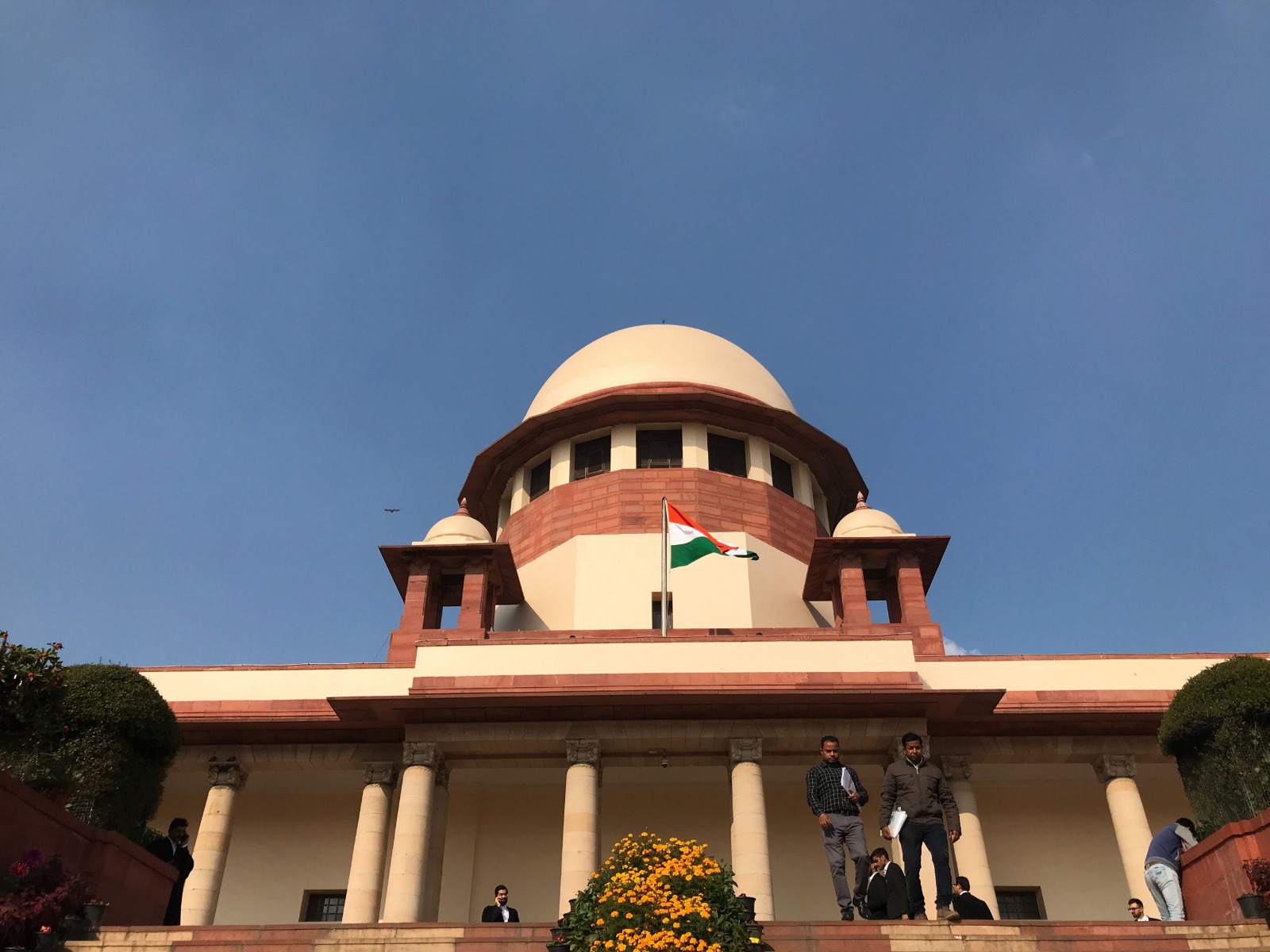
The Supreme Court of India has clarified that indemnity obligations under a Consent Award are triggered upon crystallisation of liability, not after final appellate confirmation. This ruling ensures indemnity holders can demand immediate protection once liability materialises, preventing indefinite delays through prolonged litigation.
Background of the Case
The dispute arose from a Share Purchase Agreement and a subsequent Deed of Compromise between VPS Healthcare Pvt. Ltd. and the promoters of Rockland Hospitals (later Medeor Hospitals). The compromise was recorded in a Consent Award issued by the Singapore International Arbitration Centre (SIAC).
Under this Consent Award, the promoters undertook to defend certain proceedings and ensure no liability would fall upon VPS/Medeor. Crucially, the award contained an indemnity clause requiring promoters to discharge liability within 30 days of confirmation by the highest appellate forum.
When an arbitral award against Medeor required a deposit of ₹15.86 crore, VPS sought enforcement of the Consent Award against the promoters. The Delhi High Court deferred enforcement, holding indemnity obligations arose only after confirmation by the Supreme Court. VPS appealed.
Supreme Court’s Key Observations
A Bench of Justice S.V.N. Bhatti and Justice Prasanna B. Varale overturned the High Court’s interpretation, holding:
- Indemnity law principle: If the indemnity holder incurs an absolute liability, they can immediately call upon the indemnifier to pay it off.
- Crystallisation of liability: The deposit of ₹15.86 crore constituted a crystallised liability, triggering indemnity obligations.
- Clause interpretation: The Court emphasised that contractual clauses must be read harmoniously. The obligation to “ensure no liability is recovered” is absolute and present, not contingent on appellate confirmation.
- Commercial intent: Allowing indemnifiers to delay until final appellate confirmation would defeat the protective purpose of indemnity and encourage endless litigation.
- Purposive vs. literal reading: The Court rejected purposive construction, opting for a plain reading of Paragraph 32(a), which imposed immediate obligations.
[Check detailed will cases here. Click the link here: https://www.courtkutchehry.com/pages/blog/123-supreme-court-judgments-on-wills/]
Laws and Rules Discussed
- Indian Contract Act, 1872 – Section 124 (Contract of Indemnity):
- Defines indemnity as a contract where one party promises to save another from loss caused by the conduct of the promisor or another person.
- The Court reiterated the principle from Khetarpal Amarnath that indemnity is enforceable once liability is absolute.
- Arbitration and Conciliation Act, 1996:
- Governs enforcement of arbitral awards in India.
- The Consent Award from SIAC was enforceable under this Act, subject to Indian courts’ interpretation of indemnity clauses.
- Principles of Contractual Interpretation:
- Clauses must be read together, not in isolation.
- No part of a contract should be rendered otiose (meaningless).
- Commercial intent must be preserved.
Impact of the Judgment
- Strengthens indemnity enforcement: Parties cannot delay obligations by exploiting appellate processes.
- Clarifies arbitration enforcement: Consent Awards with indemnity clauses are enforceable upon liability crystallisation.
- Commercial certainty: Businesses gain assurance that indemnity clauses provide immediate protection.
- Judicial precedent: Reinforces the principle that indemnity is not contingent on final appellate confirmation.
[RESEARCH RESOURCES]
BUY & READ BOOK, WILL WRITING SIMPLIFIED, By Dr Ravinder Kumar Anand. [📘 Buy Will Writing Simplified online: Amazon | Flipkart ]
FAQ: Key Legal Points
Q1: What is indemnity under Indian law?
Indemnity is a contractual promise to protect another party from losses. Under Section 124 of the Indian Contract Act, it becomes enforceable once liability is absolute.
Q2: When does indemnity obligation arise?
It arises upon crystallisation of liability—when liability is certain and enforceable, such as a court order or mandatory deposit.
Q3: Did the Supreme Court require final appellate confirmation?
No. The Court held indemnity obligations are not contingent on Supreme Court confirmation. Waiting for appellate confirmation would defeat the purpose of indemnity.
Q4: Why was the High Court’s interpretation rejected?
Because it isolated one clause (payment after appellate confirmation) while ignoring the broader obligation to ensure no liability is recovered. This made parts of the contract meaningless.
Q5: What precedent did the Court rely on?
The Court cited Khetarpal Amarnath, which established that indemnity holders can demand payment once liability is absolute.
Q6: What does this mean for arbitration awards?
Consent Awards with indemnity clauses are enforceable immediately upon liability crystallisation, ensuring faster protection for indemnity holders.
Q7: How much was involved in this case?
The liability crystallised at ₹15.86 crore, which the promoters were directed to pay within 30 days.
Conclusion
This ruling is a landmark clarification of indemnity law in India, ensuring that indemnity clauses in arbitration and commercial contracts provide real-time protection. By rejecting interpretations that defer obligations until appellate confirmation, the Supreme Court has reinforced the principle of commercial certainty and fairness in contractual enforcement.