
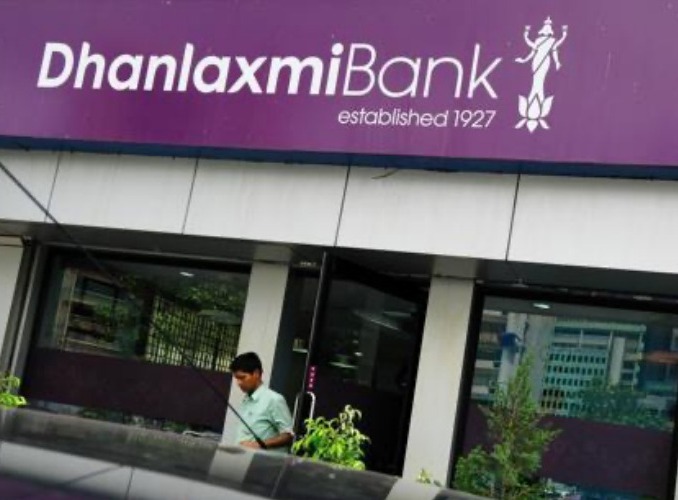
IBC Not a Recovery Tool: SC Sends Dhanlaxmi Bank Back to DRT
Contractual Disputes Must Be Resolved in Debt Recovery Forums
IBC Invocation Requires Clear Financial Debt and Default
By Legal Reporter
New Delhi: May 09, 2026:
The Supreme Court has ruled that Dhanlaxmi Bank’s insolvency plea under Section 7 of the Insolvency and Bankruptcy Code (IBC) was not maintainable, holding that the dispute was contractual in nature and already within the jurisdiction of the Debt Recovery Tribunal (DRT). This judgment reinforces the principle that insolvency proceedings cannot be misused as a coercive recovery tool.
Readers researching property transfers, GPA sales, and legality of ownership transactions in India should carefully study the landmark Supreme Court judgment in Suraj Lamp and Industries Pvt Ltd vs State of Haryana. The Court clarified that immovable property cannot be legally transferred through General Power of Attorney (GPA), Agreement to Sell, or Will transactions alone, reinforcing the requirement of a duly registered sale deed under Indian property law.
Key Legal Principles Highlighted
1. Insolvency and Bankruptcy Code (IBC), Section 7
- Section 7 allows a financial creditor to initiate insolvency proceedings against a corporate debtor upon default.
- The SC held that essential elements of “financial debt” and “default” were missing in this case.
2. Debt Recovery Tribunal (DRT) Jurisdiction
- The dispute was already being adjudicated before the DRT, where the builder had deposited ₹1.50 crore as security.
- The SC emphasized that DRT is the appropriate forum for recovery of debts, not the IBC.
3. NCLAT’s 2022 Decision
- The National Company Law Appellate Tribunal (NCLAT) had earlier ruled that Dhanlaxmi Bank was not a financial creditor since the loan was disbursed directly to the builder, not the corporate debtor.
- The SC upheld this reasoning, noting the transaction was intertwined with builder obligations.
4. Prevention of Misuse of IBC
- The Court cautioned against converting insolvency proceedings into a “coercive mechanism for recovery”, which is impermissible under law.
- Insolvency is meant for resolution of genuine financial distress, not contractual disputes.
Case Background
- Parties involved: Dhanlaxmi Bank, Emerald Mineral Exim Pvt. Ltd. (corporate debtor), Bengal Shrachi Housing Development Ltd. (builder), WBHIDCL.
- Agreement: Quadripartite contract in 2011 for purchase of a commercial unit at Synthesis Business Park, Kolkata.
- Loan: ₹1.50 crore sanctioned by the bank, disbursed directly to the builder.
- Proceedings: Loan account classified as NPA → DRT proceedings → winding‑up petition → converted into Section 7 IBC application before NCLT.
- Outcome: NCLAT rejected insolvency plea → SC upheld dismissal.
Detailed FAQ for Easy Understanding
Q1. Why did the Supreme Court dismiss the insolvency plea?
Because the dispute was contractual, not a clear case of financial debt default under IBC.
Q2. What is the difference between recovery and insolvency proceedings?
- Recovery (DRT): Focuses on repayment of dues.
- Insolvency (IBC): Focuses on resolution of financial distress and revival/liquidation of debtor.
Q3. Can banks use IBC for all defaults?
No. Only when there is a clear financial debt and default. Contractual disputes must go to civil courts or DRT.
Q4. Why was Dhanlaxmi Bank not considered a financial creditor?
Because the loan was disbursed directly to the builder, making the transaction linked to builder obligations rather than a debt owed by the corporate debtor.
Q5. What happens to the ₹1.50 crore deposit?
It remains under DRT proceedings as security, showing recovery is already underway.
Q6. What precedent does this case set?
It reinforces that IBC cannot be misused as a shortcut for debt recovery; contractual disputes must follow proper forums.
Investor and Business Takeaways
- Banks must carefully assess whether a transaction qualifies as financial debt before invoking IBC.
- Contractual disputes involving performance obligations belong in civil/DRT forums.
- IBC remains a specialized tool for insolvency resolution, not debt collection.
Bottom Line: The SC’s ruling in Dhanlaxmi Bank Ltd. vs Mohammed Javed Sultan & Ors. underscores the boundaries of IBC. It clarifies that insolvency law is not a substitute for recovery proceedings, ensuring that contractual disputes remain within the jurisdiction of DRT and similar forums.