
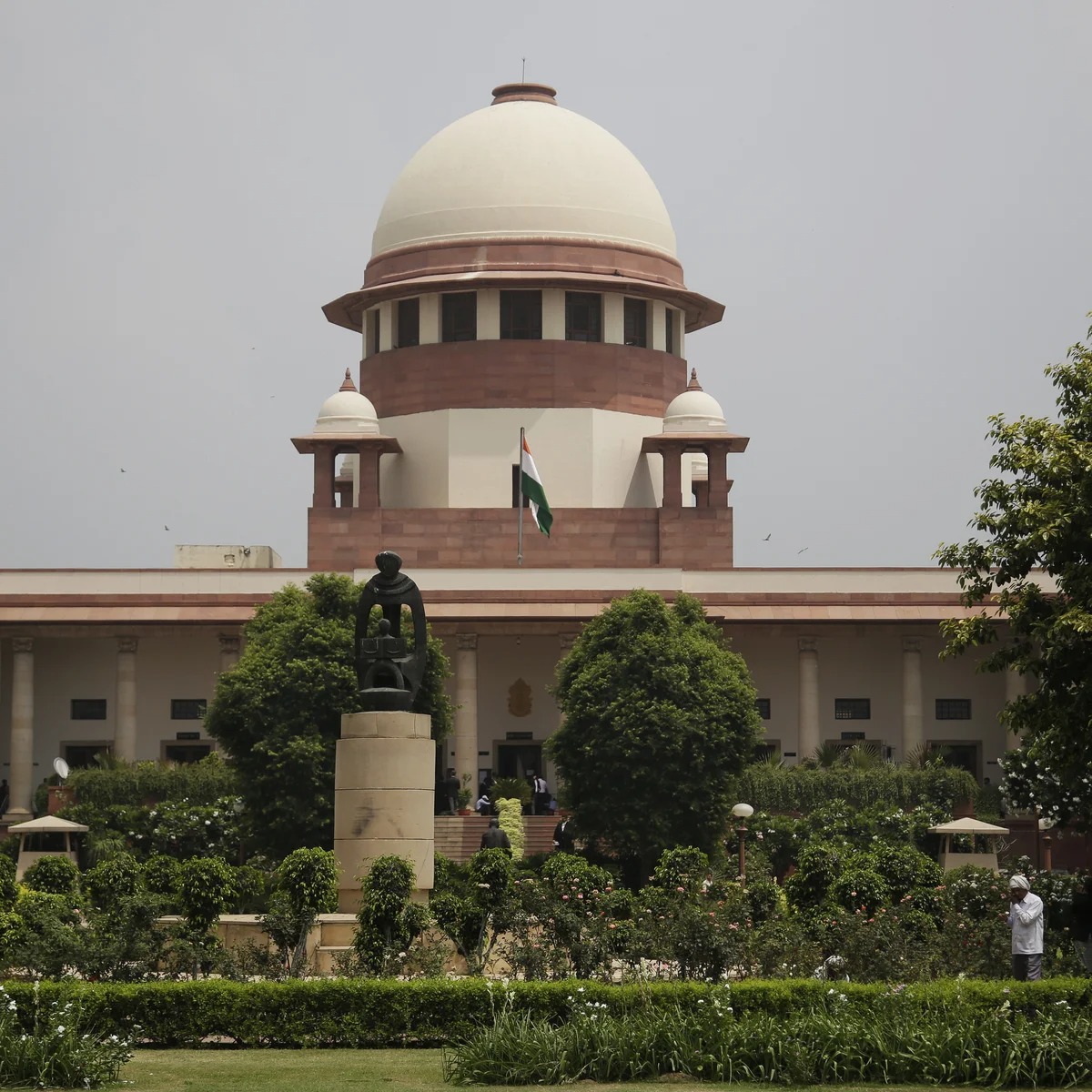
COURTKUTCHEHRY SPECIAL SERIES ON LANDMARKS JUDGEMENTS ON WILLS, CODICIL & PROBATE
Gurdev Kaur & Others v. Kaki & Others: Supreme Court Bars High Court from Re-Appreciating Facts Under Section 100 CPC
Concurrent Findings on Valid Will Upheld by Apex Court
High Court’s Interference Quashed; Appeal Allowed with Costs
By Vishwas Kumar
New Delhi: March 25, 2026:
In Gurdev Kaur & Others v. Kaki & Others (Civil Appeal No. 2083 of 2006, decided on 18 April 2006), the Supreme Court of India delivered a crucial ruling on the scope of appellate jurisdiction under Section 100 of the Code of Civil Procedure (CPC). The dispute centered on whether the High Court could interfere with concurrent factual findings of the lower courts that had upheld the validity of a Will.
read key inheritance case laws explained of Gurdev Kaur Case
The Will in question was executed in favour of the testator’s wife, a natural beneficiary. Both the trial court and the first appellate court found the Will to be genuine, duly executed, and free from suspicious circumstances. However, the High Court, exercising its powers under Section 100 CPC, reversed these findings, effectively invalidating the Will.
The Supreme Court bench, comprising Hon’ble Ms. Justice Ruma Pal and Hon’ble Mr. Justice Dalveer Bhandari, categorically held that such interference was impermissible. The Court emphasized that under Section 100 CPC, the High Court’s jurisdiction is confined to substantial questions of law, not re-appreciation of evidence or factual determinations. Since no substantial question of law was involved, the High Court had exceeded its authority.
Restoring the concurrent findings of the lower courts, the Supreme Court quashed the High Court’s judgment and allowed the appeal with costs. The ruling reinforces judicial discipline in appellate practice, ensuring that factual determinations by trial and first appellate courts are respected unless a clear legal issue arises.
This decision strengthens the principle that the validity of a Will, once established through proper evidence and upheld by concurrent courts, cannot be unsettled by unwarranted interference at the second appellate stage.
For More, Read Here the Summary of the Judgement from the Book: WILL WRITING SIMPLIFIED, read below or open page no 436, Chapter 14.1 in the book. (Online book purchase link available here on: Buy online: Amazon | Flipkart
|
|
Case Summary |
: |
Gurdev Kaur & Others v. Kaki & Others. |
|
|
Court |
: |
Supreme Court of India |
|
|
Citations |
: |
(2006) 04 SC CK 0079: Civil Appeal No. 2083 of 2006. |
|
|
Link |
: |
https://www.courtkutchehry.com/judgements/658741/gurdev-kaur-and-others-vs-kaki-and-others/
|
|
|
Decided on |
: |
18 April 2006 |
|
|
Coram |
: |
Hon’ble Ms. Justice Ruma Pal and Hon’ble Mr. Justice Dalveer Bhandari. |
|
|
Relevant Paragraphs |
: |
Para Nos.2–5, 10–18, 20–28, 38–46.
|
1. Facts of the Case:
The dispute concerned the validity of a Will executed by Chanan Singh in favour of his second wife Bhagwan Kaur. Chanan Singh had two wives first, Sham Kaur (deceased), and second, Bhagwan Kaur and five daughters (two from the first marriage: Kaki and Har Kaur; and three from the second: Dalip, Gurdev, and Mukhtiar). The plaintiffs (daughters of the first wife) filed a suit for joint possession of Chanan Singh’s estate, alleging that the Will dated 18.1.1969 was forged and executed under influence. Bhagwan Kaur asserted that the Will was genuine, executed voluntarily by her husband who was of sound mind, rewarding her lifelong service. The Trial Court and First Appellate Court upheld the Will as valid and natural, but the Punjab & Haryana High Court, in Second Appeal under Section 100 CPC, reversed these findings, holding that “no father would normally disinherit his daughters.”
2. Law Points Involved:
(i). Scope of interference under Section 100 of the Code of Civil Procedure, 1908 (as amended in 1976) – limitation of jurisdiction in second appeal.
(ii). Validity and proof of execution of a Will under the Indian Succession Act and Evidence Act principles.
(iii). Judicial discipline in distinguishing findings of fact from questions of law.
3. Acts / Provisions / Articles Referred:
(i). Civil Procedure Code, 1882 – Section 584
(ii). Civil Procedure Code, 1908 – Sections 100, 101, 109
(iii). Constitution of India – Article 133(1)
4. Judgments Referred:
(i). Luchman v. Puna, (1889) 02 PRI CK 0002.
(ii) Durga Chowdharani v. Jawahar Singh, (1890) 04 PRI CK 0009.
https://www.courtkutchehry.com/judgements/695850/durga-chowdhrani-vs-jewahir-singh-chowdhri
(iii). Deity Pattabhiramaswamy v. S. Hanymayya, (1958) 05 SC CK 0004.
(iv). M. Ramappa v. M. Bojjappa, (1963) 03 SC CK 0036.
https://www.courtkutchehry.com/judgements/643524/madamanchi-ramappa-and-another-vs-muthalur-bojjappa]
5. Obiter Dicta:
Judges must administer justice strictly according to legislative intent; justice according to individual notions leads to “confusion, disorder and chaos.” Frequent interference in second appeals contrary to Section 100 CPC is a primary cause of pendency in High Courts.
6. Ratio Decidendi:
The Supreme Court reaffirmed that after the 1976 amendment, interference under Section 100 CPC is permissible only when the case involves a substantial question of law, duly formulated at admission. High Courts cannot reappreciate evidence or disturb concurrent findings of fact. The High Court erred by setting aside concurrent factual findings merely on its own perception of what a “normal father” would do.
7. Final Ruling:
The Supreme Court set aside the High Court judgment and restored the concurrent findings of the Trial and First Appellate Courts upholding the Will. The appeal was allowed with costs, holding that the High Court exceeded its jurisdiction under Section 100 CPC.
8. Gist / Dispute and Final Decision:
The dispute centered on whether the High Court, under Section 100 CPC, could interfere with concurrent factual findings upholding a Will. The Supreme Court held that such interference was wholly impermissible absent a substantial question of law. The Will in favour of the wife was natural, duly executed, and valid; hence, the judgment of the High Court was quashed, and the appeal was allowed with costs.
Read full Judgement Here:
Gurdev Kaur & Others v. Kaki & Others.
Supreme Court of India
(2006) 04 SC CK 0079: Civil Appeal No. 2083 of 2006.
https://www.courtkutchehry.com/judgements/658741/gurdev-kaur-and-others-vs-kaki-and-others/
You Can Also Purchase the Book from here on: Buy online: Amazon | Flipkart
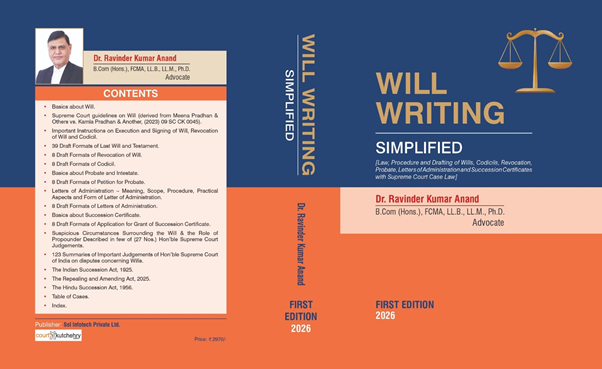
OUR RECOMMENDATION: Check out 123 Key Judgements, as highlighted in the book, WILL WRITING SIMPLIFIED, for the quick research and reference purposes. Click the link here: https://www.courtkutchehry.com/pages/blog/123-supreme-court-judgments-on-wills/
Keywords for SEO & Quick Search
- Gurdev Kaur v. Kaki case
- Supreme Court Section 100 CPC ruling
- High Court interference in Will disputes
- Validity of Will India case law
- Civil Appeal No. 2083 of 2006 judgment
- Justice Ruma Pal and Justice Dalveer Bhandari decisions
- Probate and appellate jurisdiction India