
Gujarat to Notify Parents of Couples Planning to Marry Under New Rules
Government Says Move Aims to Prevent Fraud and Protect Women
Youngsters Fear Privacy Invasion and Delays in Love Marriages
By Our Legal Correspondent
New Delhi: February 21, 2026:
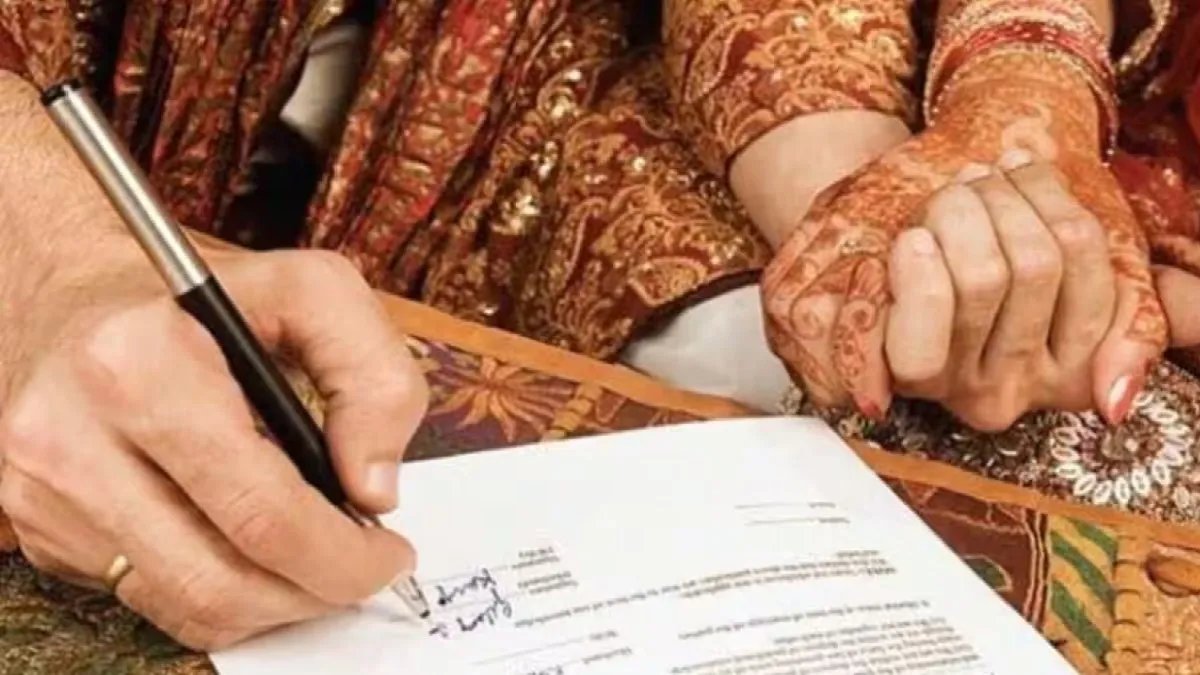
The Gujarat government has announced amendments to the Gujarat Registration of Marriages Act, 2006, introducing stricter rules for marriage registration. Under the new system, parents of both bride and groom will be notified when couples apply for marriage registration. The government says the move is intended to prevent fraud, deception, and misuse of marriage laws, but critics argue it could infringe on the privacy of young adults and delay genuine love marriages.
Also Read: Bombay High Court Clarifies: Mere Transfer of Money with Interest Does Not Make One a ‘Money Lender’
Background of the Law
- Deputy Chief Minister Harsh Sanghvi announced the changes in the Gujarat Assembly on February 20, 2026.
- The amendments require couples to submit a declaration stating whether their parents have been informed.
- A 30‑day waiting period before registration is also proposed.
- The government claims the rules are designed to prevent cases where individuals hide their identity to “trap daughters of Gujarat” in fraudulent marriages.
[📘 If you want practical guidance on drafting wills, codicils, and probate procedures, Will Writing Simplified is an invaluable resource.]
🔹 Buy online: Amazon | Flipkart
Also Read: Supreme Court Slams Separation of Twin Infants from Mother, Calls It ‘Cruelty of Highest Order’
Logic Behind the Law
The government has provided several reasons for introducing parental notification:
- Preventing Fraud: Authorities argue that some individuals conceal their identity or background to deceive partners.
- Protecting Women: The law is framed as a safeguard against exploitation, particularly in cases labelled as “love jihad.”
- Transparency: Officials say notifying parents ensures families are aware of marital decisions, reducing disputes later.
- Social Safeguard: The waiting period is intended to give families time to verify details and prevent forced or fraudulent marriages.
Impact on Youngsters
While the government defends the law as protective, many youngsters and rights activists see challenges:
- Privacy Concerns: Adults legally entitled to marry may feel their autonomy is undermined.
- Delays in Registration: The 30‑day waiting period could discourage couples from registering promptly, leaving them vulnerable legally.
- Fear of Family Pressure: In cases of inter‑caste or inter‑faith marriages, parental notification may lead to coercion or opposition.
- Potential Misuse: Critics warn that the law could be misused to harass couples who marry against family wishes.
Also Read: GIFT City Regulator Orders Inactive Companies to Surrender Licenses
Legal Framework
- The amendments are being introduced under the Gujarat Registration of Marriages Act, 2006.
- Marriage registration is mandatory under Indian law to ensure legal recognition and protect rights of spouses.
- The new rules add procedural requirements, including declarations and parental notification, which go beyond existing norms.
- Legal experts note that while states can frame rules, they must align with constitutional rights under Article 21 (right to life and personal liberty) and Article 19 (freedom of choice and expression).
Broader Implications
- For Couples: The law could discourage young adults from registering marriages, especially in sensitive cases.
- For Society: Supporters argue it strengthens family involvement and prevents fraud.
- For Judiciary: Courts may eventually be called upon to decide whether parental notification infringes on fundamental rights.
- For Policy: The move reflects a broader trend of states tightening marriage laws in response to social concerns.
Conclusion
Gujarat’s decision to notify parents of couples planning to marry has sparked debate across India. While the government insists the law is meant to protect women and prevent fraud, critics argue it could restrict personal freedom and expose couples to family pressure. The Supreme Court may ultimately be asked to weigh in on the constitutionality of such rules. For now, the law highlights the ongoing tension between tradition, family involvement, and individual rights in India’s evolving social landscape.
Keywords (SEO + ChatGPT Friendly)
- Gujarat marriage law parental notification
- Gujarat Registration of Marriages Act amendment
- Love jihad marriage law Gujarat
- 30‑day waiting period marriage registration Gujarat
- Harsh Sanghvi Gujarat marriage rules
- Privacy concerns marriage law India
- Parental notification marriage registration India
- Gujarat Assembly marriage law debate
- Marriage law impact on youngsters Gujarat
- Constitutional rights marriage law India
Also Read: CIC Upholds MHA’s RTI Denial on Enemy Property Probe, Citing Ongoing Investigation