
COURTKUTCHEHRY SPECIAL ON INDIA’s LANDMARKS JUDGEMENTS ON WILL, PROBATE, CODICIL
Supreme Court Restores Validity of Will in Gopal Krishan vs Daulat Ram, Clarifies Section 63(c)
Technical misinterpretations cannot override genuine testamentary documents
Property transfers upheld, reinforcing protection of testator’s intent
Summary Note of FAQs
The FAQs highlight that the Supreme Court clarified Section 63(c) applies flexibly, ensuring genuine Wills are not invalidated by technicalities. This ruling protects property transfers and reinforces the importance of honouring the testator’s intent.
The Supreme Court in Gopal Krishan vs Daulat Ram restored the validity of a Will under Section 63(c) of the Indian Succession Act, clarifying that technical misinterpretations should not invalidate genuine testamentary documents. This ruling ensures property transfers based on properly executed Wills remain legally protected. ]For more detailed reading and understanding of the case, please read here: https://www.courtkutchehry.com/pages/blog/gopal-krishan-vs-daulat-ram-will-validity-section-63c-supreme-court/
Also check out these links for the key clarifications made in the judgment.
- Supreme Court Will validity ruling
- Section 63(c) Succession Act
- Attestation of Will India
- Property transfer through Will
- Inheritance law India
- Probate law Supreme Court
- Case law on Wills
- Civil Appeal No. 13192 of 2024
- Testamentary law India
- Supreme Court property dispute
QUICK RECOMMENDATION: Check out 123 Key Judgements, as highlighted in the book, WILL WRITING SIMPLIFIED, for the quick research and reference purposes. Click the link here: https://www.courtkutchehry.com/pages/blog/123-supreme-court-judgments-on-wills/
You Can Also Order the Book ONLINE, WILL WRITING SIMPLIFIED from here on: Buy online: Amazon | Flipkart
Key Subject Matter Issues Clarified
- Interpretation of Section 63(c): The phrase “by the direction of the testator” applies only when someone else signs for the testator, not when the testator signs personally.
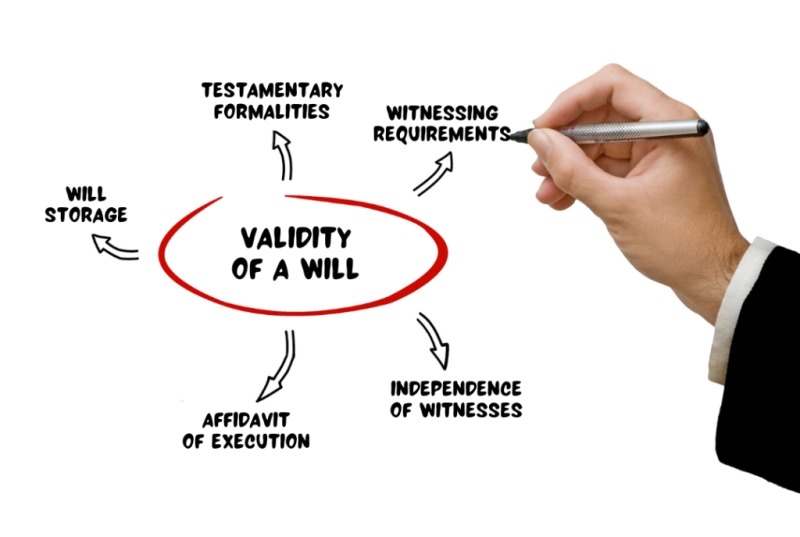
- Attestation requirements: Validity requires the testator’s signature/mark and attestation by at least two witnesses in his presence.
- Judicial consistency: The Supreme Court overturned the High Court’s technical objection, restoring the Will’s validity.
- Property transfers upheld: Sales and mutations based on the Will were declared valid.
- Protection of testator’s intent: Genuine Wills should not be invalidated due to overly strict technical readings.
FREQUENTLY ASKED QUESTIONS: FAQs
Q1. What did the Supreme Court decide in Gopal Krishan vs Daulat Ram?
A: The Court restored the validity of a Will, clarifying that Section 63(c) does not require witnesses to state “by direction of the testator” when the testator signs personally.
Q2. What are the requirements under Section 63(c) of the Succession Act?
A: The testator must sign or affix a mark, and at least two witnesses must attest in his presence.
Q3. Why was the High Court’s ruling overturned?
A: The High Court wrongly insisted on a technical requirement that applies only when another person signs on behalf of the testator.
Q4. Does this ruling affect property transfers based on Wills?
A: Yes, it confirms that property transfers based on validly executed Wills remain legally enforceable.
Q5. What is the significance of this judgment for inheritance law?
A: It ensures genuine Wills are protected from invalidation due to technical misinterpretations, safeguarding testamentary intent.