
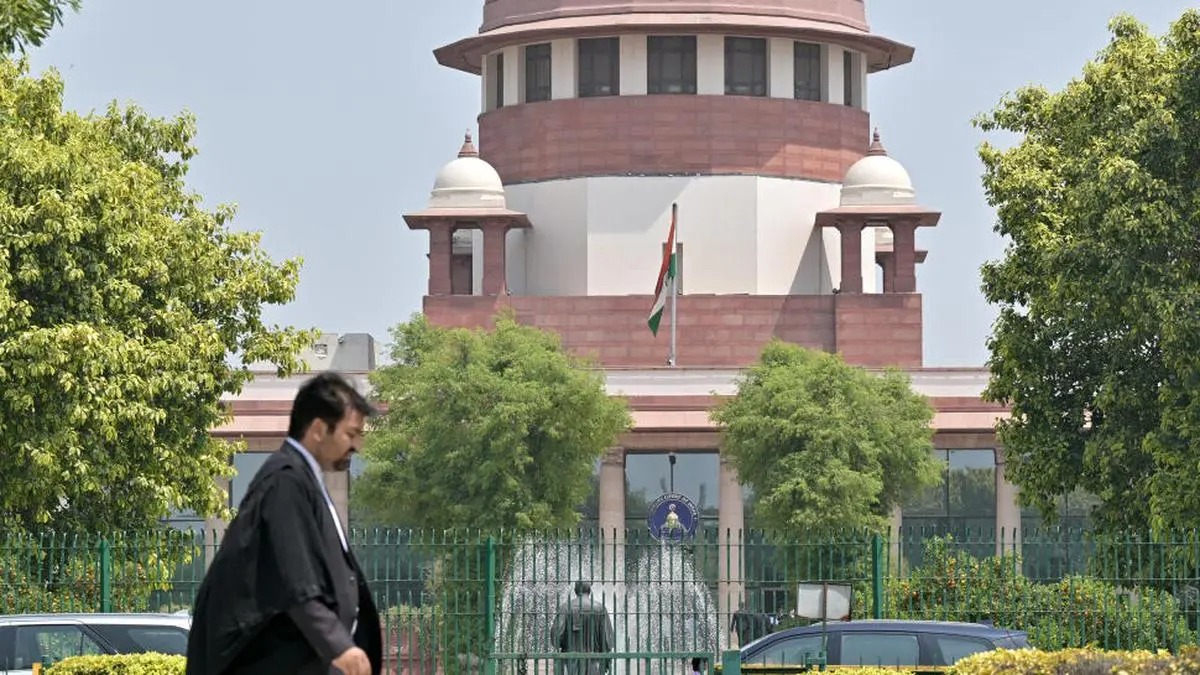
Gopal Krishan & Others v. Daulat Ram & Others (2025) 01 SC CK 0047: Testamentary Intent Over Technicalities
Supreme Court Rejects Hyper Technical Grounds in Will Disputes
Liberal Interpretation of Section 63(c) Strengthens Testamentary Freedom
By Vishwas Kumar
New Delhi: April 15, 2026:
The Supreme Court’s ruling in Gopal Krishan & Others v. Daulat Ram & Others, Civil Appeal No. 13192 of 2024 has become a defining precedent in Indian succession law. Delivered in 2025, the judgment clarified the evidentiary requirements under Section 63 of the Indian Succession Act, 1925 and Section 68 of the Evidence Act, 1872, while rejecting hyper technical objections that often derail genuine testamentary intent. Lawyers continue to cite this case because it balances strict compliance with a liberal approach that protects the testator’s last wishes.
Case Title: Gopal Krishan & Others v. Daulat Ram & Others, (2025) 01 SC CK 0047 – Civil Appeal No. 13192 of 2024.
For insights into property disputes, inheritance rights, and will-related legal principles, read the full Supreme Court judgment here: Gopal Krishan vs Daulat Ram Supreme Court judgment on inheritance and property law (2025) .
The Core Dispute
The Will in question was executed by Sanjhi Ram on 7 November 2005, just one day before his death. The Civil Court and High Court had raised doubts about its validity, citing irregular spacing, lack of registration, thumb impression issues, and delay in producing the death certificate. The Supreme Court, however, overturned these findings, emphasizing that suspicion must be “real, germane, and valid,” not based on trivialities.
Key Observations
- Illness and Proximity to Death: The testator’s illness and death the next day did not by themselves prove unsoundness of mind. The Court held that old age or illness cannot invalidate a Will if mental faculties remain intact.
- Unregistered Will: The Court reaffirmed that registration is not mandatory. An unregistered Will is legally valid if execution and attestation are proved.
- Irregular Spacing and Seal Placement: Lower courts treated uneven spacing as suspicious. The Supreme Court dismissed this as hyper technical, noting that narrower spacing at the end of a page is natural.
- Thumb Impression and “Direction” Issue: The High Court wrongly insisted that witnesses must state the mark was affixed “by direction of the testator.” The Supreme Court clarified that such direction is required only when another person signs on behalf of the testator, not when the testator himself affixes his mark.
- Delay in Producing Death Certificate: The Court held that non-production of a death certificate does not vitiate proof of a Will if attestation is otherwise established.
- Attesting Witness Testimony: The witness confirmed that the Will was executed in sound mind, read over by the deed writer, and signed/marked by the testator. This satisfied statutory requirements.
- Interpretation of Section 63(c): The Court emphasized a liberal reading. Witnesses need only see the testator sign, or see another sign at his direction, or receive acknowledgment. Strict technical interpretation is unwarranted unless fraud is alleged.
- Absence of Unnatural Exclusion: The Will benefitted the nephew who cared for the testator after his wife’s death. The Court found this natural, not suspicious.
- Burden of Proof: Once the propounder proves execution and sound mind, the burden shifts to the challenger to establish fraud or fabrication.
- Liberal Construction of Testamentary Acts: Courts must give effect to the testator’s last wish rather than invalidate it on trivial grounds.
Precedent Value
This case is frequently cited because it consolidates several principles:
- Suspicion must be substantive: Courts cannot rely on trivialities like spacing or unregistered status.
- Thumb impression clarity: The requirement of “direction” applies only when someone else signs for the testator.
- Liberal interpretation of Section 63(c): Ensures genuine Wills are upheld.
- Burden shifting: Once execution and sound mind are proved, challengers must establish fraud.
- Judicial conscience test: Courts must be satisfied that suspicions are dispelled, but conscience is not invoked for fanciful doubts.
For lawyers, this case is a persuasive authority to counter objections based on technicalities. It provides a roadmap: prove attestation, sound mind, and voluntariness, and courts will uphold the Will despite minor irregularities.
Why It Still Resonates
Inheritance disputes often involve allegations of forgery or manipulation. This judgment reassures that courts will not invalidate Wills on hyper technical grounds. It protects testamentary freedom by focusing on substance over form. For practitioners, it is a precedent that strengthens petitions where genuine Wills are challenged on trivialities, ensuring that the testator’s last wishes are respected.
[RESEARCH RESOURCES]
Browse leading Supreme Court rulings on wills, probate, and inheritance law here: Supreme Court judgments on wills and succession law in India .
EXTRACTS FROM BOOK, WILL WRITING SIMPLIFIED, By Dr Ravinder Kumar Anand. [📘 Buy Will Writing Simplified online: Amazon | Flipkart ]
| Suspicious Circumstance | Court’s Observation & Para Reference in the Judgement |
| Testator’s illness and proximity to death | Illness alone not suspicious if mental capacity intact. [Para 3.1, 4] |
| Unregistered Will before death | Registration not mandatory if execution proved. [Para 3.1, 4, 8] |
| Spacing & seal irregularities | Minor formatting issues are natural, not suspicious. [Para 3.1, 4] |
| Thumb impression issue | Direction needed only if another signs for testator. [Para 9–14] |
| Delay in death certificate | Does not invalidate Will if attestation is proved. [Para 3.1] |
| Layout manipulation allegation | Hypertechnical objections rejected by Court. [Para 4] |
| Propounder’s burden | Execution + attestation proved via witness testimony. [Para 12–14] |
| Soundness of mind | Witness confirmed testator was mentally fit. [Para 12, 14] |
| High Court interpretation error | SC clarified correct reading of Section 63(c). [Para 13–14] |
| Natural beneficiary selection | Bequest to caretaker nephew held natural. [Para 2.2, 14] |
| Interpretation of “direction” | Applies only when someone else signs. [Para 9–14] |
| Liberal interpretation | Law favors genuine testamentary intent. [Para 13–14] |
| Attestation rule | Any valid witnessing mode satisfies law. [Para 13–14] |
| Suspicion must be real | Trivial doubts not enough to reject Will. [Para 8, 14] |
| Burden shift | Once proved, challenger must show fraud. [Para 8, 12–14] |
| Testamentary intent priority | Courts avoid rejecting Wills on technicalities. [Para 13–15] |
FAQs
Q1: Does illness or proximity to death make a Will suspicious?
No. Illness or old age alone does not prove unsoundness of mind if faculties remain intact.
Q2: Is registration mandatory for a Will?
No. An unregistered Will is valid if execution and attestation are proved.
Q3: Can irregular spacing or seal placement invalidate a Will?
No. Such minor layout issues are not grounds for suspicion.
Q4: What is the “direction of the testator” requirement?
It applies only when someone else signs for the testator. If the testator signs or marks himself, witnesses need only see it.
Q5: Does delay in producing a death certificate affect validity?
No. Proof of attestation suffices even without immediate production of a death certificate.
Q6: What must attesting witnesses prove?
They must confirm that the testator signed or marked the Will in their presence, in sound mind, and with understanding.
Q7: What burden does the propounder carry?
The propounder must prove execution, attestation, and sound mind. Once done, the burden shifts to the challenger.
Q8: Why do lawyers cite this case?
Because it rejects hyper technical objections and affirms liberal interpretation of Section 63(c), making it a strong precedent in Will disputes.
FINAL NOTE:
The ruling in Gopal Krishan v. Daulat Ram remains a cornerstone in succession law, ensuring that genuine testamentary intent is upheld against speculative challenges and reinforcing the sanctity of a testator’s final wishes.