
The Future of Legal Education in India
Emerging Trends Reshaping Law Schools
Technology, Globalization, and Constitutional Morality
By Vishwas Kumar
New Delhi: June 11, 2026:
Indian legal education is undergoing a profound transformation, and the emerging trends shaping law schools today reflect both global influences and domestic imperatives. These shifts are not superficial; they redefine how lawyers are trained, how justice is delivered, and how constitutional values are preserved in a rapidly changing society.
Technology Integration
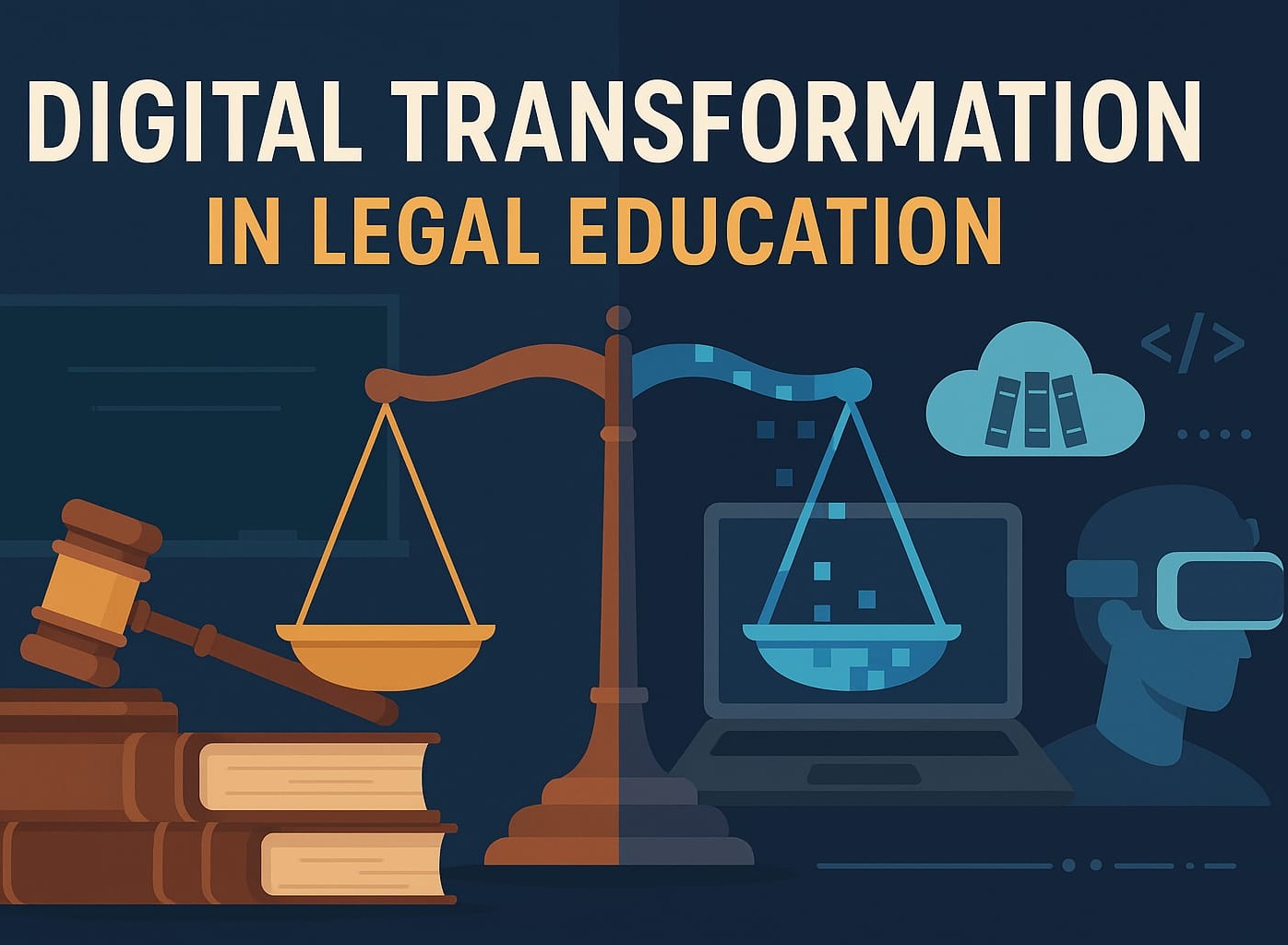
Perhaps the most striking trend is the integration of AI, blockchain, and legal analytics into curricula. Predictive analytics now assist lawyers in anticipating litigation outcomes, while contract automation streamlines corporate transactions. E-discovery tools allow faster and more accurate handling of evidence. This technological literacy is no longer optional—it is essential for future lawyers who must navigate digital economies, cybercrime, and data protection regimes. Post-pandemic, virtual hearings and online filings have normalized digital practice, making technology a permanent fixture in the profession.
Experiential Learning
Law schools are increasingly emphasizing clinical programs, externships, and simulations to bridge the gap between theory and practice. Institutions such as Lloyd Law College have pioneered experiential learning models where students engage directly with clients, draft pleadings, and participate in mock trials. This hands-on approach ensures graduates are not only academically proficient but also professionally ready. It reflects a global trend, echoing the US case method and clinical education system.
Interdisciplinary Education
The profession is no longer siloed. Joint degrees in law and business, healthcare, or computer science are becoming common, as seen at Karnavati University. This interdisciplinary approach prepares lawyers for specialized fields such as fintech regulation, medical ethics, and intellectual property in technology. It acknowledges that modern legal challenges are multifaceted, requiring expertise beyond statutes and precedents.
Diversity, Equity, and Inclusion
Legal education is also grappling with issues of equity and access. Pipeline initiatives and scholarships aim to reduce barriers for marginalized communities, ensuring that globalization does not remain an elite privilege. Institutions are increasingly conscious of gender inclusivity and representation from rural backgrounds. This trend reflects constitutional commitments under Articles 38 and 39A, which emphasize social justice and free legal aid.
Globalization
Exchange programs, comparative law courses, and collaborations with foreign universities are preparing students for international careers. Law schools now encourage comparative perspectives, exposing students to US, UK, and Singaporean models. This global orientation strengthens India’s position in arbitration, corporate law, and human rights advocacy. Yet, it also raises questions about brain drain and the need to retain talent for domestic justice delivery.
Bar Exam Reform
Another emerging trend is rethinking the Bar Exam. Alternatives such as supervised practice or diploma privilege are being explored to reduce barriers to entry. This reflects global debates on whether standardized exams adequately measure professional competence. Reform in this area could democratize access to the profession while maintaining quality standards.
Environmental Law
Climate change has made sustainability a central focus in curricula. Law schools now offer specialized courses in environmental law, international climate treaties, and corporate sustainability compliance. This trend reflects both global urgency and domestic challenges, as India grapples with pollution, deforestation, and climate-related litigation.
Soft Skills and Well-Being
Finally, law schools are recognizing the importance of emotional intelligence, resilience, and mindfulness. The profession is demanding and often stressful; training in soft skills ensures lawyers can manage client relationships, ethical dilemmas, and personal well-being. This holistic approach reflects a shift from purely technical training to nurturing well-rounded professionals.
Analytical Reflection
Together, these trends signal a multidisciplinary, globally connected, and technologically advanced future for Indian legal education. Technology ensures efficiency, experiential learning bridges practice gaps, interdisciplinary programs expand career horizons, and globalization connects Indian lawyers to the world. At the same time, diversity initiatives, environmental law, and soft skills training ensure that constitutional morality and social justice remain central.
The challenge lies in balancing these innovations with inclusivity. Without scholarships, digital infrastructure, and affirmative policies, globalization and technology risk deepening inequalities. Yet, if managed responsibly, these emerging trends can transform Indian law schools into laboratories of justice, producing lawyers who are globally competent yet locally grounded.
Analytical Narrative
Indian legal education is rapidly evolving, with technology, globalization, and interdisciplinary learning reshaping how law schools prepare students for the future. Post-pandemic reforms have accelerated digital adoption, experiential learning, and global collaborations, making India’s legal education system more dynamic but also more complex.
Indian legal education has historically been rooted in colonial traditions and constitutional mandates. Article 19(1)(g) guarantees the right to practice law, while Article 21 ensures access to justice, making legal education a constitutional necessity. The Directive Principles (Articles 38 & 39A) emphasize social justice and free legal aid, requiring reforms that make law schools inclusive. Judicial precedents such as V. Sudheer v. Bar Council of India (1999) and Bar Council of India v. Bonnie FOI Law College (2012) highlight the judiciary’s role in regulating standards.
Emerging Trends
Technology Integration: AI, blockchain, and legal analytics are now part of curricula. Predictive analytics, contract automation, and e-discovery tools are essential skills for future lawyers.
Experiential Learning: Law school’s emphasize clinical programs, externships, and simulations to bridge theory and practice.
Interdisciplinary Education: Joint degrees in law and business, healthcare, or computer science broaden career opportunities.
Diversity, Equity, and Inclusion: Pipeline initiatives and scholarships aim to reduce barriers for marginalized communities.
Globalization: Exchange programs and comparative law courses prepare students for international careers.
Bar Exam Reform: Alternatives like supervised practice and diploma privilege are being explored.
Environmental Law: Climate change has made sustainability a central focus in curricula.
Soft Skills and Well-Being: Emotional intelligence, resilience, and mindfulness are now part of training.
Comparative Perspectives
US: Case method and clinical education dominate.
UK: Split between academic study and vocational training.
Singapore: Hybrid model integrating corporate law with domestic jurisprudence. India is adapting lessons from these jurisdictions while retaining constitutional commitments.
Sociological, Economic, and Ethical Impacts
Sociological: Globalization risks elitism, excluding rural students.
Economic: Expands opportunities in corporate law, arbitration, and compliance but risks brain drain.
Ethical: Privatization raises concerns about commodifying justice and excluding marginalized groups.
Case Studies
NLSIU: Pioneered experiential learning and global curricula.
Jindal Global Law School: Built partnerships with foreign universities, reflecting globalization’s direct impact.
Legal Aid Clinics: Demonstrate how reforms can humanize globalization by serving marginalized communities.
FAQs
Constitutional & Legal Framework
What is globalization in legal education? Integration of international standards, comparative law, and global practices into Indian curricula.
How has the Bar Council responded? By enforcing uniform standards, regulating law schools, and adapting curricula to global benchmarks.
What role does Article 21 play? It ensures access to justice, making competent legal education a constitutional requirement.
Which Directive Principles matter for legal education? Articles 38 and 39A emphasize social justice and free legal aid, guiding reforms toward inclusivity.
What is the Advocates Act 1961? It regulates the legal profession, including qualifications, practice rights, and disciplinary measures.
Why is curriculum reform necessary? To keep pace with global developments, technology, and emerging fields like cyber law and arbitration.
What is the Law Commission’s role? It recommends reforms to ensure curricula and standards meet contemporary needs.
Judicial Perspectives
How do courts view globalization? Courts acknowledge global standards in areas like human rights and arbitration but balance them with constitutional values.
What judicial precedents shaped legal education? Cases like V. Sudheer v. BCI (1999) and Bar Council v. Bonnie FOI Law College (2012) reinforced uniformity and regulation.
How does globalization affect judicial training? Judges gain exposure to comparative jurisprudence, enhancing their ability to handle international disputes.
How does globalization affect constitutional interpretation? Judges increasingly reference international conventions and foreign precedents.
Global & Comparative Perspectives
How do Indian law schools compare with US schools? US emphasizes case methods and clinical training; India is gradually adopting similar approaches.
What is transnational legal education? Studying laws across jurisdictions to prepare students for multinational practice.
Why is comparative law important? It helps understand diverse legal systems, fostering adaptability in global practice.
What is international law’s role in curricula? It equips students to engage with treaties, global disputes, and human rights frameworks.
How does globalization affect arbitration? It strengthens India’s position as an arbitration hub by aligning with global standards.
Sociological Impacts
How does globalization affect rural students? It risks widening the gap, as elite urban institutions benefit more from global exposure.
Why is merit important in admissions? Merit ensures competitiveness and quality, vital for global recognition of Indian law graduates.
How does globalization affect gender inclusivity? It promotes diversity, but structural barriers in India still limit inclusivity.
How does globalization affect diversity in law schools? It encourages inclusivity but requires affirmative policies to ensure equitable participation.
Economic Dimensions
How does globalization affect jobs? It expands opportunities in multinational firms, arbitration, and international organizations.
What is the role of internships? Internships with international firms and NGOs provide practical exposure to global law.
How does globalization affect corporate law? It increases demand for expertise in mergers, compliance, and cross-border transactions.
How does globalization affect access to justice? It improves efficiency through technology but risks excluding those without digital access.
Ethical Concerns
How does globalization impact ethics? It raises concerns about commercialization of law, balancing profit-driven practice with justice as a public good.
What are ethical concerns in privatized schools? High fees and commercialization risk excluding marginalized students.
What is the role of foreign faculty? They bring international perspectives, enriching curricula and research.
What is the importance of soft skills and ethics? Emotional intelligence and professional responsibility are now emphasized alongside technical skills.
Technological Transformation
How does technology influence education? Digital platforms, AI tools, and online courses modernize teaching and expand access.
What is the case method? A teaching approach focusing on analyzing judicial decisions to develop critical thinking.
What is clinical legal education? Hands-on training where students work on real cases, legal aid, and simulations.
What is online legal education? It democratizes access, offering global courses and certifications to Indian students.
What is the role of research? Research fosters innovation, comparative analysis, and policy development aligned with global trends.
How does globalization affect IP law? It harmonizes intellectual property standards with global conventions, crucial for trade and innovation.
How does globalization affect environmental law? Global treaties and climate frameworks influence Indian legislation and litigation.
What is the impact on human rights law? It broadens awareness and enforcement, integrating international norms into domestic practice.
Institutions & Future Outlook
What is NLSIU’s role? NLSIU pioneered modern curricula, global collaborations, and clinical education in India.
How does Jindal reflect globalization? Through foreign faculty, global partnerships, and emphasis on corporate law.
What is the Bar Exam? A qualifying exam conducted by the BCI to assess readiness for legal practice.
What is the future of Indian legal education? A hybrid model blending global standards with constitutional commitments, ensuring justice and competitiveness.
Op-Ed Style Closing Vision
The future of Indian legal education is dynamic, shaped by technology, globalization, and constitutional morality. Law schools are no longer just centers for statutes and case law; they are innovation hubs preparing lawyers for complex challenges. Yet, this transformation is fraught with contradictions.
Globalization promises excellence but risks elitism. Technology democratizes access but deepens digital divides. Privatization expands opportunities but commodifies justice. The challenge is to ensure reforms remain anchored in constitutional values of equality, fraternity, and justice.
The National Education Policy 2020 provides a blueprint for interdisciplinary, globally competitive education. Implementation, however, requires robust infrastructure, faculty training, and inclusivity measures. Scholarships, affirmative action, and digital inclusion must ensure rural and marginalized students benefit.
Comparative lessons from the US, UK, and Singapore show that globalization enriches education when combined with strong domestic frameworks. India must adapt these lessons to its pluralistic society. Clinical legal education should train students not only in corporate law but also in grassroots justice delivery.
Economically, globalization opens doors to international careers but risks brain drain. Ethically, it challenges the notion of law as a public good. Sociologically, it risks excluding rural students. These challenges must be addressed through policy innovation.
Ultimately, the vision is clear: Indian legal education must hybridize global standards with constitutional morality. Law schools must become laboratories of justice, producing lawyers who are globally competent yet locally grounded. The judiciary must continue expansive interpretations to safeguard access to justice.
Legal education is not just about careers—it is about nation-building. It strengthens democracy, protects rights, and ensures accountability. As India’s economy and society evolve, law graduates will shape governance, business, and social justice. Anchored in constitutional soil yet embracing global seas, Indian legal education can truly become an engine of growth and justice.