
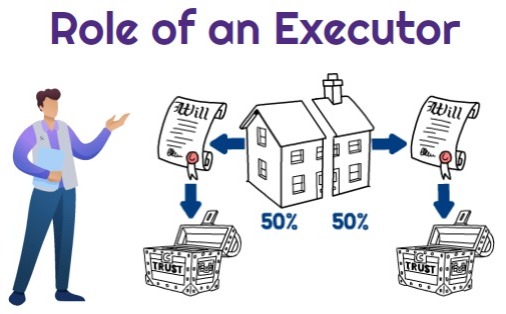
Executor’s Roadmap: Administering a Will After Death
From Probate to Distribution – Step by Step
Legal Duties That Safeguard the Estate
By Vishwas Kumar
New Delhi: May 04, 2026:
The death of a testator marks the beginning of a complex legal process: administering the estate according to the will. Executors, appointed under the Indian Succession Act, 1925, or named in the will itself, carry fiduciary responsibilities. Mistakes at this stage—such as delays in probate or improper distribution—can derail succession, invite disputes, and even invalidate transactions. A structured, step-by-step approach ensures that the testator’s wishes are honoured, and the estate is managed lawfully.
In disputes concerning succession and ownership of family property, courts emphasize the need for clear legal entitlement supported by reliable evidence and statutory provisions. A relevant judicial reference in this context is Rur Singh (D) through LRs & Others vs Bachan Kaur succession and property rights judgment , where the court examined competing claims among legal heirs and reinforced that inheritance disputes must be resolved based on factual determination and applicable succession laws. The ruling highlights that courts strive to ensure fair and equitable distribution of property while protecting the rights of all co-heirs.
Step-by-Step Executor’s Guide
1. Secure the Original Will Immediately
- The original will is the foundation of probate.
- Store it safely to prevent loss or tampering.
- If misplaced, courts may require secondary evidence, which is harder to prove.
2. Apply for Probate Promptly
- Probate is mandatory in Presidency towns (Mumbai, Kolkata, Chennai) under Sections 222–229 of the Indian Succession Act.
- Elsewhere, probate is optional but advisable to prevent disputes.
- Delay increases risk of objections, fraudulent claims, and mistrust among heirs.
3. Notify Beneficiaries and Heirs
- Transparency is critical. Executors should inform all beneficiaries about the will and probate proceedings.
- Lack of communication often fuels suspicion, even where no wrongdoing exists.
4. Prepare a Complete Inventory of Assets
- Section 317 of the Indian Succession Act requires executors to file an inventory and account of the estate.
- Include immovable property (survey numbers, registration details), movable assets (bank accounts, vehicles), and modern holdings (demat accounts, cryptocurrency, digital assets).
- A thorough inventory prevents disputes and ensures equitable distribution.
5. Manage Debts and Liabilities
- Executors must settle outstanding debts, taxes, and liabilities before distributing assets.
- Creditors can challenge distributions if debts remain unpaid.
- Courts emphasize that estate administration must prioritize obligations before inheritance.
6. Obtain Court Authority for Distribution
- In jurisdictions requiring probate, distribution without court authority is invalid.
- Executors must wait for probate before transferring property or funds.
- Unauthorized distribution can be reversed, leading to prolonged litigation.
7. Distribute Assets According to the Will
- Once probate is granted and debts settled, distribute assets precisely as directed.
- Avoid assumptions or informal arrangements; follow the will strictly.
- If a beneficiary predeceased the testator and no substitute is named, that portion devolves intestate under succession law.
8. Maintain Records and Accounts
- Executors must maintain detailed records of all transactions.
- Courts may require submission of accounts to verify compliance.
- Proper documentation protects executors from allegations of mismanagement.
9. Close the Estate
- After distribution, executors should formally close the estate by filing final accounts.
- This marks the completion of fiduciary duties and ensures legal closure.
Analytical Perspective
Executors are fiduciaries, not mere custodians. Their role demands diligence, transparency, and strict compliance with statutory requirements. Courts have consistently held that probate is not a bureaucratic hurdle but a safeguard against fraud. The requirement to file inventories and accounts under Section 317 reinforces accountability.
Modern realities—digital assets, complex investments, and cross-border holdings—make executor duties more challenging. Yet, the principles remain the same: secure documents, apply for probate, communicate openly, and distribute lawfully. Executors who follow a structured roadmap minimize disputes and uphold the testator’s intention.
FAQ on Executor Duties
Q1. What is the first step after the testator’s death?
Secure the original will immediately to prevent loss or tampering.
Q2. Is probate always required?
Mandatory in Presidency towns (Mumbai, Kolkata, Chennai). Elsewhere, probate is optional but advisable.
Q3. Why must executors prepare an inventory of assets?
Section 317 of the Indian Succession Act requires it. A complete inventory ensures transparency and prevents disputes.
Q4. Can executors distribute assets before probate?
No. In jurisdictions requiring probate, distribution without court authority is invalid and can be reversed.
Q5. What happens if debts are unpaid?
Executors must settle debts and liabilities before distributing assets. Creditors can challenge premature distributions.
Q6. How can executors avoid disputes among heirs?
By maintaining transparency, notifying beneficiaries, and keeping detailed records of administration.
Q7. When does the executor’s duty end?
After probate, debt settlement, distribution, and filing of final accounts, the estate is formally closed.
In conclusion, executors who act promptly, secure documents, prepare inventories, and comply with probate requirements ensure smooth succession. A structured roadmap transforms estate administration from a potential battleground into a lawful, efficient process that honours the testator’s wishes.