
E-Commerce and Intellectual Property in India
From Flipkart to Amazon: Protecting Brands in the Digital Marketplace
Balancing Innovation, Consumer Rights, and IP Enforcement
By Vishwas Kumar
New Delhi: June 09, 2026:
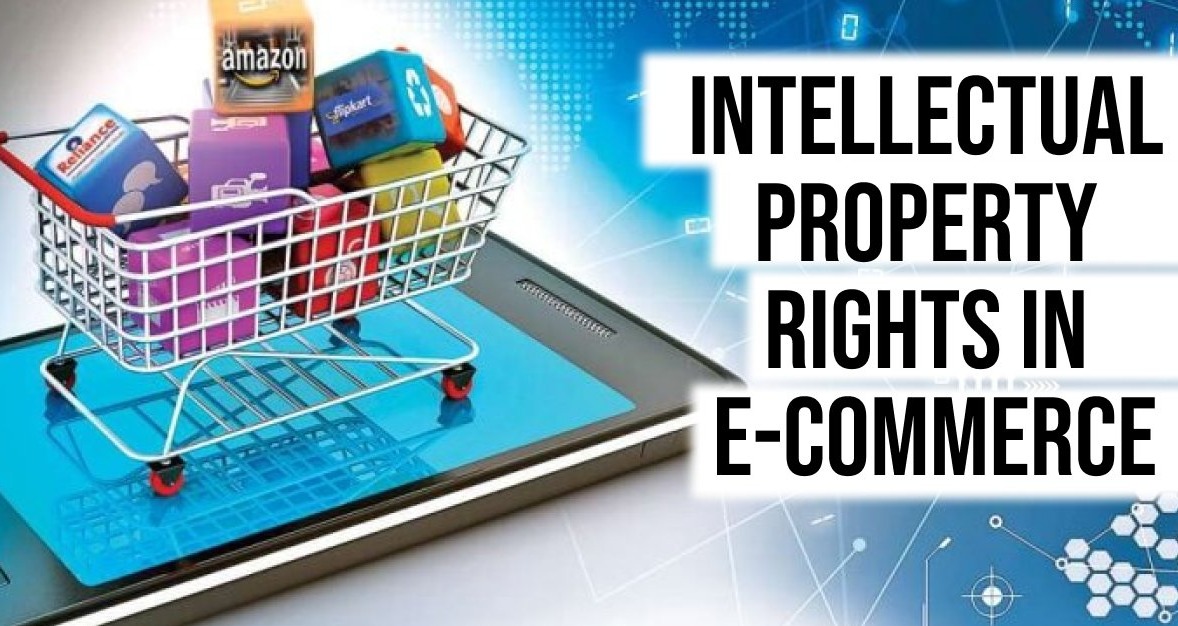
India’s e-commerce sector has grown exponentially over the past decade, driven by platforms like Flipkart, Amazon, Myntra, and Snapdeal. Consumers now enjoy unprecedented access to products ranging from electronics and fashion to groceries and pharmaceuticals. Yet, this digital boom has also intensified challenges around intellectual property (IP). Counterfeit goods, unauthorized use of trademarks, and copyright infringement in product listings have become pressing concerns.
Property and succession disputes often continue across generations, requiring courts to determine the rights of legal heirs, successors, and parties claiming ownership over disputed assets. The Supreme Court has repeatedly clarified these principles through landmark judgments. Readers interested in understanding how courts adjudicate such claims may refer to Moturu Nalini Kanth vs Gainedi Kaliprasad (Dead Through LRs) , an important judgment dealing with issues relating to property rights, succession, and claims pursued through legal representatives.
The Trademark Act, 1999 protects brand logos, names, and product identifiers, but enforcement in online marketplaces is complex. Sellers often misuse trademarks to promote counterfeit or look-alike products, misleading consumers and eroding brand equity. Similarly, the Copyright Act, 1957 safeguards product descriptions, images, and promotional material, yet unauthorized copying is rampant. The Information Technology Act, 2000 governs intermediary liability, requiring platforms to act against infringing listings once notified.
Indian courts have increasingly addressed these disputes. In Christian Louboutin SAS v. Nakul Bajaj (2018), the Delhi High Court held that online platforms could be liable for trademark infringement if they actively promote counterfeit goods. In Amway India v. Amazon & Flipkart (2019), courts examined whether platforms could sell products without authorization from direct-selling companies, highlighting the tension between consumer choice and brand protection. These cases underscore the evolving role of e-commerce platforms as both facilitators and potential infringers.
Globally, the US relies on the Digital Millennium Copyright Act (DMCA) and trademark enforcement mechanisms, while the EU emphasizes intermediary liability and consumer protection. India’s approach is still developing, balancing innovation with enforcement.
Sociological, Economic & Ethical Impacts
Sociological: Counterfeit goods erode consumer trust in online shopping.
Economic: Brands lose billions annually to counterfeit sales, discouraging investment.
Ethical: Balancing affordability with authenticity—consumers may unknowingly purchase fake products.
Case Studies on E-Commerce and Intellectual Property in India
India’s e-commerce boom has brought convenience and accessibility to millions of consumers, but it has also created fertile ground for intellectual property disputes. Courts have increasingly been called upon to address issues of trademark infringement, counterfeit goods, and unauthorized sales on platforms like Amazon, Flipkart, and Myntra. Several landmark cases illustrate how the judiciary is shaping the rules of engagement in this digital marketplace.
Christian Louboutin SAS v. Nakul Bajaj (2018) This case was a turning point in defining the liability of online platforms. The French luxury brand Christian Louboutin sued Nakul Bajaj, who operated the website “Darveys.com,” for selling counterfeit Louboutin shoes. The Delhi High Court ruled that platforms could be held liable for trademark infringement if they actively promoted counterfeit goods rather than merely acting as passive intermediaries. The judgment clarified that e-commerce platforms cannot hide behind the “safe harbour” provisions of the IT Act if they are complicit in infringement. This case set the tone for holding online sellers and platforms accountable for protecting brand integrity.
Amway India v. Amazon & Flipkart (2019) Amway, a direct-selling company, filed suits against Amazon and Flipkart for allowing unauthorized sellers to list Amway products. The Delhi High Court examined whether platforms could sell products without authorization from direct-selling companies. The court emphasized that platforms must respect contractual distribution rights and cannot facilitate sales that bypass authorized channels. This case highlighted the tension between consumer choice and brand protection, raising questions about how far platforms can go in enabling parallel markets. It also underscored the importance of intermediary liability in safeguarding legitimate business models.
Nike v. Flipkart Sellers (2020) Nike pursued legal action against sellers on Flipkart who were distributing counterfeit sportswear. The case revealed the scale of counterfeit goods in India’s online marketplaces, where fake products often appear alongside genuine listings. The court’s intervention reinforced that platforms must implement stricter monitoring and verification mechanisms to prevent counterfeit sales. For consumers, the case was a reminder of the risks of purchasing branded goods online without verifying authenticity. For brands, it underscored the need to actively monitor e-commerce platforms to protect their trademarks.
Samsung v. Online Vendors (2021) Samsung filed suits against online vendors selling counterfeit electronics, including chargers and accessories, on platforms like Amazon and Flipkart. The Delhi High Court restrained these sellers from distributing fake products and directed platforms to take down infringing listings. This case was significant because counterfeit electronics pose not only economic harm but also safety risks to consumers. The ruling emphasized that IP enforcement in e-commerce is not just about protecting brand equity—it is also about consumer safety and trust.
Regional Brands and Smaller Companies While global giants like Nike and Samsung dominate headlines, smaller Indian companies have also pursued injunctions against counterfeit listings. Regional textile brands, Ayurvedic product manufacturers, and local electronics firms have sought judicial protection against sellers misusing their trademarks online. These cases highlight that IP infringement in e-commerce is not limited to luxury or international brands—it affects businesses of all sizes. For smaller companies, counterfeit goods can be devastating, eroding consumer trust and undermining their ability to compete in crowded markets.
Broader Implications
These cases collectively underscore several key themes in India’s e-commerce IP landscape:
Platform Liability: Courts are increasingly holding platforms accountable, especially when they actively promote or facilitate counterfeit sales. The safe harbour provisions of the IT Act are not absolute.
Consumer Protection: Counterfeit goods not only harm brands but also endanger consumers, particularly in categories like electronics, pharmaceuticals, and cosmetics. Judicial intervention is crucial to safeguard public health and safety.
Economic Impact: Counterfeit sales erode brand equity and discourage investment in innovation. For India’s e-commerce sector to remain globally competitive, robust IP enforcement is essential.
Ethical Dimensions: The debate centers on balancing affordability with authenticity. While counterfeit goods may appear cheaper, they undermine fairness and sustainability in commerce.
Global Comparisons: India’s approach mirrors global trends. In the US, the DMCA and trademark enforcement mechanisms provide strong protection, while the EU emphasizes intermediary liability. India is moving toward similar standards but faces challenges in consistent enforcement.
Conclusion
The rise of e-commerce in India has transformed consumer behaviour and business models, but it has also magnified the challenges of intellectual property enforcement. Landmark cases—from Christian Louboutin to Samsung—illustrate how courts are shaping accountability for platforms and sellers. Regional brands joining the fight show that IP protection is not just a luxury issue but a necessity for all businesses.
The way forward lies in clarity, collaboration, and technology. Clearer laws defining intermediary liability, collaboration between brands and platforms, and technological tools like AI and blockchain to track authenticity can strengthen enforcement. Protecting intellectual property in e-commerce is not just about law—it is about sustaining trust, innovation, and consumer safety in India’s digital economy.
Extended FAQ (40 Questions with 2–3 Line Answers)
Can trademarks be protected online? Yes, under the Trademark Act, 1999.
Can platforms be liable for counterfeit goods? Yes, if they actively promote or facilitate sales.
What is intermediary liability? Platforms must act against infringing listings once notified.
Can product images be copyrighted? Yes, under the Copyright Act, 1957.
What is the Louboutin case? Delhi High Court held platforms liable for trademark misuse.
Can consumers sue for counterfeit goods? Yes, under consumer protection laws.
What is the Amway case? Examined unauthorized sales of direct-selling products online.
Can e-commerce platforms use brand logos? Only with authorization.
What is the role of IT Act? It governs intermediary liability in online marketplaces.
Can counterfeit goods harm consumers? Yes, fake electronics or medicines can be dangerous.
What is trademark dilution? Unauthorized use that weakens a brand’s distinctiveness.
Can sellers face criminal charges? Yes, for large-scale counterfeiting.
What is the role of consumer awareness? Educating buyers helps prevent counterfeit purchases.
Can product descriptions be protected? Yes, as literary works under copyright.
What is the role of arbitration? Contracts can resolve disputes between brands and platforms.
Can counterfeit goods affect global trade? Yes, they discourage foreign investment.
What is the Nike case? Highlighted counterfeit sportswear sold on Flipkart.
Can small brands protect IP online? Yes, through registration and injunctions.
What is the Samsung case? Courts restrained sellers from distributing fake electronics.
Can consumers demand refunds? Yes, under consumer protection law.
What is unfair competition? Selling counterfeit goods that harm legitimate businesses.
Can e-commerce platforms be sued? Yes, for failing to act against infringing listings.
What is the role of WIPO? It harmonizes global IP standards.
Can counterfeit goods affect employment? Yes, losses reduce jobs in legitimate industries.
What is parallel importation? Importing genuine goods without authorization, raising legal issues.
Can counterfeit goods affect brand equity? Yes, they erode consumer trust.
What is the role of contracts? Define licensing and distribution rights online.
Can counterfeit goods affect pricing? Yes, they distort market competition.
What is intermediary liability in India? Platforms must remove infringing content once notified.
Can counterfeit goods affect innovation? Yes, they discourage investment in R&D.
What is consumer confusion? When buyers mistake counterfeit goods for genuine products.
Can counterfeit goods affect health? Yes, fake medicines pose serious risks.
What is the role of collective management? Societies distribute royalties for licensed works.
Can counterfeit goods affect exports? Yes, they damage India’s reputation in global markets.
What is piracy in e-commerce? Unauthorized copying of product images and descriptions.
Can counterfeit goods affect sustainability? Yes, fake products often bypass environmental standards.
What is the role of consumer trust? Essential for sustaining e-commerce growth.
Can counterfeit goods affect taxation? Yes, they evade duties and reduce government revenue.
What is the role of technology in enforcement? AI and blockchain can track and verify authenticity.
Can counterfeit goods affect cultural industries? Yes, fake merchandise undermines creative sectors.
Op-Ed Closing Vision
E-commerce has transformed India’s economy, but its sustainability depends on robust IP enforcement. Counterfeit goods and unauthorized listings erode trust, discourage investment, and harm consumers. Courts have responded with landmark rulings, but enforcement remains uneven.
Comparisons with the US and EU show India’s evolving position. The US enforces IP aggressively under the DMCA, while the EU emphasizes intermediary liability. India must strengthen enforcement while ensuring affordability. The sociological dimension is critical: counterfeit goods foster a culture of disregard for IP rights. Economically, billions are at stake, with piracy reducing competitiveness. Ethically, fair compensation sustains innovation and protects consumers.
The way forward lies in clarity, collaboration, and creativity. Clarity in law—defining intermediary liability and strengthening site-blocking. Collaboration with global partners—harmonizing standards with WIPO and TRIPS. Creativity in enforcement—using blockchain to track authenticity, AI to detect counterfeit listings, and ADR to resolve disputes. India’s e-commerce sector, with its scale and diversity, has the opportunity to set global benchmarks in digital IP enforcement.
Counterfeit goods are not just a legal issue—they are a cultural and economic challenge. Protecting e-commerce content is therefore a necessity for sustaining India’s digital economy. The challenge is immense, but so is the promise: to make India not just a hub of online retail, but also a beacon of balanced IP governance. Intellectual property is the scaffolding of commerce; without it, India’s e-commerce revolution risks collapse. With it, India can build a future where platforms thrive, consumers are protected, and innovation flourishes in the digital age.