
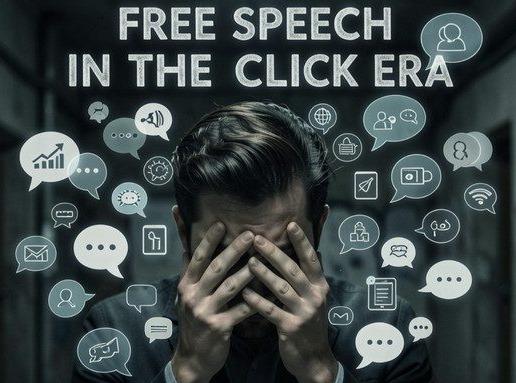
Digital Free Speech: Navigating Online Content Regulation in India
Balancing Liberty and Responsibility in the Digital Age
Courts, Platforms, and the Constitution
By Vishwas Kumar
New Delhi: June 03, 2026:
The internet has transformed free speech in India, creating new avenues for expression while raising complex questions about regulation, accountability, and constitutional rights. With over 900 million internet users in 2026, India is one of the largest digital societies in the world. Social media platforms, online news portals, and digital forums have become central to public discourse. Yet, this digital revolution has also brought challenges: misinformation, hate speech, online harassment, and state censorship.
The Supreme Court has repeatedly emphasized the importance of fair investigation, protection of fundamental rights, and judicial oversight in criminal proceedings. Readers interested in understanding the Court's approach to these issues may refer to Himanshu Patel v. State of Chhattisgarh & Others , a significant decision examining the role of investigative agencies and the constitutional safeguards available to citizens.
The Supreme Court has played a crucial role in defining the contours of digital free speech under Article 19(1)(a) of the Constitution. Landmark rulings like Shreya Singhal v. Union of India (2015), which struck down Section 66A of the IT Act, and Anuradha Bhasin v. Union of India (2020), which recognized internet access as integral to free speech, have shaped India’s digital rights landscape. At the same time, new regulatory frameworks—such as the Information Technology (Intermediary Guidelines and Digital Media Ethics Code) Rules, 2021 and the proposed Digital India Act, 2026—seek to balance free expression with accountability.
Historical Context: Free Speech in India
- Article 19(1)(a): Guarantees freedom of speech and expression.
- Article 19(2): Allows reasonable restrictions on grounds like sovereignty, public order, decency, and morality.
- Courts have consistently held that restrictions must be narrowly tailored and proportionate.
Key Judicial Developments
- Shreya Singhal v. Union of India (2015): Struck down Section 66A of the IT Act as unconstitutional, protecting online speech from vague restrictions.
- Anuradha Bhasin v. Union of India (2020): Held that indefinite internet shutdowns violate free speech and must be proportionate.
- Faheema Shirin v. State of Kerala (2019): Recognized the right to access the internet as part of education and free speech.
These rulings collectively affirm that digital free speech is a constitutional right, subject only to reasonable restrictions.
Regulatory Framework
- IT Rules, 2021: Require platforms to remove unlawful content, appoint grievance officers, and ensure traceability of messages.
- Digital India Act, 2026 (proposed): Seeks to modernize regulation, addressing AI-driven content moderation, misinformation, and platform accountability.
- Intermediary Liability: Platforms are protected if they act as neutral intermediaries but lose immunity if they fail to comply with rules.
Constitutional Dimensions
- Freedom of Speech (Article 19(1)(a)): Core right at stake in online regulation.
- Reasonable Restrictions (Article 19(2)): Must be narrowly applied to avoid chilling effects.
- Right to Privacy (Article 21): Content moderation and traceability raise privacy concerns.
- Equality (Article 14): Regulation must be applied fairly, avoiding discrimination.
Global Comparisons
- EU: Digital Services Act imposes obligations on platforms to remove harmful content while protecting free speech.
- US: Strong First Amendment protections limit government regulation of online speech.
- China: Extensive state control over online content, prioritizing censorship over liberty.
India’s approach seeks a middle path—balancing liberty with responsibility, while aligning with global best practices.
Why This Matters
Digital free speech is not just about online platforms—it is about democracy itself. In a society increasingly dependent on digital communication, the ability to speak freely online is inseparable from the ability to participate in public life. At the same time, unchecked speech can cause harm. India’s challenge is to craft a regulatory framework that protects liberty while addressing misuse.
This introduction sets the stage for deeper analysis of:
- The evolution of free speech jurisprudence in India.
- Judicial precedents shaping digital rights.
- The IT Rules, 2021 and Digital India Act, 2026.
- Constitutional dimensions of online regulation.
- Comparative perspectives from global jurisdictions.
- Policy recommendations for balancing liberty and accountability.
Legal Framework of Digital Free Speech in India
1. Constitutional Foundation
- Article 19(1)(a): Guarantees freedom of speech and expression, which includes digital communication.
- Article 19(2): Permits reasonable restrictions on grounds such as sovereignty, public order, decency, and morality. Courts have consistently held that restrictions must be narrowly tailored and proportionate.
- Article 21 (Right to Privacy): Recognized in Justice K.S. Puttaswamy v. Union of India (2017), privacy concerns arise in online regulation, especially with traceability mandates.
- Article 14 (Equality): Regulation must be applied fairly, avoiding discriminatory enforcement.
Together, these provisions form the constitutional bedrock for digital free speech and online content regulation.
2. Judicial Precedents Shaping Digital Rights
- Shreya Singhal v. Union of India (2015):
- Struck down Section 66A of the IT Act, which criminalized “offensive” online speech.
- The Court held that vague restrictions violated Article 19(1)(a).
- Anuradha Bhasin v. Union of India (2020):
- Held that indefinite internet shutdowns violate free speech and must be proportionate.
- Established that internet access is integral to freedom of speech.
- Faheema Shirin v. State of Kerala (2019):
- Recognized the right to access the internet as part of education and free speech.
- Puttaswamy v. Union of India (2017):
- Recognized privacy as a fundamental right, relevant for online surveillance and content moderation.
These rulings collectively affirm that digital free speech is a constitutional right, subject only to narrowly applied restrictions.
3. Statutory Framework
Information Technology Act, 2000
- Provides the legal foundation for regulating digital platforms.
- Section 79 grants “safe harbour” to intermediaries, protecting them from liability if they act as neutral platforms.
- Safe harbour is lost if platforms fail to comply with government directives or IT Rules.
IT Rules, 2021
- Require platforms to:
- Remove unlawful content within 36 hours of notice.
- Appoint grievance officers in India.
- Enable traceability of messages on significant platforms.
- Critics argue these rules impose excessive obligations, risking privacy and free speech.
Proposed Digital India Act, 2026
- Seeks to modernize regulation by addressing:
- AI-driven content moderation.
- Misinformation and deepfakes.
- Platform accountability through risk-based classification.
- Aims to balance innovation with constitutional rights.
4. Doctrines Applied in Digital Free Speech Cases
- Doctrine of Proportionality: Restrictions must be proportionate to the harm addressed. Applied in Anuradha Bhasin to assess internet shutdowns.
- Doctrine of Vagueness: Laws restricting speech must be clear and precise. Applied in Shreya Singhal to strike down Section 66A.
- Living Constitutionalism: Article 19(1)(a) evolves to cover digital communication, reflecting contemporary realities.
5. Regulatory Institutions
- Ministry of Electronics and Information Technology (MeitY): Oversees IT Act and Rules.
- Telecom Regulatory Authority of India (TRAI): Regulates telecom and internet access.
- Proposed National Digital Regulator: Under the Digital India Act, to oversee online platforms and AI moderation.
6. Comparative Global Perspectives
- European Union:
- Digital Services Act (DSA): Imposes obligations on platforms to remove harmful content while protecting free speech.
- Strong data protection under GDPR.
- United States:
- Strong First Amendment protections limit government regulation of online speech.
- Section 230 of the Communications Decency Act provides broad immunity to platforms.
- China:
- Extensive state control and censorship of online content.
- Prioritizes sovereignty and public order over liberty.
India’s approach seeks a middle path—balancing liberty with responsibility, while aligning with global best practices.
7. Challenges in Implementation
- Overreach: Risk of excessive censorship under IT Rules.
- Privacy Concerns: Traceability mandates may undermine encryption.
- Platform Compliance: Smaller platforms may struggle with regulatory burdens.
- Judicial Oversight: Courts must ensure restrictions remain proportionate.
8. Policy Recommendations
- Ensure proportionality in restrictions under Article 19(2).
- Strengthen judicial oversight of internet shutdowns and content takedowns.
- Protect encryption and privacy while addressing misinformation.
- Encourage self-regulation and transparency by platforms.
- Foster public awareness of digital rights.
9. Broader Implications
- Citizens: Gain enforceable rights to free speech online.
- Platforms: Must balance compliance with user rights.
- Government: Gains tools to regulate harmful content but must avoid overreach.
- Global Positioning: India emerges as a key player in shaping digital rights jurisprudence.
Expanded FAQs (40 Questions)
- Q1. What is digital free speech?
It refers to the constitutional right to express opinions online through social media, websites, and digital platforms. - Q2. Which constitutional article protects free speech in India?
Article 19(1)(a) guarantees freedom of speech and expression. - Q3. What restrictions apply to free speech?
Article 19(2) allows reasonable restrictions on grounds like sovereignty, public order, decency, and morality. - Q4. What did Shreya Singhal v. Union of India (2015) decide?
It struck down Section 66A of the IT Act as unconstitutional for being vague and overbroad. - Q5. What did Anuradha Bhasin v. Union of India (2020) decide?
It held that indefinite internet shutdowns violate free speech and must be proportionate. - Q6. What did Faheema Shirin v. State of Kerala (2019) decide?
It recognized the right to access the internet as part of education and free speech. - Q7. What did Puttaswamy v. Union of India (2017) decide?
It recognized privacy as a fundamental right, relevant for online surveillance and regulation. - Q8. What is Section 79 of the IT Act?
It grants safe harbour to intermediaries, protecting them from liability if they act neutrally. - Q9. What are the IT Rules, 2021?
They require platforms to remove unlawful content, appoint grievance officers, and enable traceability. - Q10. What is the Digital India Act, 2026?
A proposed law to modernize regulation, addressing AI moderation, misinformation, and platform accountability. - Q11. What is intermediary liability?
Platforms are immune if they act neutrally but lose protection if they fail to comply with rules. - Q12. What is traceability in messaging apps?
It requires platforms to identify the origin of messages, raising privacy concerns. - Q13. What is algorithmic content moderation?
The use of AI to detect and remove harmful or unlawful online content. - Q14. What is the doctrine of proportionality?
Restrictions must be proportionate to the harm addressed, applied in internet shutdown cases. - Q15. What is the doctrine of vagueness?
Laws restricting speech must be clear and precise, applied in Shreya Singhal. - Q16. What is living constitutionalism?
The idea that constitutional rights evolve to cover new realities like digital communication. - Q17. What role does MeitY play?
The Ministry of Electronics and IT oversees implementation of IT Act and Rules. - Q18. What role does TRAI play?
It regulates telecom and internet access, impacting digital free speech. - Q19. What role will the Digital Regulator play?
It will oversee online platforms and AI moderation under the Digital India Act. - Q20. How does the EU regulate online speech?
Through the Digital Services Act, balancing harmful content removal with free speech protections. - Q21. How does the US regulate online speech?
Strong First Amendment protections limit government regulation; Section 230 provides platform immunity. - Q22. How does China regulate online speech?
Through extensive state control and censorship, prioritizing sovereignty over liberty. - Q23. How does India’s approach compare globally?
India seeks a middle path, balancing liberty with responsibility. - Q24. How do internet shutdowns affect free speech?
They restrict access to information and communication, violating Article 19(1)(a). - Q25. How do content takedowns affect free speech?
They risk overreach if not proportionate, potentially chilling legitimate expression. - Q26. How do privacy rights intersect with free speech?
Traceability and surveillance may undermine privacy while regulating speech. - Q27. How do equality rights intersect with free speech?
Regulation must be applied fairly to avoid discriminatory enforcement. - Q28. How do platforms balance compliance and rights?
By removing unlawful content while protecting user privacy and free expression. - Q29. How do smaller platforms face challenges?
They may struggle with compliance burdens under IT Rules. - Q30. How do citizens benefit from digital free speech?
They gain enforceable rights to express opinions online. - Q31. How do governments benefit from regulation?
They gain tools to address misinformation and harmful content. - Q32. How do courts ensure accountability?
By reviewing restrictions for proportionality and fairness. - Q33. How does encryption relate to free speech?
- Encryption protects privacy but may conflict with traceability mandates.
- Q34. How does misinformation challenge regulation?
It requires careful balancing to avoid censorship while addressing harm. - Q35. How does hate speech challenge regulation?
It must be restricted under Article 19(2) without chilling legitimate expression. - Q36. How does online harassment challenge regulation?
Platforms must address harassment while protecting free speech. - Q37. How does AI moderation challenge regulation?
AI may misclassify content, risking over-censorship or bias. - Q38. How does judicial oversight strengthen free speech?
Courts ensure restrictions remain proportionate and constitutional. - Q39. How does public awareness strengthen free speech?
Educating citizens about digital rights empowers them to resist overreach. - Q40. Why is digital free speech a landmark issue?
Because it defines democracy in the digital age, balancing liberty with accountability.