
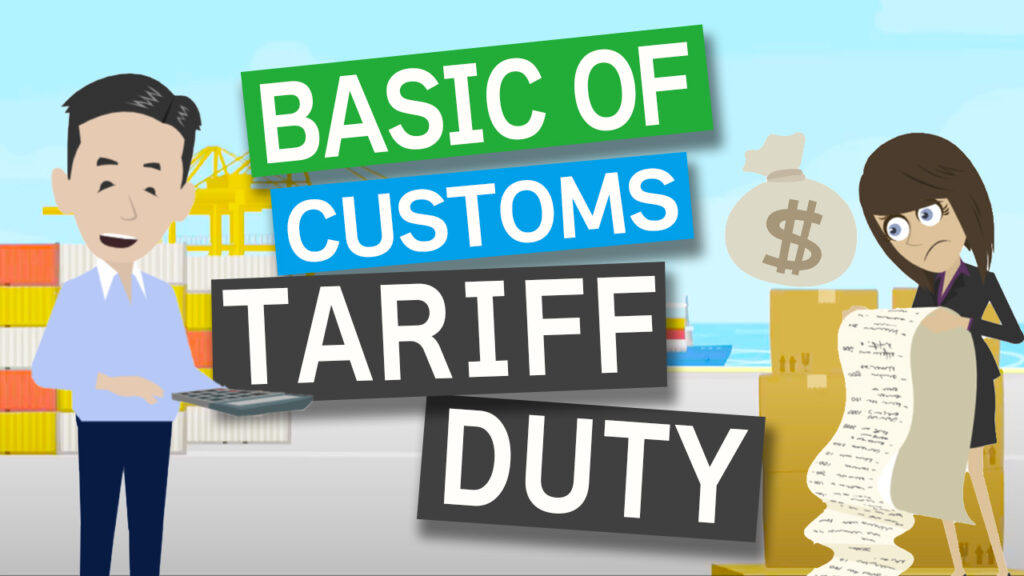
Beyond Borders: Customs & Tariffs – Navigating Trade Barriers
Tariff Rules Define Market Entry Costs
Non-Tariff Barriers Demand Strategic Planning
By Vishwas Kumar
New Delhi: May 10, 2026:
For Indian exporters, entering foreign markets is not just about finding buyers—it is about navigating the complex web of customs regulations and tariff structures. These rules determine the final cost of goods, influence competitiveness, and often decide whether a product succeeds or fails abroad. Understanding customs and tariff laws is therefore critical for global expansion.
Readers examining civil property disputes, succession conflicts, and ownership-related litigation may refer to the Karunanidhi vs Seetharama Naidu judgment for a better understanding of how courts interpret legal heir rights, documentary evidence, and competing claims in property and inheritance matters.
Why Customs & Tariffs Matter
Customs and tariff regulations directly impact profitability. They ensure:
- Compliance with import-export laws of the destination country.
- Accurate cost calculation for pricing strategies.
- Avoidance of penalties for misclassification or underreporting.
- Smooth clearance of goods at ports and borders.
Key Customs and Tariff Rules
1. Tariff Classifications (HS Codes)
- Goods are classified under the Harmonized System (HS) codes.
- Misclassification can lead to fines or delays.
- Exporters must ensure correct HS codes for each product.
2. India Trade Portal
- Provides detailed information on tariffs, duties, and non-tariff barriers.
- Helps exporters identify market access conditions before shipping.
3. Customs Duties
- Importing countries levy duties based on product type, origin, and value.
- Duties can be ad valorem (percentage of value) or specific (fixed amount per unit).
4. Non-Tariff Barriers (NTBs)
- Include quotas, licensing requirements, and product standards.
- Exporters must comply with technical regulations like safety, labelling, and packaging norms.
5. Trade Facilitation Measures
- Integration of customs with DGFT and RBI portals for faster clearance.
- Use of electronic filing systems to reduce paperwork.
- Participation in Authorized Economic Operator (AEO) programs for trusted exporters.
6. Rules of Origin
- Determine whether a product qualifies for preferential tariffs under trade agreements.
- Exporters must provide certificates of origin to claim benefits.
FAQs on Customs & Tariff Regulations
Q1. What are HS codes, and why are they important?
HS codes classify goods for customs purposes. Correct classification ensures accurate duty calculation and avoids penalties.
Q2. How can exporters check tariff rates for a specific country?
Through the India Trade Portal, which provides tariff and non-tariff data for multiple destinations.
Q3. What are non-tariff barriers?
NTBs are restrictions like quotas, licensing, and product standards that limit imports beyond tariffs.
Q4. How do customs duties affect pricing?
Duties increase the landed cost of goods. Exporters must factor them into pricing strategies to remain competitive.
Q5. What is the significance of Rules of Origin?
They determine whether goods qualify for preferential tariffs under trade agreements. Certificates of origin are required for compliance.
Q6. Can Indian exporters benefit from trade facilitation programs?
Yes. Programs like Authorised Economic Operator (AEO) provide faster clearance and reduced inspections for trusted exporters.
Q7. How do exporters avoid delays at customs?
By ensuring accurate documentation, correct HS codes, compliance with NTBs, and timely reporting through DGFT and customs portals.
Conclusion
Customs and tariff regulations are the gatekeepers of international trade. For Indian businesses, mastering HS codes, duties, and non-tariff barriers is essential to avoid costly delays and ensure smooth market entry. By leveraging tools like the India Trade Portal and participating in facilitation programs, exporters can transform challenges into opportunities, making their products globally competitive.