
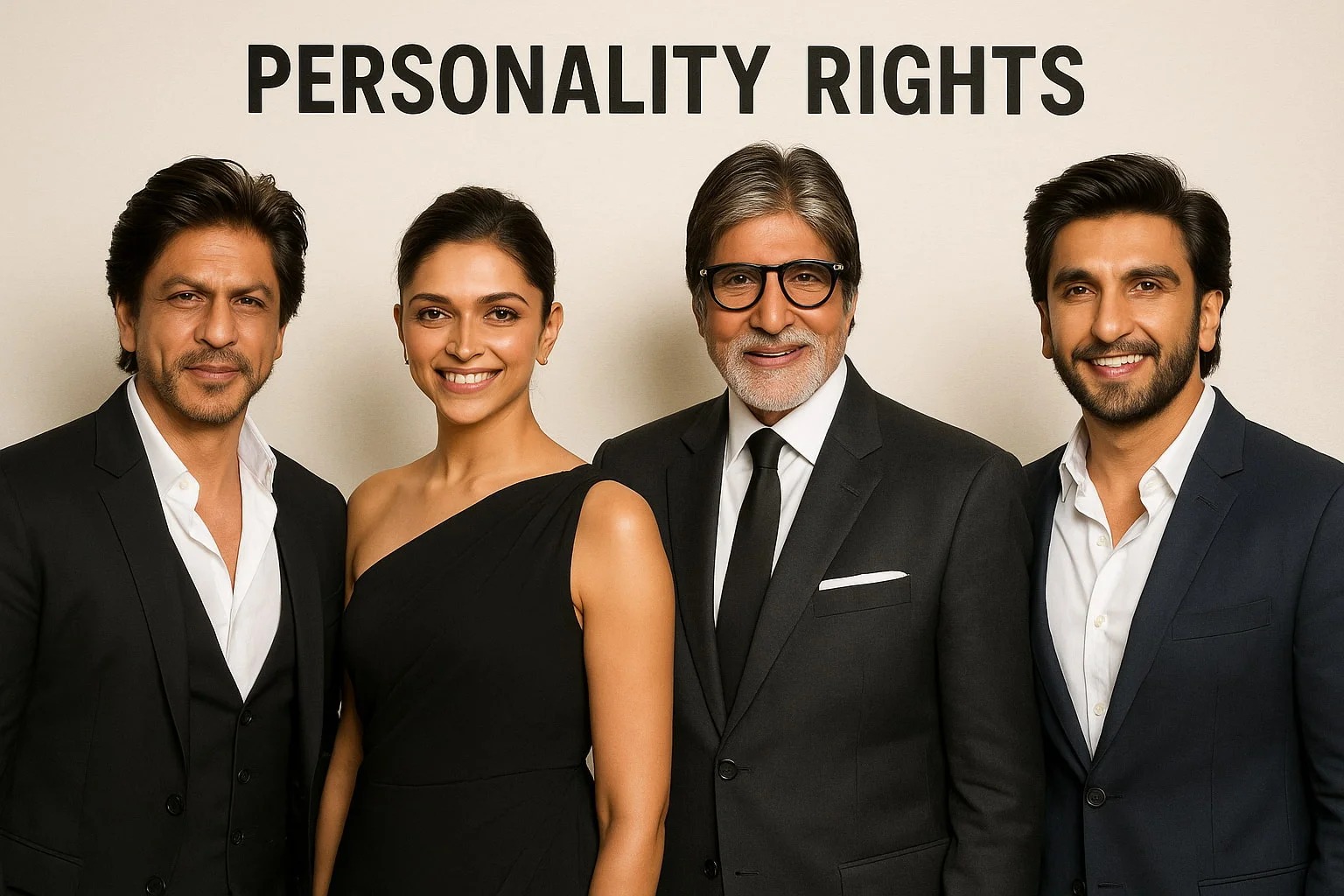
Celebrity Rights in India: Protecting Image, Identity, and Publicity in the Digital Age
From Bollywood Stardom to Brand Endorsements: The Legal Battle Over Persona
Global Comparisons and Ethical Questions in Celebrity Image Protection
By Vishwas Kumar
New Delhi: June 09, 2026:
India’s entertainment industry thrives on celebrity power, and nowhere is this more evident than in Bollywood, cricket, and the music sector. Celebrities in India are not merely performers; they are cultural icons and commercial brands whose images, voices, and personas carry immense economic and social value. Their influence extends far beyond the screen or stadium, shaping consumer behaviour, driving advertising campaigns, and anchoring merchandising strategies. A single endorsement by a star like Shah Rukh Khan or Virat Kohli can elevate a brand’s market presence overnight. This immense power, however, has also led to widespread misuse of celebrity likeness, triggering a growing demand for legal protection of publicity rights.
The misuse of celebrity identity manifests in several ways. Unauthorized endorsements, where a celebrity’s image is used without consent to promote products, are common in both offline and digital advertising. Fake social media accounts impersonating celebrities mislead fans and sometimes promote counterfeit goods. Unlicensed merchandising, such as dolls, T‑shirts, or posters bearing celebrity likenesses, dilutes brand value and deprives celebrities of rightful earnings. These practices not only harm the celebrities themselves but also mislead consumers, eroding trust in legitimate endorsements and damaging the credibility of the entertainment industry.
Indian law has gradually evolved to address these concerns. While there is no dedicated statute for publicity rights, courts have recognized them through landmark judgments. In Titan Industries v. Ramkumar Jewellers (2011), the Delhi High Court upheld Amitabh and Jaya Bachchan’s rights when their images were misused in advertising. Similarly, in DM Entertainment v. Baby Gift House (2010), the court protected singer Daler Mehndi’s persona against unauthorized dolls. These cases established that celebrities have a right to control the commercial use of their identity, laying the foundation for publicity rights in India. The ICC Development v. Arvee Enterprises (2003) case further reinforced this principle by protecting cricketers’ images from unauthorized exploitation.
The constitutional framework also supports celebrity rights. Article 21 of the Indian Constitution guarantees the right to privacy, which courts have extended to include protection of personal identity. Article 19(1)(a), which guarantees freedom of speech, must be balanced against misuse of celebrity persona, ensuring that artistic expression does not cross into commercial exploitation without consent. The Trademark Act, 1999, provides another avenue, allowing celebrities to register their names, signatures, and likenesses as trademarks, thereby securing legal protection against unauthorized commercial use.
Globally, India’s approach is still evolving. In the United States, publicity rights are well‑established, allowing celebrities to sue for unauthorized commercial use of their persona. The European Union integrates personality rights into privacy and data protection law, offering robust protection. India, by contrast, relies heavily on judicial precedents, leaving gaps in statutory enforcement. This creates uncertainty for celebrities and brands, especially in the digital age where misuse can spread rapidly across platforms.
The sociological impact of celebrity rights is significant. Celebrities influence public opinion and consumer choices, and misuse of their image can mislead audiences. Economically, unauthorized endorsements dilute brand value and cause financial losses to both celebrities and legitimate advertisers. Ethically, the debate centres on balancing free expression with protection of identity—parody and satire must be allowed, but commercial exploitation without consent undermines dignity and fairness.
As India’s entertainment industry continues to expand globally, the demand for codified publicity rights will only grow stronger. Celebrities are not just performers; they are cultural ambassadors and economic assets. Protecting their image and identity is therefore not only a matter of personal dignity but also of safeguarding the integrity of India’s creative economy. Judicial precedents have laid the groundwork, but legislative clarity is urgently needed to ensure that celebrity rights are respected and enforced in the digital age.
Legal Framework
- Copyright Act, 1957: Protects photographs, films, and recordings of celebrities.
- Trademark Act, 1999: Allows registration of names, signatures, and likenesses as trademarks.
- Constitutional Provisions:
- Article 21: Right to privacy, extended to protect personal identity.
- Article 19(1)(a): Freedom of speech, balanced against misuse of celebrity persona.
- Judicial Recognition: Courts have increasingly acknowledged publicity rights, even though India lacks a dedicated statute.
Landmark Judicial Precedents
- Titan Industries v. Ramkumar Jewellers (2011): Recognized Amitabh and Jaya Bachchan’s publicity rights when their images were misused in advertising.
- ICC Development v. Arvee Enterprises (2003): Delhi High Court held that unauthorized use of cricket players’ images violated their personality rights.
- DM Entertainment v. Baby Gift House (2010): Protected singer Daler Mehndi’s persona against unauthorized dolls bearing his likeness.
- Sholay Media v. Yogesh Patel (2001–2021): Extended protection to film titles and associated celebrity branding.
Comparative Perspectives
- United States: Publicity rights are well‑established, allowing celebrities to sue for unauthorized commercial use of their persona.
- European Union: Personality rights are protected under privacy and data protection laws.
- India: Judicial precedents recognize publicity rights, but statutory codification is still awaited.
Sociological, Economic & Ethical Impacts
- Sociological: Celebrities influence public opinion and consumer behaviour; misuse of their image can mislead audiences.
- Economic: Unauthorized endorsements dilute brand value and cause financial losses to both celebrities and legitimate advertisers.
- Ethical: Balancing free expression with protection of celebrity identity raises questions about artistic freedom and parody.
Case Studies
- Fake Endorsements on Social Media: Celebrities like Virat Kohli and Deepika Padukone have faced unauthorized use of their images in online ads.
- Merchandising Battles: Unauthorized sale of T‑shirts and dolls featuring celebrity likenesses has led to litigation.
- Film Title Protection: Iconic titles like Sholay and Dilwale Dulhania Le Jayenge have been defended against misuse.
Extended FAQ
- What are celebrity rights?
They are legal protections for a celebrity’s image, name, voice, and persona against unauthorized commercial use. - Are celebrity rights recognized in Indian law?
Yes, through judicial precedents, though there is no dedicated statute yet. - What is publicity rights?
The right of a person to control the commercial use of their identity. - Can a celebrity’s name be trademarked?
Yes, under the Trademark Act, celebrities can register their names and signatures. - What is the role of Article 21?
It protects privacy, extended to safeguard personal identity and publicity rights. - What is Titan Industries v. Ramkumar Jewellers?
A landmark case recognizing Amitabh and Jaya Bachchan’s publicity rights. - Can film titles be protected?
Yes, iconic titles can be trademarked and defended against misuse. - What is DM Entertainment v. Baby Gift House?
A case protecting singer Daler Mehndi’s persona against unauthorized dolls. - What is ICC Development v. Arvee Enterprises?
A case recognizing cricketers’ personality rights against unauthorized use. - Can celebrities sue for fake endorsements?
Yes, they can sue for damages and injunctions. - What is the difference between copyright and publicity rights?
Copyright protects creative works; publicity rights protect personal identity. - Can parody use celebrity images?
Yes, under fair dealing, but not for commercial exploitation. - What is passing off in celebrity rights?
Using a celebrity’s image to mislead consumers into believing endorsement. - Can a celebrity’s voice be protected?
Yes, distinctive voices can be protected under publicity rights. - What is the role of trademarks in celebrity rights?
Trademarks protect names, logos, and signatures associated with celebrities. - Can deceased celebrities’ rights be protected?
Yes, heirs can enforce publicity rights posthumously. - What is the economic impact of misuse?
It dilutes brand value and causes financial losses. - Can social media misuse be challenged?
Yes, courts can order takedowns of fake accounts and ads. - What is moral rights protection?
It ensures creators’ works are not distorted, relevant to celebrity images. - Can celebrities license their persona?
Yes, through endorsement contracts and merchandising deals. - What is the role of advertising law?
It prevents misleading ads using unauthorized celebrity images. - Can OTT platforms misuse celebrity images?
No, they must obtain licenses for promotional use. - What is the global perspective on publicity rights?
The US and EU have stronger statutory protections compared to India. - Can sports stars protect their persona?
Yes, cricketers and athletes can enforce publicity rights. - What is the ethical debate?
Balancing free speech with protection of celebrity identity. - Can fan clubs use celebrity images?
Yes, for non‑commercial purposes, but not for profit. - What is the penalty for misuse?
Courts can award damages and issue injunctions. - Can celebrities register their likeness?
Yes, through trademark and copyright mechanisms. - What is the role of collective management?
Societies can manage licensing of celebrity images in certain contexts. - Can unauthorized merchandise be banned?
Yes, courts can restrain sale of infringing goods. - What is the role of consumer protection law?
It prevents consumers from being misled by fake endorsements. - Can celebrities protect their digital avatars?
Yes, emerging law recognizes rights in virtual likenesses. - What is the role of privacy law?
It safeguards against unauthorized exploitation of personal identity. - Can celebrities sue globally?
Yes, through international treaties and cross‑border enforcement. - What is the role of WIPO?
It harmonizes global IP standards, relevant to celebrity rights. - Can memes use celebrity images?
Yes, under fair dealing, but not for commercial gain. - What is the role of contracts?
Contracts define scope of endorsements and protect celebrity rights. - Can celebrities protect their children’s images?
Yes, privacy rights extend to family members. - What is the future of celebrity rights?
Statutory codification and digital enforcement mechanisms are expected. - Can AI‑generated celebrity likeness be protected?
Yes, misuse of AI‑generated images can be challenged under publicity rights.
Op‑Ed Closing Vision
Celebrity rights in India are at a turning point. While courts have recognized publicity rights through landmark judgments, statutory codification remains absent. In an era of digital advertising, social media, and AI‑generated likenesses, the need for clear legal frameworks is urgent. Celebrities are not just individuals—they are cultural icons and economic assets whose images drive billion‑dollar industries. Protecting their persona is therefore not only a matter of individual dignity but also of economic stability.
Comparisons with the US and EU show India’s unique position. The US has robust publicity rights, allowing celebrities to sue for unauthorized commercial use. The EU integrates personality rights into privacy and data protection law. India, by contrast, relies on judicial precedents, leaving gaps in enforcement. The sociological dimension is critical: celebrities influence public opinion and consumer behaviour, and misuse of their image can mislead audiences. Economically, unauthorized endorsements dilute brand value and cause financial losses. Ethically, the debate centres on balancing free expression with protection of identity.
The way forward lies in codification, collaboration, and creativity. Codification of publicity rights into statute will provide clarity and consistency. Collaboration with global partners will harmonize standards and strengthen enforcement. Creativity in enforcement—using technology to detect misuse, blockchain to track licensing, and ADR to resolve disputes—will ensure efficiency. India’s entertainment industry, with its scale and diversity, has the opportunity to set global benchmarks in celebrity rights.
Celebrities are more than performers; they are symbols of culture, aspiration, and identity. Protecting their rights is therefore a cultural imperative. The challenge is immense, but so is the promise: to make India not just a hub of stardom, but also a beacon of balanced celebrity rights governance. Intellectual property is the scaffolding of creativity and commerce; without it, the edifice of India’s entertainment industry risks collapse. With it, India