
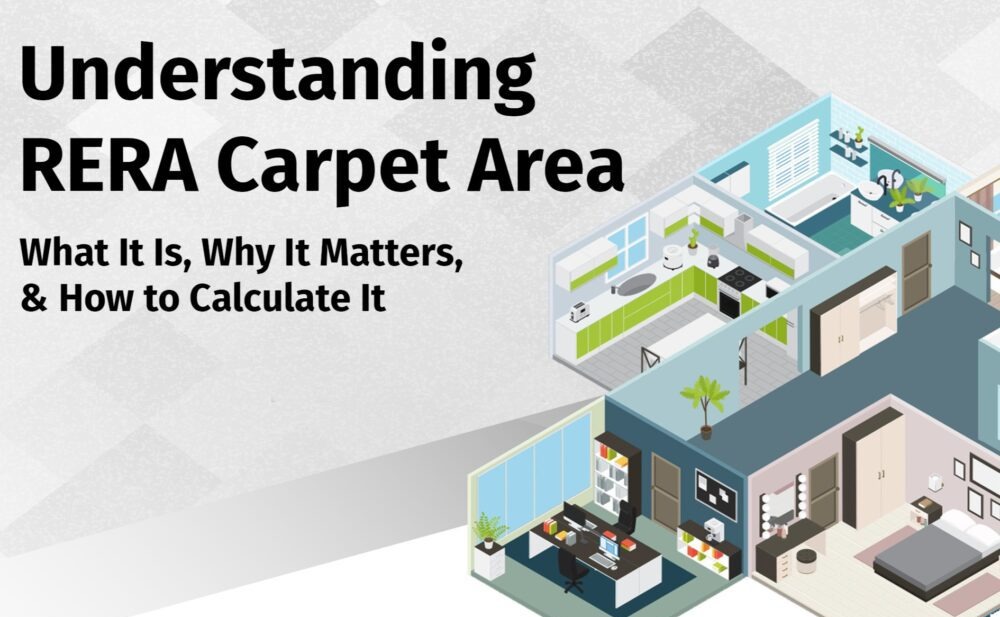
Carpet Area Rules Under RERA: Why Buyers Pay for Less Space
Clear Definition Ends Super Built-Up Confusion
Pricing Transparency & Buyer Rights Strengthened
By Vishwas Kumar
New Delhi: May 30, 2026:
Before the Real Estate (Regulation and Development) Act, 2016 (RERA), builders often sold flats based on super built-up area, which included common spaces like lobbies, lifts, and clubhouses. Buyers ended up paying for space they couldn’t use. RERA changed this by mandating that flats must be sold based on carpet area, ensuring transparency and fairness.
Key Legal Provisions
For a deeper understanding of land rights, rehabilitation policies, and the protection of long-settled communities, readers may explore Association of Old Settlers of Andaman and Nicobar Islands vs Union of India. In this significant judgment, the Supreme Court examined issues concerning the rights of settlers, environmental protection, government land policies, and the balance between sustainable development and the interests of local residents. The decision offers valuable insights into constitutional governance, administrative action, and the manner in which courts address competing claims involving public resources and community welfare. This case is frequently referred to in discussions relating to land administration, environmental law, and citizens' rights in ecologically sensitive regions.
```- Carpet Area Definition (RERA Section 2(k)):
- Net usable floor area of an apartment.
- Includes area covered by internal walls.
- Excludes balconies, verandahs, terraces, and external walls.
- Super Built-Up Area Ban:
- Builders cannot sell flats based on super built-up area.
- Pricing must be linked to carpet area only.
- Transparency in Agreements:
- Builder-buyer agreements must clearly mention carpet area.
- Any variation beyond 5% entitles buyers to refund or compensation.
- Impact on Pricing:
- Flats appear smaller when measured by carpet area.
- Buyers pay only for usable space, not inflated super built-up figures.
Impact on Buyers & Builders
- Buyers:
- Greater clarity on actual usable space.
- Protection against misleading advertisements.
- Legal remedy if carpet area differs from agreement.
- Builders:
- Must disclose carpet area upfront.
- Cannot inflate prices using super built-up calculations.
- Increased accountability under RERA authorities.
Comparison Table
| Aspect | Pre-RERA (Super Built-Up) | Post-RERA (Carpet Area) |
| Basis of Sale | Super built-up (includes common areas) | Carpet area (usable space only) |
| Transparency | Low | High |
| Buyer Protection | Weak | Strong |
| Legal Remedy | Limited | Refund/compensation if variation >5% |
| Pricing | Inflated | Fair, based on usable area |
Detailed FAQ
Q1. What is carpet area under RERA?
It is the net usable floor area of an apartment, including internal walls but excluding balconies, verandahs, and external walls.
Q2. Can builders still sell based on super built-up area?
No. RERA mandates sales based only on carpet area.
Q3. What if the carpet area delivered is less than promised?
If variation exceeds 5%, buyers can claim refund or compensation.
Q4. Does carpet area include balconies?
No, balconies and terraces are excluded.
Q5. How does this affect pricing?
Prices are now linked to actual usable space, making them more transparent.
Q6. Can builders advertise super built-up area?
They can mention it for information, but sale agreements must be based on carpet area.
Q7. What legal remedy do buyers have?
They can file a complaint with RERA authorities for compensation or refund.
Q8. Does this apply across India?
Yes, RERA is a central law, though implementation is through state RERA authorities.
Analytical Note
The carpet area rule under RERA is one of the most consumer-friendly reforms in Indian real estate. It eliminates inflated super built-up pricing and ensures buyers know exactly how much space they are paying for. While builders initially resisted, the law has brought transparency, accountability, and fairness to property transactions.
The takeaway: always check the carpet area in your agreement—it’s the only legally enforceable measure of your flat’s size.