
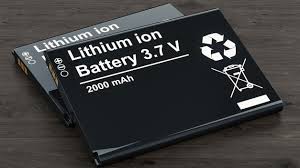
COURTKUTHEHRY SPECIAL ON #BUDGET2026 TAX EXEMPTION IMPACT ON LITHION ION BATTERY
Budget 2026: Tax Exemptions on Lithium-Ion Battery Manufacturing Extended, Comparative Duty Changes Highlight Clean Energy Push
Government Expands Customs Duty Relief for EV Supply Chain and Energy Storage Systems
Comparative Tax Changes Show Shift Toward Renewable Energy and Critical Minerals
By Our Legal Reporter
New Delhi: February 01, 2026:
Finance Minister Nirmala Sitharaman, in her Union Budget 2026 speech, announced the extension of basic customs duty exemptions on capital goods used for manufacturing lithium-ion cells for battery storage. This policy continuity is expected to strengthen India’s EV supply chain, reduce costs for manufacturers, and accelerate the country’s transition to clean mobility. The announcement comes at a time when India is scaling up investments in renewable energy and battery storage systems to meet its climate commitments.
Also Read: Karnataka High Court Orders Probe into Illegal Sand Mining, Political Links Under Scrutiny
(UNMISSIABLE BOOK OFFER)
📘 If you want practical guidance on drafting wills, codicils, and probate procedures, Will Writing Simplified is an invaluable resource. Purchase from link below:
🔹 Buy on Amazon
🔹 Buy on Flipkart

Key Announcements in Budget 2026
- Lithium-Ion Cells: Customs duty exemption on capital goods used for manufacturing extended to cover battery energy storage systems.
- Raw Materials Relief: Imports of lithium oxide, hydroxide, and carbonates now attract zero duty, compared to the earlier 7.5% levy.
- Solar Glass Manufacturing: Exemption on imports of sodium antimonate for use in solar glass production.
- Critical Minerals Processing: Duty exemptions extended to capital goods required for processing critical minerals domestically.
- Biogas Blended CNG: Entire value of biogas excluded while calculating excise duty on blended CNG, encouraging green fuel adoption.
Comparative Tax Changes – Past vs Present
|
Category |
Earlier Duty (Pre-2026) |
Budget 2026 Duty |
Impact |
|
Lithium-ion raw materials (oxide, hydroxide, carbonates) |
7.5% |
0% |
Major cost reduction for EV battery makers |
|
Capital goods for lithium-ion cell manufacturing |
Exempt (since 2023) |
Exemption extended |
Policy continuity, boosts domestic production |
|
Capital goods for battery energy storage systems |
7.5% |
0% |
Encourages large-scale storage projects |
|
Sodium antimonate (solar glass) |
7.5% |
0% |
Supports solar panel manufacturing |
|
Biogas blended CNG excise |
Taxed on full value |
Biogas value excluded |
Promotes green fuel adoption |
Why These Changes Matter
- EV Ecosystem Boost: Lower costs for battery makers will accelerate EV adoption in India.
- Energy Security: Encouraging domestic processing of critical minerals reduces dependence on imports.
- Climate Commitments: Tax relief supports India’s pledge to achieve net-zero emissions by 2070.
- Industry Confidence: Policy continuity reassures automakers and investors scaling up EV production.
Expert Reactions
- Automakers: Welcomed the exemptions, saying they will reduce EV costs and improve competitiveness.
- Renewable Energy Firms: Applauded the support for solar glass and biogas, noting it aligns with India’s clean energy goals.
- Economists: Highlighted that while exemptions reduce government revenue, they are strategic investments in long-term sustainability.
Broader Context
India’s EV market is projected to grow rapidly, with demand for lithium-ion batteries expected to surge. By extending duty exemptions, the government is ensuring that domestic manufacturers can compete globally. The focus on critical minerals also reflects a strategic shift, as India seeks to secure supply chains for clean energy technologies.
Conclusion
Also Read: Supreme Court Restores Compensation Award for Innocent Landowner in Railway Project Case
Union Budget 2026 has reinforced India’s commitment to clean energy by extending tax exemptions for lithium-ion battery manufacturing and related sectors. Comparative duty changes show a clear policy direction: reduce costs for renewable energy, encourage domestic production, and accelerate EV adoption. This landmark move positions India as a stronger player in the global clean mobility and energy storage market.
Keywords for Faster Searches
- Budget 2026 lithium-ion battery tax exemption
- Union Budget 2026 EV supply chain India
- Customs duty changes battery manufacturing 2026
- Renewable energy tax relief India Budget 2026
- Critical minerals processing duty exemption
- Biogas blended CNG excise duty Budget 2026
- Solar glass manufacturing tax exemption India
- EV adoption India Budget 2026
Also Read: Bombay High Court: Adopted Child Entitled to Adoptive Parents’ Caste Certificate