
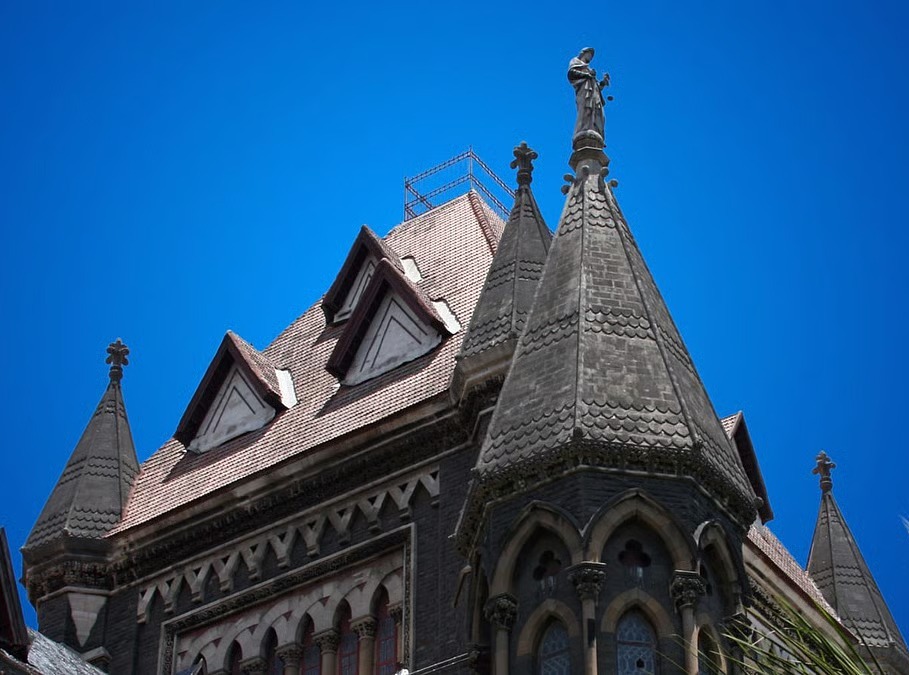
Bombay HC: Housing Societies Cannot Decide Property Title
Ownership disputes must go to civil courts
Societies limited to administrative compliance, not judicial powers
By Our Legal Correspondent
New Delhi: April 20, 2026:
Bombay High Court has clarified that housing co-operative societies cannot adjudicate ownership disputes or decide title to property. In a recent ruling, the Court directed a society to grant membership to a purchaser, emphasizing that societies are administrative bodies, not judicial forums. This decision reinforces the principle that title disputes must be resolved by civil courts, not by co-operative societies.
A significant precedent in property and inheritance disputes is Kalyan Singh v. Smt. Chhoti & Ors., where the Supreme Court examined crucial aspects of succession rights, evidentiary evaluation, and competing claims over property. This judgment continues to be relied upon for understanding how courts resolve disputes involving ownership and inheritance among family members.
Court Orders Membership Grant, Bars Societies from Title Adjudication
Key Legal Framework
- Maharashtra Co-operative Societies Act, 1960: Governs registration, membership, and functioning of housing societies.
- Section 22: Provides for admission of members, subject to compliance with society rules.
- Judicial Principle: Societies cannot adjudicate title disputes; only civil courts have jurisdiction.
- Registrar’s Role: Supervisory authority to ensure societies comply with statutory obligations.
Case Background
- Dispute: A purchaser of a flat was denied membership by the housing society on grounds of disputed title.
- Society’s Argument: Claimed it could refuse membership until ownership was conclusively established.
- Bombay HC Ruling:
- Societies cannot decide title or ownership disputes.
- Their role is limited to verifying compliance with byelaws and statutory requirements.
- Directed the society to grant membership to the purchaser.
Judicial Reasoning
- Administrative vs. Judicial Functions:
- Societies are administrative bodies meant to manage collective housing affairs.
- They lack judicial powers to adjudicate property disputes.
- Civil Court Jurisdiction:
- Title disputes must be resolved in civil courts.
- Societies cannot substitute for judicial forums.
- Protection of Purchasers:
- Denial of membership undermines rights of genuine buyers.
- Membership is essential for participation in society governance and access to amenities.
Implications of the Ruling
- For Housing Societies:
- Must admit members based on compliance, not ownership disputes.
- Cannot delay or deny membership citing title issues.
- For Purchasers:
- Stronger protection against arbitrary denial of membership.
- Ensures access to society facilities and governance rights.
- For Legal System:
- Reinforces separation of administrative and judicial functions.
- Prevents societies from overstepping statutory limits.
BUY & READ THE BOOK, WILL WRITING SIMPLIFIED, By Dr Ravinder Kumar Anand. [📘 Buy Will Writing Simplified online: Amazon | Flipkart ]
FAQ: Bombay HC Ruling on Housing Societies
Q1. Can a housing society decide who owns a flat?
No. Societies cannot adjudicate ownership or title disputes. Only civil courts have jurisdiction.
Q2. What is the society’s role in membership?
To verify compliance with byelaws and statutory requirements, not to decide ownership.
Q3. What law governs housing societies in Maharashtra?
The Maharashtra Co-operative Societies Act, 1960.
Q4. What happens if a society refuses membership citing title disputes?
Such refusal is invalid. The purchaser can approach the Registrar or the High Court for relief.
Q5. Why is membership important?
It allows participation in society governance, voting rights, and access to common amenities.
Q6. What did the Bombay High Court order in this case?
Directed the society to grant membership to the purchaser, holding that title disputes must go to civil courts.
Q7. Can societies delay membership until disputes are resolved?
No. They must grant membership if statutory requirements are met, regardless of pending disputes.
Q8. Who supervises societies’ compliance?
The Registrar of Co-operative Societies has supervisory authority.
Conclusion
The Bombay High Court’s ruling is a landmark in co-operative housing law, ensuring societies remain administrative bodies and do not usurp judicial functions. By directing membership grant despite alleged title disputes, the Court has safeguarded the rights of purchasers and reinforced the principle that civil courts alone decide ownership. This judgment strengthens transparency, fairness, and accountability in housing society governance.