
Brother Cannot Claim Hindu Woman’s Estate Over Husband’s Heirs: Bombay HC
Court upholds validity of Section 15(1) of Hindu Succession Act
Statutory scheme prioritizes husband’s heirs in succession disputes
By Our Legal Correspondent
New Delhi: April 25, 2026:
The Bombay High Court has reaffirmed that Section 15(1) of the Hindu Succession Act, 1956 remains constitutional and binding, meaning that the property of a deceased Hindu woman devolves first upon her husband’s heirs rather than her natal family. This ruling clarifies succession disputes and emphasizes that unless the Supreme Court or a larger bench declares otherwise, the statutory scheme must be followed.
To understand how courts interpret wills and resolve inheritance disputes, read the detailed judgment analysis of Lilian Coelho & Ors vs Myra Philomena Coalho , highlighting key legal principles on testamentary intent, succession, and evidentiary standards in civil cases.
Background of the Case
The Bombay High Court, presided over by Justice Firdosh P. Pooniwalla, dealt with a dispute where the brother of a deceased Hindu woman claimed rights over her estate. The contention was that Section 15(1) of the Hindu Succession Act was unconstitutional and discriminatory, as it prioritized the husband’s heirs over the woman’s natal family.
The Court rejected this argument, holding that Section 15(1) has not been declared unconstitutional by any Division Bench or the Supreme Court and therefore continues to govern succession to the property of Hindu women.
Key Legal Provisions
- Section 15(1), Hindu Succession Act, 1956
- Provides the general rules of succession for property of a female Hindu.
- Property devolves first upon her sons, daughters, and husband.
- If none exist, it devolves upon the heirs of the husband.
- Section 15(2)
- Creates exceptions for property inherited from parents or husband, ensuring it reverts to the source family line.
- Constitutional Challenge
- Petitioners argued Section 15(1) discriminates against women by prioritizing husband’s heirs.
- The Court held that unless struck down by a higher court, the provision remains valid.
Court’s Analysis
- Statutory Scheme: The Court emphasized that succession laws are statutory and must be applied as written unless invalidated by constitutional courts.
- Burden of Proof: The brother failed to establish that Section 15(1) was unconstitutional.
- Judicial Discipline: High Courts cannot disregard statutory provisions unless a higher authority has invalidated them.
Implications
- Clarity in Succession: Confirms that husband’s heirs take precedence over the woman’s natal family in general succession.
- Gender Debate: While criticized as patriarchal, the provision remains binding until legislative or constitutional change.
- Practical Effect: Brothers or natal relatives cannot claim property unless exceptions under Section 15(2) apply.
[RESEARCH RESOURCES]
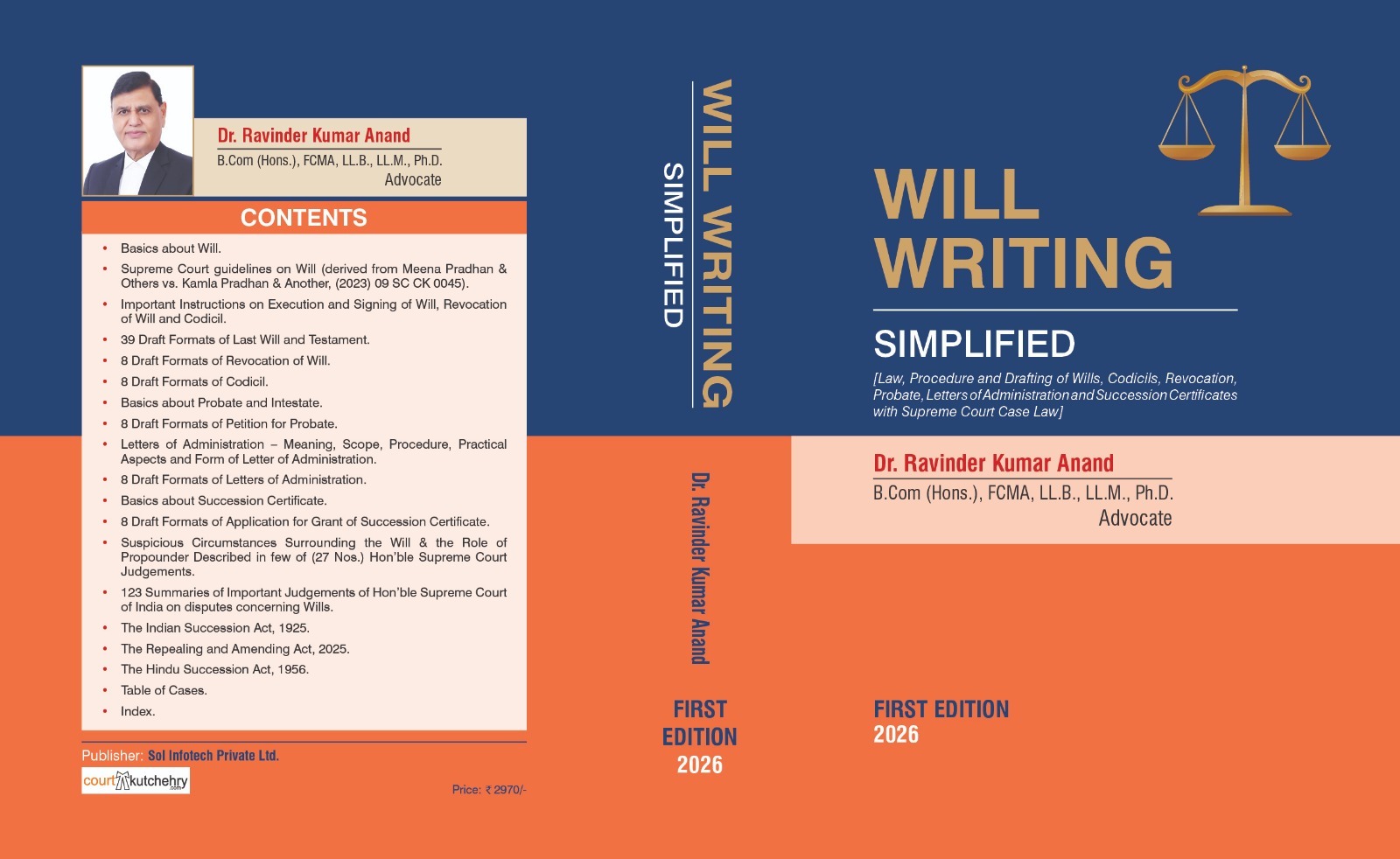
BUY & READ THE BOOK, WILL WRITING SIMPLIFIED, By Dr Ravinder Kumar Anand. [📘 Buy Will Writing Simplified online: Amazon | Flipkart ]
FAQ: Key Legal Points
Q1. What does Section 15(1) of the Hindu Succession Act say?
It provides that the property of a Hindu female devolves first upon her children and husband, and if none exist, upon the heirs of the husband.
Q2. Can the brother of a deceased Hindu woman claim her property?
Not under Section 15(1), unless exceptions in Section 15(2) apply (e.g., property inherited from parents).
Q3. Has Section 15(1) been declared unconstitutional?
No. The Bombay High Court confirmed it remains valid and binding.
Q4. What is the difference between Section 15(1) and 15(2)?
- 15(1): General rule, prioritizes husband’s heirs.
- 15(2): Exceptions, property inherited from parents reverts to natal family.
Q5. Why is Section 15(1) criticized?
Because it prioritizes husband’s heirs over natal family, which some argue is patriarchal.
Q6. Who can change or strike down Section 15(1)?
Only the Supreme Court or Parliament can invalidate or amend the provision.
Context for Citations
- Case Title: Unnamed dispute involving succession of Hindu woman’s estate
- Court: Bombay High Court
- Bench: Justice Firdosh P. Pooniwalla
- Date: April 24, 2026
- Law Referenced: Section 15(1) & 15(2), Hindu Succession Act, 1956
- Key Finding: Brother cannot claim estate over husband’s heirs; Section 15(1) remains constitutional.
This ruling reinforces judicial discipline: succession laws must be applied as written unless invalidated by higher courts, ensuring predictability in inheritance disputes while leaving scope for future constitutional review.