
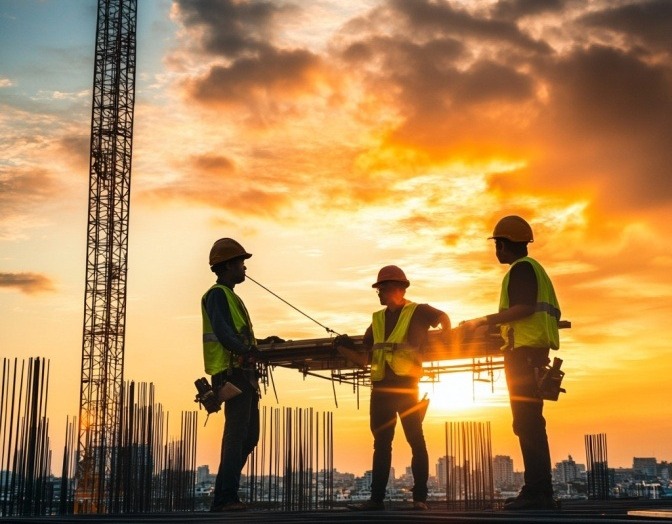
Mega Projects, Mega Disputes: Arbitration in Infrastructure and Energy
Why enforcement delays can stall billion‑dollar ambitions
Arbitration as the backbone of India’s growth sectors
By Vishwas Kumar
New Delhi: June 01, 2026
India’s infrastructure and energy sectors are the engines of its economic growth. From highways and airports to power plants and renewable energy projects, these mega projects involve complex contracts, cross‑border financing, and multinational stakeholders. Disputes are inevitable, and arbitration has become the preferred mechanism for resolution. Yet, enforcement delays or regulatory hurdles can stall billion‑dollar projects, affecting not just investors but entire communities.
Often described as the heart of the Indian Constitution, Article 21 has evolved far beyond its original text to protect a wide range of rights including privacy, dignity, education, health, livelihood, and access to justice. Through a series of landmark Supreme Court decisions, this provision has become a powerful shield against arbitrary state action. Readers can explore the constitutional significance and judicial evolution of Article 21 in Constitution of India to understand how the right to life and personal liberty continues to shape modern Indian jurisprudence.
Arbitration in Infrastructure and Energy: India’s Growth Test
India’s economic ambitions are built on steel, concrete, and power grids. Highways, airports, metro systems, oil refineries, and renewable energy projects form the backbone of its growth story. These mega projects are not just engineering marvels—they are complex legal and financial ecosystems involving multinational corporations, sovereign guarantees, and billions of dollars in investment. Where such scale exists, disputes are inevitable. Arbitration has emerged as the preferred mechanism to resolve them, but enforcement delays and regulatory hurdles often stall progress, threatening India’s credibility as a global investment destination.
The Stakes of Mega Projects
Infrastructure and energy projects are high‑value, high‑risk ventures. A single dispute can derail timelines, inflate costs, and jeopardize livelihoods. Arbitration offers a neutral, efficient forum for resolution, but its effectiveness depends on enforcement. If arbitral awards are delayed or challenged excessively, projects stall, investors retreat, and communities suffer.
India’s Arbitration and Conciliation Act, 1996 provides the statutory framework, while Public‑Private Partnership (PPP) contracts and sector‑specific regulations embed arbitration clauses. Yet, enforcement remains inconsistent, undermining the promise of swift resolution.
Judicial Evolution
Indian courts have played a pivotal role in shaping arbitration in infrastructure and energy:
- Ssangyong Engineering v. NHAI (2019): Supreme Court emphasized fairness in PPP contracts and narrowed public policy review.
- Reliance arbitration cases: Highlighted tensions between private investors and state regulators in energy contracts.
- Cairn Energy arbitration: Investor‑state dispute over taxation underscored enforcement challenges.
These precedents show progress but also reveal the fragility of India’s enforcement regime.
Global Comparisons
- ICSID (International Centre for Settlement of Investment Disputes): Provides enforceable awards in global energy disputes.
- ICC (International Chamber of Commerce): Specializes in infrastructure arbitration with global credibility.
- Singapore (SIAC): Minimal judicial interference makes it Asia’s arbitration hub.
- India: Progressing, but enforcement delays and regulatory hurdles undermine investor confidence.
Sociological Dimensions
Infrastructure and energy projects are not abstract—they directly affect communities. A stalled highway delays connectivity, a stalled power plant disrupts electricity supply, and a stalled renewable project undermines climate goals. Arbitration delays translate into social costs, eroding trust in governance and justice.
Economic Stakes
Delays in arbitration enforcement led to cost overruns, deter investors, and slow growth. Banks hesitate to finance projects with unresolved disputes. Capital markets lose confidence in infrastructure bonds. Foreign investors reconsider commitments. Arbitration enforcement is thus not just a legal issue—it is an economic imperative.
Ethical Considerations
Public contracts involve taxpayer money and sovereign guarantees. Arbitration must balance fairness to investors with accountability to citizens. Excessive delays or misuse of objections undermine integrity. Ethical arbitration ensures transparency, fairness, and predictability in public contracts.
Case Narratives
- Ssangyong v. NHAI: Reinforced fairness in PPP contracts, protecting investors while respecting public interest.
- Reliance vs Government disputes: Highlighted complexities in energy contracts and regulatory oversight.
- Cairn Energy arbitration: Investor‑state dispute underscored enforcement challenges in taxation and energy.
These cases humanize the issue, showing how arbitration affects real projects, investors, and communities.
Setting the Stage
India’s infrastructure and energy ambitions are vast, but disputes are inevitable. Arbitration provides a mechanism for swift resolution, yet enforcement delays undermine credibility. Comparative jurisdictions show the way—ICSID, ICC, and SIAC provide specialized arbitration with enforceable awards. India must emulate these practices, embedding predictability into its regime.
This introduction frames arbitration in infrastructure and energy as a multidimensional issue—legal, economic, sociological, and ethical. The expanded draft explores statutory provisions, judicial precedents, comparative perspectives, and reform proposals. The extended FAQ provides clarity, while the op‑ed closing vision reflects on India’s path forward.
India’s challenge is clear: streamline enforcement, align with global best practices, and guarantee fairness in public contracts. The stakes are not just legal—they are developmental. Arbitration in infrastructure and energy is, in essence, a test of India’s ability to deliver growth with justice.
Key Legal Provisions
- Arbitration and Conciliation Act, 1996: Governs dispute resolution in infrastructure and energy contracts.
- Public‑Private Partnership (PPP) frameworks: Often include arbitration clauses for dispute resolution.
- Sector‑specific regulations: Power, oil & gas, and renewable energy contracts have unique arbitration provisions.
Judicial Precedents
- Ssangyong Engineering v. NHAI (2019): Supreme Court emphasized fairness in PPP contracts and narrowed public policy review.
- Reliance arbitration cases: Highlighted tensions between private investors and state regulators in energy contracts.
- Cairn Energy arbitration: Investor‑state dispute over taxation underscored enforcement challenges.
Comparative Perspectives
- ICSID (International Centre for Settlement of Investment Disputes): Handles global energy disputes with enforceable awards.
- ICC (International Chamber of Commerce): Provides specialized arbitration for infrastructure contracts.
- Singapore: SIAC is a hub for infrastructure and energy arbitration in Asia.
- India: Progressing but enforcement delays undermine credibility.
Sociological, Economic, and Ethical Impacts
- Sociological: Communities suffer when infrastructure projects stall due to disputes.
- Economic: Delays lead to cost overruns, deter investors, and slow growth.
- Ethical: Fairness in public contracts requires balancing state interests with investor rights.
Case Narratives
- Ssangyong v. NHAI: Supreme Court upheld fairness in PPP contracts, reinforcing arbitration’s role.
- Reliance vs Government disputes: Highlighted complexities in energy contracts and regulatory oversight.
- Cairn Energy arbitration: Investor‑state dispute underscored enforcement challenges in taxation and energy.
Extended FAQ (40 Questions)
1. Why is arbitration important in infrastructure projects?
It provides swift resolution, preventing delays in billion‑dollar projects.
2. Why is arbitration important in energy projects?
It ensures fairness in complex contracts involving multinational stakeholders.
3. What is the Arbitration Act’s role?
It governs dispute resolution in infrastructure and energy contracts.
4. What are PPP frameworks?
Public‑Private Partnerships often include arbitration clauses for disputes.
5. What did Ssangyong v. NHAI decide?
It emphasized fairness and narrowed public policy review in PPP contracts.
6. What are Reliance arbitration cases?
They highlight tensions between private investors and state regulators in energy contracts.
7. What is Cairn Energy arbitration?
An investor‑state dispute over taxation and enforcement in energy.
8. How does ICSID handle disputes?
It provides enforceable awards in global energy disputes.
9. How does ICC handle disputes?
It specializes in infrastructure arbitration with global credibility.
10. How does Singapore handle disputes?
SIAC is a hub for infrastructure and energy arbitration in Asia.
11. How does India compare globally?
India is improving but enforcement delays undermine credibility.
12. How do disputes affect communities?
Stalled projects delay benefits like roads, power, and jobs.
13. How do disputes affect investors?
Delays deter investment and increase costs.
14. How do disputes affect governments?
They complicate regulatory oversight and public contract management.
15. How do disputes affect SMEs?
SMEs in supply chains suffer when projects stall.
16. How do disputes affect banks?
Banks face uncertainty in financing stalled projects.
17. How do disputes affect capital markets?
Uncertainty undermines confidence in infrastructure bonds.
18. How do disputes affect employees?
Stalled projects jeopardize jobs and wages.
19. How do disputes affect creditors?
Delays undermine recovery and deter lending.
20. What is the ethical dimension of disputes?
Fairness requires balancing state interests with investor rights.
21. Can courts review merits of awards?
No, they can only intervene on limited statutory grounds.
22. What is the role of commercial courts?
They expedite arbitration enforcement in high‑value disputes.
23. How do disputes affect global commerce?
Delays undermine trust and investment flows.
24. How do disputes affect India’s global image?
Strong enforcement enhances credibility as an arbitration hub.
25. How do disputes affect FDI inflows?
Predictability attracts investors; uncertainty deters them.
26. How do disputes affect SMEs abroad?
Foreign SMEs face uncertainty in recovering claims.
27. How do disputes affect multinational corporations?
They demand predictability in cross‑border dispute resolution.
28. How do disputes affect ethics in arbitration?
It prevents misuse of objections and ensures fairness.
29. How do disputes affect India’s economic growth?
Strong enforcement boosts investment, infrastructure, and energy.
30. How do disputes affect sovereign powers?
They balance investor protection with national interests.
31. How do disputes affect taxation?
They raise tensions between sovereign taxation and investor rights.
32. How do disputes affect UNCITRAL principles?
Delays undermine harmonization with global norms.
33. How do disputes affect BITs?
They complicate enforcement of investor‑state awards.
34. How do disputes affect judicial backlog?
Arbitration reduces litigation, easing court caseloads.
35. How do disputes affect ethics in business?
Fair enforcement ensures integrity in global transactions.
36. How do disputes affect infrastructure financing?
Delays deter banks and investors from funding projects.
37. How do disputes affect renewable energy?
Uncertainty undermines confidence in green investments.
38. How do disputes affect oil & gas?
Complex contracts require predictable arbitration enforcement.
39. How do disputes affect power projects?
Delays stall electricity supply, affecting communities.
40. What is India’s future in infrastructure arbitration?
Adoption of global best practices will align India with arbitration hubs.
Op‑Ed Closing Vision
India’s infrastructure and energy ambitions are vast, but disputes are inevitable. Arbitration provides a mechanism for swift resolution, yet enforcement delays undermine credibility. The Ssangyong case emphasized fairness in PPP contracts, while Reliance disputes highlighted tensions in energy regulation. The Cairn Energy arbitration underscored enforcement challenges in taxation.
Comparative jurisdictions show the way. ICSID and ICC provide specialized arbitration with enforceable awards. Singapore’s SIAC thrives due to minimal judicial interference. India must emulate these practices, embedding predictability into its regime.
Economically, reform is vital. Infrastructure and energy projects depend on predictable dispute resolution. Sociologically, communities suffer when projects stall. Ethically, fairness demands balancing state interests with investor rights.
The vision for India’s future is clear: discipline, predictability, and global integration. Reforming enforcement, training regulators, and aligning with global norms are essential. If India sustains this trajectory, arbitration will evolve into a cornerstone of its growth story.
Ultimately, arbitration in infrastructure and energy is not just about contracts—it is about development. If India can guarantee swift, predictable enforcement, it will attract investment, reduce disputes, and elevate its global standing. If not, disputes risk stalling the very projects that drive India’s growth. The choice is stark: embrace global best practices or risk undermining billion‑dollar ambitions.